


For centuries, tales of buried treasure have gripped the imagination of adventurers, historians, and treasure hunters alike. Among the most well-told legends are those rooted in the California landscapes that were traversed by stagecoaches, gold rush miners, and outlaws.
This collection of Golden State lore, whether woven from truth or tall tale, is stitched into the folklore of the West. They’re born from a time when lawlessness was as abundant as the lost gold in the following infamous tales of buried loot.
The Butterfield State Route Treasure
During the mid-1800s, the Butterfield Overland Mail Route served as a crucial link between the East and West Coasts. According to legend, sometime in the 1860s, a strongbox filled with $60,000 worth of gold coins—intended for banks or military payroll—was buried along this historic route. The treasure was supposedly hidden during an ambush or in haste to avoid theft, and never recovered.
Treasure seekers have focused their efforts on the stretch between Carrizo and Vallecitos in southeastern California. These barren desert expanses offer little in the way of shelter or landmarks, making any buried cache exceedingly difficult to locate. Nonetheless, reports of metallic hits on metal detectors and strange rock arrangements continue to fuel rumors that the treasure still lies hidden beneath the sands.
The Borrego Valley Treasure
Another gold-laden mystery lies buried in Borrego Valley, northeast of Carrizozo. Sometime during the mid-19th century, a wagon carrying a significant quantity of gold nuggets, likely from a mine in Arizona or New Mexico, was ambushed by Native American warriors. The wagon’s occupants are said to have buried the treasure before fleeing or being killed.
What adds to the allure is that multiple expeditions in the 20th century have reportedly uncovered wagon wheels, rusted tools, and old campsite remains in the valley. Despite this, the gold itself has never surfaced.
Modern-day treasure hunters continue to scour the arid scrublands with ground-penetrating radar and GPS mapping in hopes of uncovering this elusive prize.
The Bullion Bend Robbery
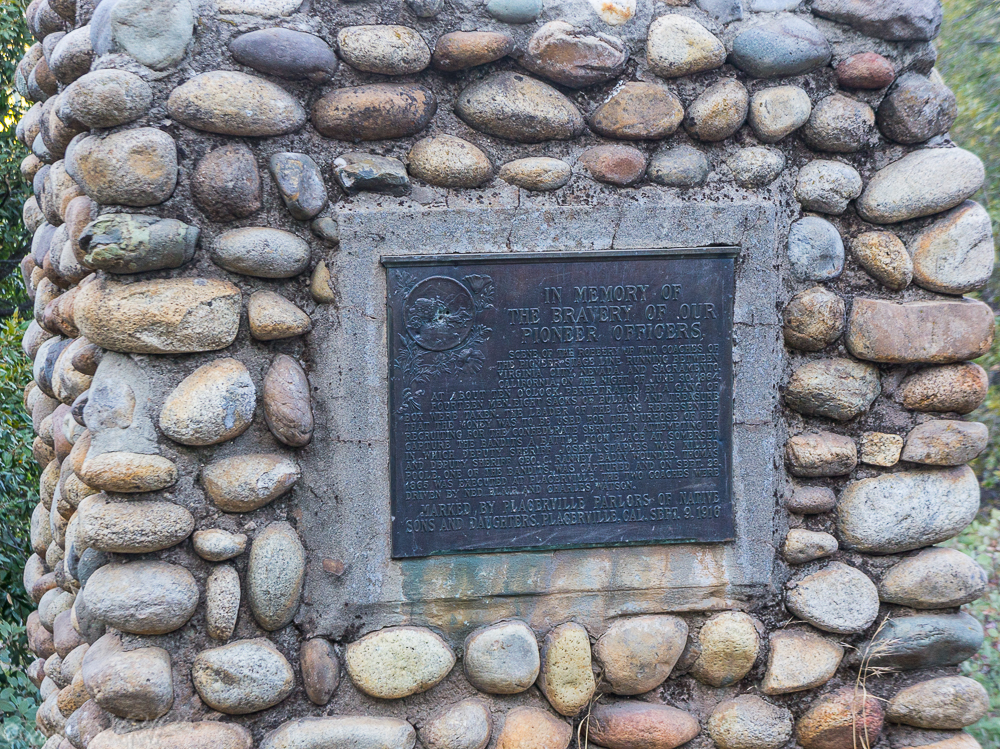
One of California’s most daring and dramatic gold heists occurred during the waning days of the Civil War in what became known as the Bullion Bend Robbery.
On June 30, 1864, a group of Confederate sympathizers ambushed two Wells Fargo stagecoaches near Placerville, California, in El Dorado County. Their goal was to intercept Union gold shipments to fund the Confederate cause.
The group set up a roadblock on the road to Bullion Bend—a remote stretch between Placerville and Virginia City, Nevada. Near modern-day Pollock Pines.
As the first coach approached, the robbers held it up, confiscating the gold and mail. A second coach soon followed and was also robbed. In total, the bandits made off with an estimated $40,000 in gold bullion and coin—a staggering sum at the time.
The boldness of the robbery prompted an immediate and forceful response. Wells Fargo detectives, lawmen, and even military units joined in the manhunt. Days later, the robbers were tracked to a cabin near Somerset.
A violent shootout ensued, during which El Dorado County Deputy Sheriff Joseph Staples was killed. Several of the outlaws were captured or killed, and some of the stolen gold was recovered—though not all. Legend has it that most of the gold was buried and remains somewhere in the hills of El Dorado County.
The Oak Grove Treasure near Rincon
In 1853, a group of outlaws targeted a Wells Fargo stagecoach believed to be transporting gold bullion worth approximately $30,000. The attack occurred near Rincon, California, at a remote point east of the old stage station. Fearing pursuit, the bandits are believed to have buried their loot in an oak grove southeast of where the San Gabriel Rivers intersect.
What makes this California legend of lost treasure particularly compelling is the specificity of its location. Several versions of the story describe identifiable landmarks such as a split-trunk oak or a peculiar stone formation. Despite dozens of attempts over the decades—including by locals who grew up hearing the story—the gold remains hidden.
The Willow Creek Post Office Robbery Cache
The 1928 robbery of the Willow Creek Post Office near Eureka, California, marked one of the more modern treasure legends of the West. Thieves made off with $28,000 in gold coins, possibly from a payroll delivery. The perpetrators were never apprehended, but several witnesses claimed to have seen suspicious individuals riding toward New River Canyon.
Local lore claims that the robbers buried the coins near the mouth of the canyon, hoping to return once the heat died down. However, a flash flood or rockslide may have obscured the exact location forever. Metal detectors and local legends continue to attract treasure hunters to the rugged trails and gulches around Willow Creek.
The Hall City Cave Gold (Hayfork)
Located near Hayfork, California, Hall City Cave is the site of one of the more grisly treasure legends. In the late 1800s, two miners reportedly struck gold and were heading to town to cash in their nuggets. However, they were ambushed and murdered near the entrance of Hall City Cave. The killers allegedly dumped the gold into a deep, water-filled shaft within the cave to avoid being caught with it.
What gives this story a modern twist is the use of underwater remotely operated vehicles (ROVs) in recent years. Explorers have tried to peer into the cave’s depths using sonar and lights, but the passage narrows sharply, making navigation difficult. Despite the lack of historical newspaper accounts, many believe the tale stems from real events distorted by time and retelling.
Sources:
- Carlson, H. S. (1985). Treasure Tales of the West. Mountain Press Publishing.
- Kelsey, H. (1999). Gold Rush: The Young Prospectors’ Guide to Lost Mines and Buried Treasure. Falcon Publishing.
- Latham, E. (1977). Ghost Towns and Mining Camps of California. University of California Press.
- McKenna, B. (2003). California’s Lost Mines and Buried Treasures. Arcadia Publishing.
- Silva, A. J. (2009). Legends of the Lost Gold: California’s Forgotten Fortunes. Western Heritage Press.
- U.S. Forest Service. (n.d.). Historical Resources and Mining Sites of the Sierra Nevada.
- Calexplornia.com (2022). The Bullion Bend Robbery: El Dorado County’s infamous stagecoach robbery.