


There are very few locations that can match the Hollywood resume of Inyo County’s Alabama Hills. This wonderful landscape has been a “Big Screen” favorite since the 1920’s . Hundreds of movies have been filmed here and close to forty or fifty television shows. In addition to the long history of film and television, the Alabama Hills is an amazing place for hiking, bouldering, rock climbing and photography.
Confederate Sympathy
The Alabama Hills was named after the CSS Alabama, a Confederate warship during the Civil War era. This ship raided and attacked over sixty Union Navy and merchant ships. Eventually, the ship was sunk in June of 1864 by the USS Kearsarge. California gold prospectors during that era, took sympathy with the Confederate cause and named this region the Alabama Hills.
Geography
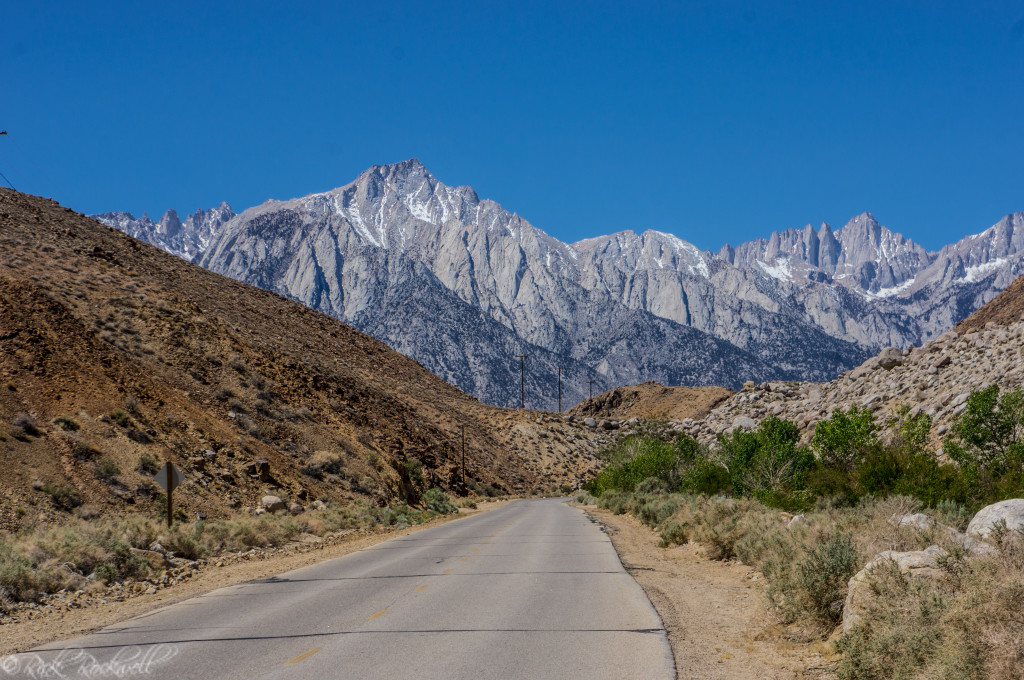
The Alabama Hills is technically not a range of hills but actually part of the Sierras. They are located on the eastern slope of the Sierra Nevadas in the Owens Valley, just west of the small town of Lone Pine. The land is protected and maintained by the Bureau of Land Management and officially titled the Alabama Hills Recreation Area.

A Star Is Born
The Alabama Hills has been the backdrop for hundreds of films including many of the early westerns that took place from the 1920s to the 1950s. The first documented film in this area was shot in 1920 and titled Round Up. It starred Roscoe “Fatty’ Arbuckle and featured Wallace Beery. It’s also reported that Buster Keaton had an uncredited role as an Indian in the film.
Films starring Tom Mix, John Wayne, Cary Grant, Gregory Peck, James Stewart and many more all-time great actors and actresses were shot here. TV shows like the Gene Autry Show, Bonanza and The Lone Ranger were also filmed here. Modern films like Tremors, Gladiator, Maverick, Star Trek Generations, Iron Man and Transformers: Revenge of the Fallen were also shot in the Alabama Hills.
The Lone Pine Film Museum was created in 2006 to chronicle and preserve Hollywood’s amazing history in this region. It has one of the most extensive collections of these films and the most in-depth list of which films were shot in the region.
Check out the Museum’s official website
For the most extensive list of documented films in the Alabama Hills click here
Movie Road
Whitney Portal Road carves its way through the Alabama Hills and takes motorists up into the Sierras. This road can be accessed from Highway 395 in the town of Lone Pine. There’s a sign letting you know when you are entering The Alabama Hills. About 3 miles west of Lone Pine, Whitney Portal Road intersects with Movie Road. At this location there is a marker that recognizes the long and distinguished Hollywood resume that this region has.
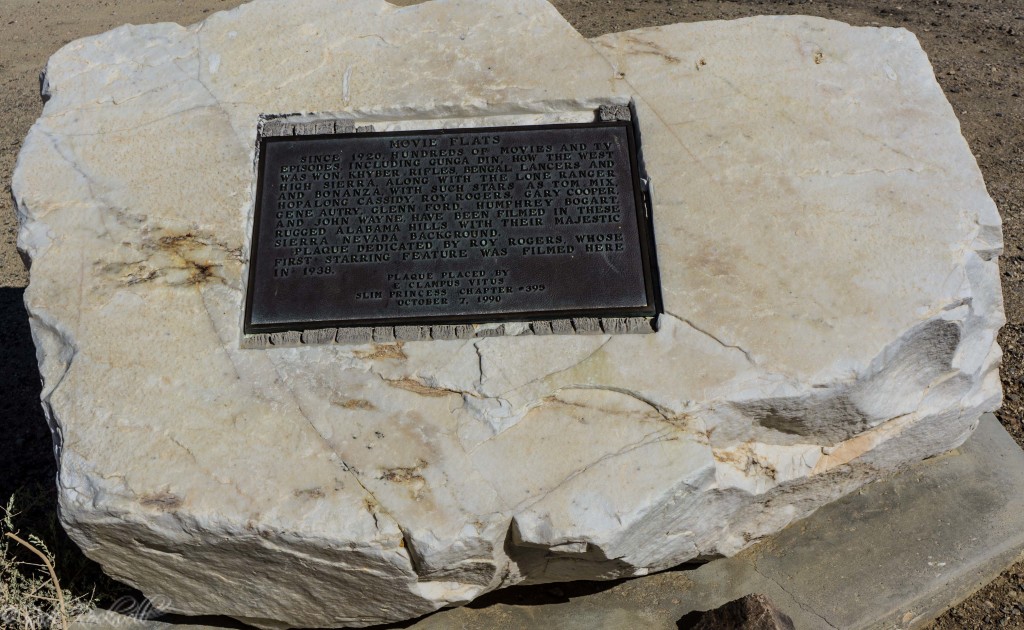

Movie Road is the most popular portion of the Alabama Hills because it accesses many of the popular film locations. These places of interest represent films and TV shows from the modern era all the way back to the 20’s and 30’s. However, they are very difficult to find.
There’s no markers or trailheads for any of these locations. Just a road mostly covered in sand. In fact, after about one mile on Movie Road, it becomes white washed. So, it’s best to have a vehicle with high clearance. I did drive these roads in a full size rental car, just had to go slowly.
Trying to find the exact film locations is difficult but fun. It’s like going on an adventure. In fact, there aren’t many places like this where the wide open landscapes provide a remote exploration of thrill and solace.
The BLM has a Movie Tour brochure that you can check out. It will start you on your quest of finding the different film locations.
For me, my biggest reason for visiting the Alabama Hills was to see the Mobius Arch.
The Mobius Arch
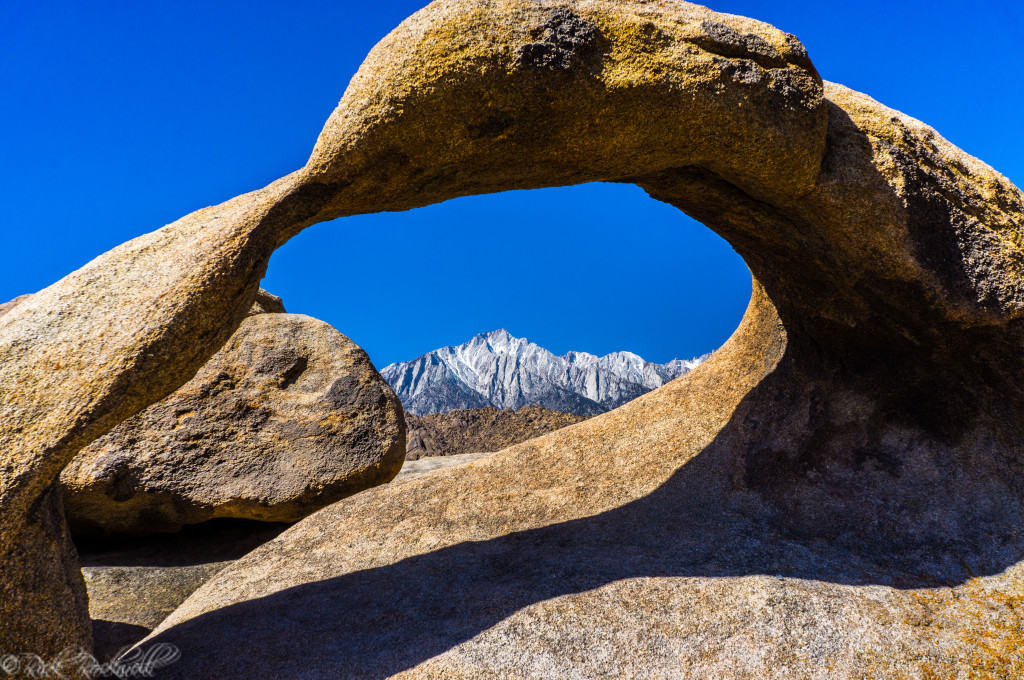
The Mobius Arch, also known as the Alabama Hills Natural Arch, is an insanely popular location for hikers and photographers. The Arch is one of the most photographed places in the region due to its picture perfect shot of the Sierras, most notably Mt. Whitney, through the arch. In recent times, the Mobius Arch Loop Trail was created to take hikers from the parking area to the arch and nearby rock formations.
Check out my article The Mobius Arch: nature’s perfect picture frame for photos, directions and trail details.
In Search of Tremors
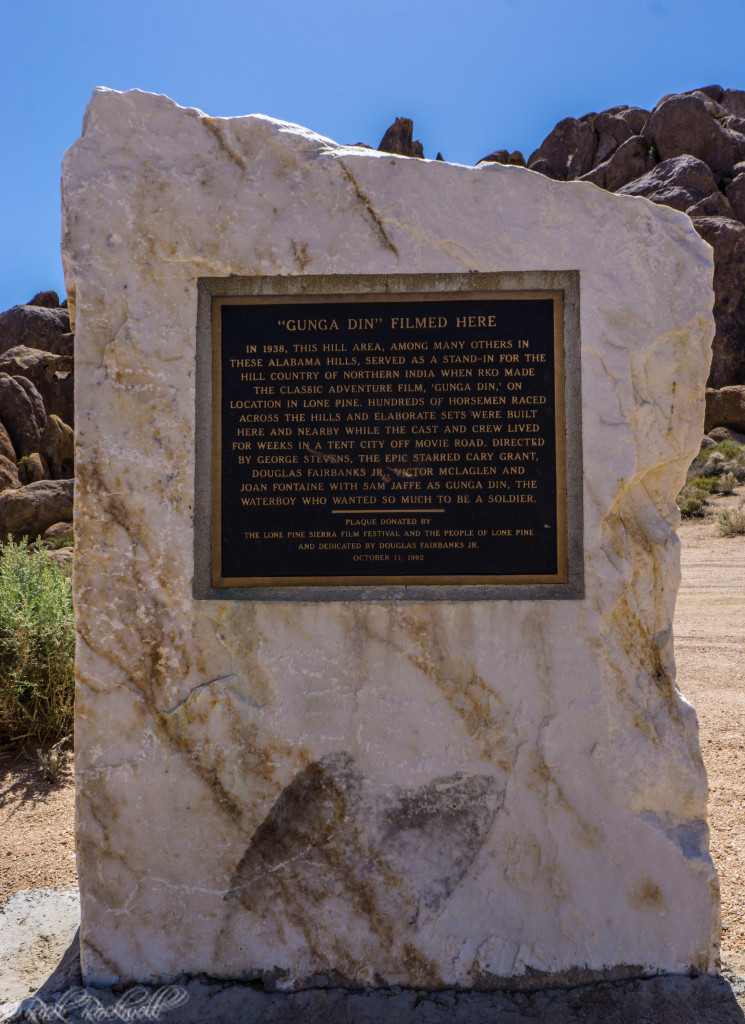
After the Mobius Arch, I got back on Whitney Portal Rd. and went about a 1/4 of a mile west, before making a left onto Horseshoe Meadows Rd. Out here is the marker for the film Gunga Din. From this marker I stayed on Horseshoe Meadows Rod. until making a left on Sunset Dr. which was about 5-10 minutes away. Turtle Creek is a very narrow road that winds back around the Hills and toward the entrance of the recreation area. It’s a nice, scenic drive that requires slow speeds.

Tremors was filmed in the southwest portion of the Alabama Hills. However, it’s hard to find an exact location since most of the rocks look the same. Additionally, there’s not many places to park on the side of Turtle Creek Rd.
Final Words
The Alabama Hills is a great opportunity to enjoy a wide range of outdoor activities. For movie buffs, trying to find the film locations is a lot of fun. It’s like a scavenger hunt of sorts. For outdoor enthusiasts, there’s plenty of rock climbing, bouldering and hiking that can turn this trip into a multiple day adventure. And for photographers, the Mobius Arch is worth the trip. Even if there wasn’t anything else to do, the Mobius Arch is still enough of a reason to visit this region. It really does provide a perfect picture frame of the Sierras.
Directions
Take Highway 395 to Lone Pine and turn west onto Whitney Portal Road. About 1.5 miles down, you will see the entrance sign to the Alabama Hills. Head another mile and you will see Movie Road. Make a right onto Movie Road to explore the various film locations and to reach the Mobius Arch.