


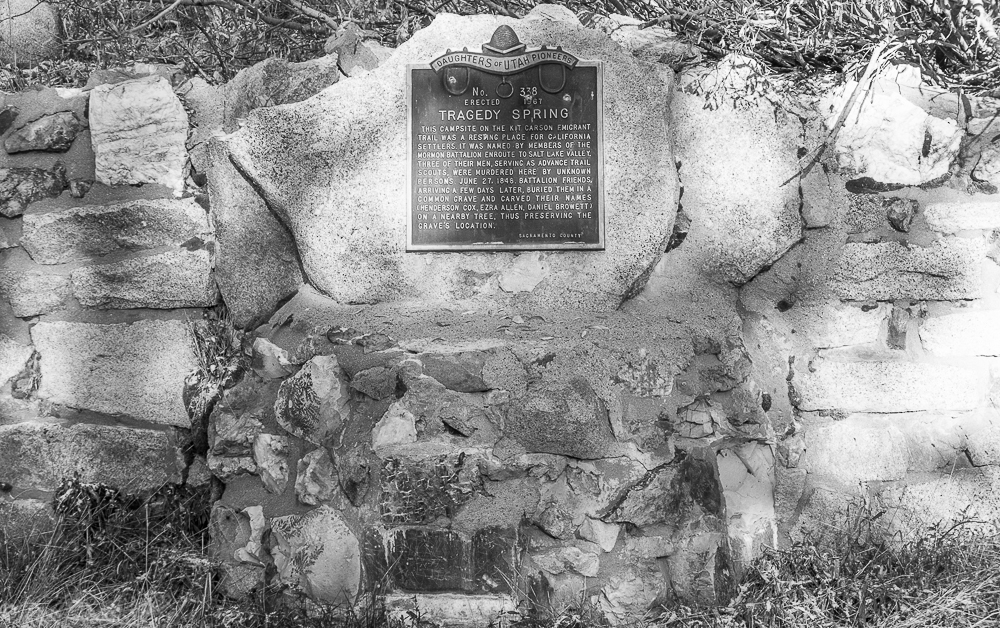
Tragedy Spring looks like a quiet stop in the high Sierra today, but its name comes from one of the darker stories tied to the Mormon Emigrant Trail. In 1848, three Mormon Battalion veterans — Daniel Browett, Ezra Hela Allen, and Henderson Cox — rode ahead of their company to scout a wagon route across the Sierra Nevada. They never returned.
Weeks later, their companions found signs of a violent struggle near a spring in the forest: a campfire, bloody arrows, blood-stained rocks, and a grave holding the bodies of the three missing men. The company buried them again, carved their names into a tree, and gave the place the name it still carries: Tragedy Spring.
Today, Tragedy Spring is a small historic site and picnic area off Highway 88 near Silver Lake. It is easy to miss if you are speeding toward Carson Pass or Kirkwood, but it is one of the most meaningful roadside history stops along this old emigrant corridor. It also pairs naturally with the nearby Maiden’s Grave, another Highway 88 landmark where pioneer memory, grief, and urban legend overlap.
Tragedy Spring Visitor Details
- Site name: Tragedy Spring / Tragedy Springs
- Location: Old Alpine Highway off Highway 88, near Silver Lake
- County: El Dorado County
- Land manager: Eldorado National Forest
- Elevation: About 8,000 feet
- Historic route: Mormon Emigrant Trail / Carson-Mormon Emigrant Trail
- Main story: 1848 killing of Daniel Browett, Ezra Hela Allen, and Henderson Cox
- Visit type: Short roadside historic stop and picnic area
- Facilities: Three picnic units listed by the Forest Service
- Nearby places: Silver Lake, Plasse’s area, Shot Rock Vista, Maiden’s Grave, Kirkwood, Carson Pass
- Best season: Late spring through fall, depending on snow and road conditions
- Road caution: Check Highway 88 and Eldorado National Forest road status before going, especially in winter or shoulder season
Where Is Tragedy Spring?
Tragedy Spring is located off Highway 88 in the Eldorado National Forest, near Silver Lake and the Plasse’s area. The Forest Service lists Tragedy Springs on the old Alpine Highway off Highway 88, about a half-mile west of Plasses Road.
This is high Sierra country, so the drive can feel very different depending on the season. In summer, it can be a quiet historical pull-off with forest, plaques, a spring shelter, and the grave site. In winter and spring, snow, wet roads, gates, and seasonal restrictions can change access quickly.
It is also worth noting that older references sometimes associate Tragedy Spring with Amador County because it sits very close to the county line and the Highway 88 historic corridor. The California Office of Historic Preservation lists Tragedy Spring in El Dorado County.
Can You Visit Tragedy Spring Today?
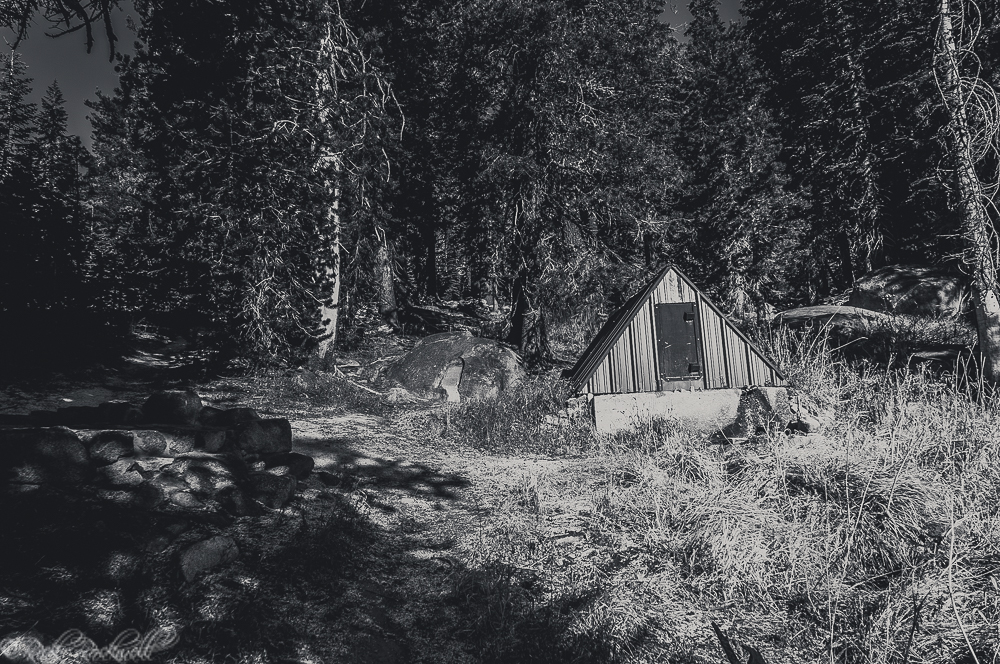
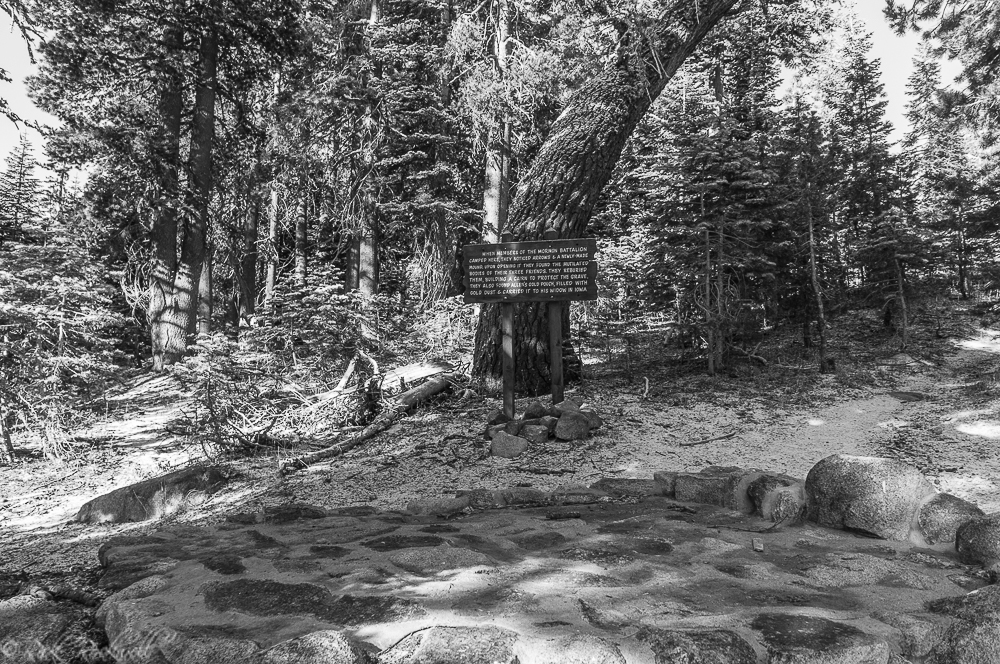
Yes, Tragedy Spring can be visited as a short roadside historic stop along Highway 88 when roads are open and conditions allow. The site includes historical markers, a spring area, memorial features, and the stone grave associated with Daniel Browett, Ezra Allen, and Henderson Cox.
To find it, turn off Highway 88 onto Tragedy Spring Road. Continue partway down the road and look for the marker area on the north side. Visitors have traditionally parked near the marker and followed steps or a short path up the hill toward the spring and memorial features, but exact visual cues may change as fire recovery, tree removal, and restoration work continue.
The site has included a fountain, plaques, a spring shelter, and a stone grave, along with a boulder plaque that copies the inscription once carved into a nearby tree. Because Tragedy Spring has been affected by wildfire, storms, falling trees, and ongoing restoration planning, do not rely only on old photos or older trip reports when looking for specific signs or paths.
Before driving out, check current Highway 88 conditions and Eldorado National Forest road information. The Forest Service notes that Mormon Emigrant Trail / Iron Mountain Road is closed to passenger vehicles in winter, and dirt roads can also be affected by wet-weather and seasonal restrictions.
The Plan to Head Home

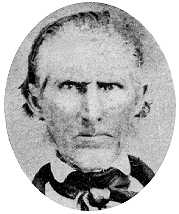
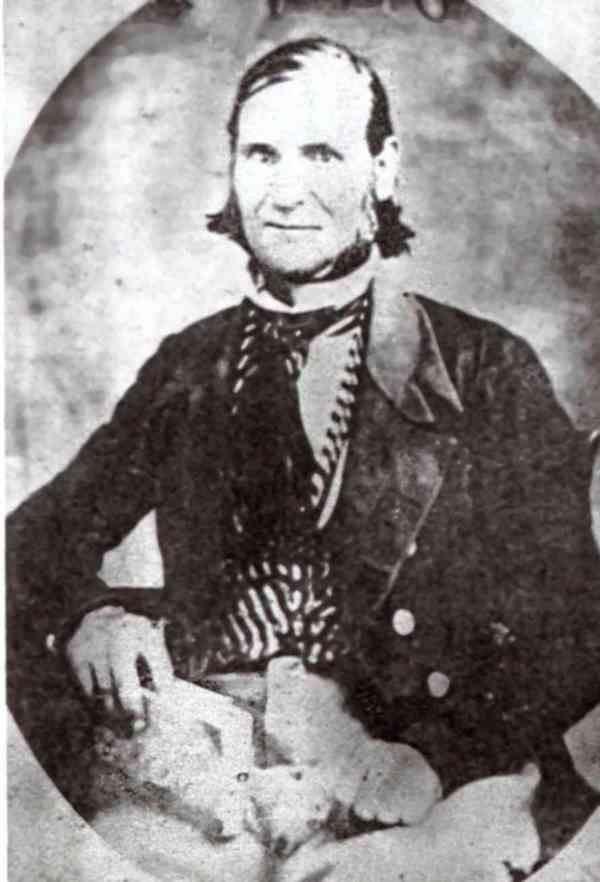
Jonathan H. Holmes
In the spring of 1848, roughly four dozen veterans of the Mormon Battalion decided to return home to the Salt Lake Valley. Many had spent nearly a year working for John Sutter at Sutter’s Fort and at the sawmill in Coloma, where gold had recently been discovered.
Brigham Young had called these men back to Utah, and they were ready to leave California behind. But their route home would not be simple.
The original plan was to cross the Sierra Nevada near the Truckee River, in the area of modern Donner Pass. That was the established route at the time. In May 1848, Robert Pixton, Daniel Browett, Ezra Allen, Henderson Cox, James Calvin Sly, Israel Evans, and a few others rode toward Truckee to gauge the conditions.
They came back disappointed. Heavy snow made that route impassable.
With Truckee no longer a realistic option, the group gathered supplies, money, livestock, and equipment for a different plan. They would carve a new wagon road through the Sierra Nevada past Dry Diggings, the settlement that later became Placerville.
These men were already used to harsh travel and improvised routes. They had marched with the Mormon Battalion, worked in a rapidly changing California, and lived through the first chaotic months after the gold discovery. Now they were preparing to become road builders in some of the most difficult mountain terrain in the West.
Because the group was scattered between Sutter’s Fort and Sutter’s sawmill in Coloma, roughly 40 miles apart, they needed a gathering place before heading east. On June 17, 1848, Henry Bigler and two others set out to find a suitable location. They settled on a pleasant little foothill valley and called it Pleasant Valley, a name that still survives today.

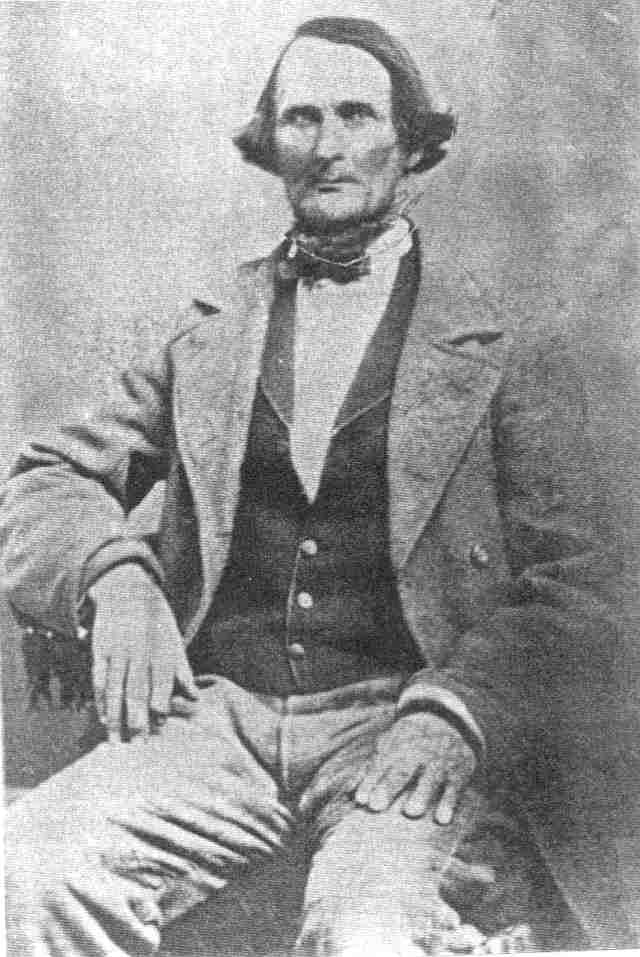
Gathering at Pleasant Valley
History usually refers to this emigrant group as the Jonathan H. Holmes and Samuel Thompson Company. It included roughly four dozen known participants, all connected to the Latter-day Saint migration story and ready to return to families, faith, and community in the Salt Lake Valley.
The excitement at Pleasant Valley must have been heavy with anticipation. Many of these former soldiers had not seen their families in two years. But everyone understood the risk. This would not be a simple trip home.
Around June 22, Daniel Browett, who had been elected captain of the company, rode ahead with Ezra Allen and Henderson Cox to scout possible routes. They were expected to explore, locate a workable path, and return to meet the main party.
By July 1, the wagon train could wait no longer. The company included about four dozen trailblazers, 17 wagons, 150 cattle, and 150 horses and mules. With no word from Browett, Allen, or Cox, the Holmes and Thompson Company set out for Salt Lake on July 2, 1848.
According to the official Latter-day Saint pioneer company roster, the company included:
|
Soldier |
Soldier |
Soldier |
|
Wesley Adair |
Ezra Hela Allen |
James Riley Allred |
|
Philo Marshall Behunin |
Henry William Bigler |
Daniel Browett |
|
James Stephens Brown |
Richard Bush |
Melissa Coray |
|
William Coray |
Henderson Cox |
John Cox |
|
Daniel Quimby Dennett |
Joseph Dobson |
James Douglas |
|
John Eagar |
Elijah Elmer |
Israel Evans |
|
Ephraim Green |
Francis Asbury Hammond |
Meltiar Hatch |
|
Orin Hatch |
Jonathan Harriman Holmes |
William Holt |
|
William James Johnston |
Zadoc Knapp Judd |
George Kelly |
|
Jesse Bigler Martin |
Miles Miller |
David Moss |
|
William Smith Muir |
George Pickup |
Robert Pixton |
|
Addison Pratt |
Samuel Hollister Rogers |
James Calvin Sly |
|
Azariah Smith |
Alexander Stephens |
William Strong |
|
Samuel Thompson |
Jacob Mica Truman |
Thomas Weir |
|
John Stout White |
Ira Jones Willes |
William Sidney Smith Wiles |
|
Oliver Gaultry Workman |
Some of these men were present during the early days of the California gold discovery. Their journals helped preserve details that might otherwise have been lost, including the exact date of James Marshall’s gold discovery at Sutter’s Mill.

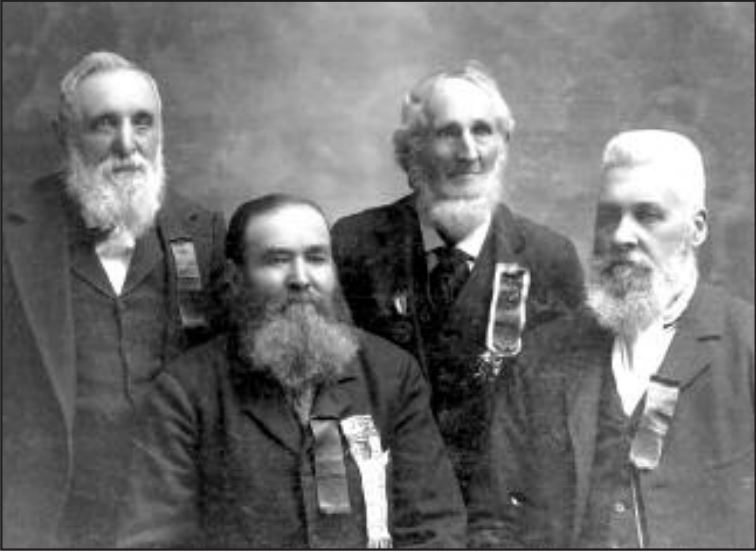
Browett, Allen, and Cox Set Out to Scout a Path
Henry W. Bigler later wrote about the departure of Browett, Allen, and Cox under the pen name Henele Pikale in his 1886 Juvenile Instructor series, “Recollections of the Past.”
Bigler remembered that “Brothers Browett, Allen and Cox” wanted to push ahead with pack mules to explore and “hunt out a route over the mountains” while the company was still gathering. They were advised not to go because of danger in the mountains, but they believed there was no serious risk and left camp anyway.
All three men were veterans of the Mormon Battalion. They were not inexperienced travelers. They had already endured military service, long-distance movement, and California frontier conditions. That may be why they felt confident enough to separate from the main company.
Captain Daniel Browett
Daniel Browett enlisted in the Mormon Battalion on July 16, 1846, along with his friends John Cox, Levi Roberts, Robert Harris, Richard Slater, and Robert Pixton. They were assigned to Company E, where Browett was commissioned as a sergeant.
After their one-year term of duty expired, Browett and many other Mormon soldiers started back toward Utah under Levi Hancock. They met up with Captain Brown, and under the direction of Brigham Young, a large number of the men returned to California to find employment and help support the broader Latter-day Saint community in Utah.
Browett and his friends, except for Harris, returned to California and eventually found work with John Sutter. Browett became a carpenter and laborer on the grist mill.
By March 1848, Browett’s reputation had made him a trusted spokesperson for the Mormon workers employed by Sutter. He negotiated pay, handled issues directly with Sutter, and managed final payments before the men parted from Sutter’s employ.
Several Mormon soldiers also documented that Browett collected gold flakes from the men to purchase two cannons from Sutter and bring them back to Salt Lake.
With his military experience, practical skill, and leadership among the Mormon laborers in California, Browett was elected captain of the company and became its lead scout. He was seen as skilled, reliable, intelligent, and trustworthy. To many in the company, he was not just a leader but a friend and father figure.
Private Henderson Cox
Henderson Cox was born on November 6, 1829, in Warren County, Indiana, to Jehu Cox Sr. and Sarah Riddle Pyle. He was one of 16 children and only 16 years old when the U.S. Army came to recruit Latter-day Saint volunteers in the summer of 1846.
Inspired by Brigham Young’s call for 500 Mormon volunteers, Cox enlisted in the Mormon Battalion and marched out on July 16, 1846.
Cox served as a private in Company A under Captain James Allen and Captain Jefferson Hunt. He turned 17 while the Battalion was marching through Arizona. After the Battalion was discharged on July 16, 1847, Cox made his way north and found employment with John Sutter. He turned 18 while working for Sutter and gained firsthand experience in the California landscape.
Already familiar with Browett from their military service and their time working around Coloma, Cox volunteered to scout with him on the journey back to Utah.
Ezra Hela Allen
Ezra Hela Allen was born on July 28, 1814, in Madrid, St. Lawrence County, New York, to Samuel Russell Allen and Sarah Jane Powers. Some sources say he was one of 14 children, while others place the number at 17.
Allen grew up working hard and caring for family. At 23, he married Sarah Beriah Fiske on December 25, 1837, in Madrid. They had four children before he enlisted in the U.S. Army as a member of the Mormon Battalion in the summer of 1846.
On July 16, 1846, Allen, a fifer in Company C, marched with the rest of the soldiers to Fort Leavenworth. From there, the Battalion left for Santa Fe with orders to arrive by October 3, 1846.
Like Browett and Cox, Allen went to Northern California for employment with John Sutter. He worked at the mill and collected some gold after the January 1848 discovery. He had also ridden out with Browett, Pixton, and others toward Truckee to look for a passable route, only to return because of snow.
Like Cox, Allen volunteered to scout with Browett because he knew and trusted him.
A Growing Concern for the Three Scouts
After the company left Pleasant Valley, the party eventually arrived at a “nice little valley” they called Sly’s Park by July 5. A few members of the party were said to have arrived by July 10.
That “little valley,” also described as a meadow, is now under Lake Jenkinson in the Sly Park Recreation Area.
From the surviving journals of several company members, the story begins to tighten into a grim timeline.
A Meeting Is Held as Hope Is Waning
On the night of July 4, while some of the men celebrated Independence Day by firing off a cannon, others held a meeting to discuss what should be done about the three missing scouts.
According to Henry Bigler, “Fears were entertained that mischief had befallen them.”
Bigler also wrote that a group of 10 men would ride out to “pioneer the way over the Sierra Nevada” and see if anything could be learned about the missing men.
Samuel H. Rogers recorded a similar decision in his diary. The company “concluded to send some men a head to find out the road over the mountain,” and also to find out what had become of the three men who had started several days earlier.
On the morning of July 5, the group of 10 set out to find a safe passage over the Sierra Nevada and look for Browett, Allen, and Cox.
Elijah Elmer recorded that the 10 men “took 2 weeks rations with them.” He also wrote that the rest of the company would remain at Sly’s Park until the group returned.
According to the biography of Addison Pratt, the company was deeply uneasy about the missing scouts. Pratt wrote that “there had been much unpleasant feeling express’d by the company about them.”
The Group Returns Without News
On Thursday, July 13, the group of 10 returned late at night. The camp was immediately called together so the men could report what they had found.
The news was mixed and troubling. Bigler wrote that the group had found a pass, but it would take serious work to carve a road through it. More disturbing was what they had not found: “They had learned nothing of the three men, neither trail nor sign of them could be found after passing a certain point.”
Addison Pratt recorded that the scouts’ trail “could be trac’d no more than ten or twelve miles beyond where we were.”
The report left the company anxious. Elijah Elmer wrote that some feared the men were “lost and starved to death.”

The Company Leaves Sly’s Park
With no sign of Browett, Allen, or Cox, the company decided to move forward. The leaders planned “to send four men ahead on the morrow to cut away the brush and roll rocks out of the way,” while the camp followed after.
The first group left on Saturday, July 15. Ephraim Green wrote in his journal that they started late, went about 10 miles, and camped on a ridge “1 mile from water and a poor part.”
Henry Bigler stated that they went eight miles. Jonathan Holmes wrote that they left Sly’s ranch and traveled 10 miles before camping for the night. Samuel Rogers also recorded 10 miles for July 15.
Elijah Elmer and the remaining members of the company left on Sunday, July 16, heading “for the top of the mountain.” He wrote that they traveled nine miles and camped at a place called Camp Creek, a name that still exists today.
Regrouping and Camping at Leek Springs
On Monday, July 17, most of the company left Camp Creek and traveled about 10 miles before stopping near a spring and setting up camp.
Addison Pratt wrote that they called the place Leek Springs because of the abundance of that vegetable growing there. He described it as “a beautiful valley with a great abundance of feed for cattle.”
Many of the men described this portion of the route as rocky and choked with “large thickets of brush.” The company lost some cattle and horses that day, and with missing livestock and difficult country ahead, they decided to remain at Leek Springs for two days.
On Tuesday, July 18, some men successfully found the lost cattle and horses, while others repaired damaged wagons. A group of five men was also sent ahead “to cut out the road” for the wagon train. Miles Miller, Henry Bigler, and Samuel Rogers were among those five.
On their way back to camp after working on the road, Rogers and Bigler found something that changed the whole mood of the journey.
A Grave Is Discovered
As the group of five returned to camp, they found evidence of a campsite that they believed belonged to Browett, Allen, and Cox. Nearby, they found a grave.
Henry Bigler wrote:
“As we were returning we found where we supposed our three missing men had camped near a spring. Not far away was what we thought to be an Indian grave, as near by was an Indian wickeup. Brother Miller, one of our party, said he was of the belief that our brethren were in it.”
Samuel Rogers recorded a similar discovery:
“On our returning to camp, we found the place where the three brethering had camped who went first to search out the road, by a spring of water. there was a grave. Some think that it is the grave of the three Brethren.”
Rather than examine the grave immediately, the five men hurried back to camp and reported what they had seen.
Addison Pratt wrote that the company now began to feel that their fears “about them being murdered by Indians” were being realized. That was the company’s interpretation at the time, based on the signs they believed they found. The actual perpetrators were never definitively identified, and later interpretations of the event have questioned parts of the original assumption.
Pratt also wrote that the company’s next move was to go to the place, camp there, and examine it thoroughly.
That evening, the company organized itself into four groups of 10. Jonathan Holmes was appointed “president” and placed in charge. Samuel Rogers and Addison Pratt were appointed as counselors. Samuel Thompson was appointed captain in case there was fighting.

Departing Leek Springs for Tragedy Spring
On Wednesday, July 19, the company set out for the grave site, roughly five to six miles from Leek Springs. The road between the camps was described as “the worst road that we have found yet.”
After what felt like an all-day journey, the company reached the spring and grave. The men were determined to search the area carefully and open the grave to see whether their missing companions were buried there.
Near the spring, which poured out of the mountainside, they found evidence of a fire and an encampment. The location was described as “a beautiful little spring in the midst of a heavy growth of fine timber.”
Then the signs became more disturbing.
The men found arrows scattered around the area. Some were broken and bloody. They also saw rocks with blood and hair on them. It was clear that something violent had happened near the spring.
Francis Asbury Hammond later wrote that “signs of a fearful struggle were apparent where the brethren fought for their lives.”
Digging Up the Grave at Tragedy Spring
The men dug into the grave to see if their missing companions were inside. Within moments, the worst fear of the company was confirmed. They found “the Bodies of the Three Brethren who went in search of the road Daniel Browatt, Henderson Cocks and Ezra H. Allen.”
Addison Pratt wrote that all three bodies were “divested of every article of clothing and bearing marks of horrid violence.”
James S. Brown later wrote in his autobiography that, upon seeing the bodies of the men, “our feelings cannot be described through the medium of the pen.”
Browett, Allen, and Cox were naked, mutilated, and badly decomposed. Browett had what was believed to be an axe or hatchet wound that split his lower jaw and went through his eye.
Allen had a withe around his neck, which supported the company’s theory that he had been dragged back to the grave. Allen’s pouch filled with gold was found some distance from the grave, with blood on it. The men believed Ezra had tried to run but suffered a fatal blow to the back of the head.
The company also believed the three scouts had likely been taken by surprise while sleeping. Their clothing, weapons, supplies, and animals were gone, but the attackers had apparently missed Allen’s pouch, which reportedly held an estimated $120 in gold.
Jonathan Holmes believed the three men were killed on the night of June 27. Melissa Coray, the only woman in the company, thought they may have been killed with poisoned arrows.
That night, the company camped in grief and fear. They now believed they were “in the midst of an enemies country.”
James S. Brown later wrote “The night we came to Tragedy Springs was very dark, and our camp being in a dense forest of large trees, the darkness was intensified.”
The company fired off a cannon at night to scare away wild animals or possible attackers. The grief over Browett, Allen, and Cox settled over the camp.
Reburying Their Fallen Brothers
Filled with sorrow, the men decided to rebuild a proper grave for their companions. On Thursday, July 20, they built a wall about three feet high around the grave. Henry Bigler wrote that they also covered it with stones to keep animals from disturbing the bodies.
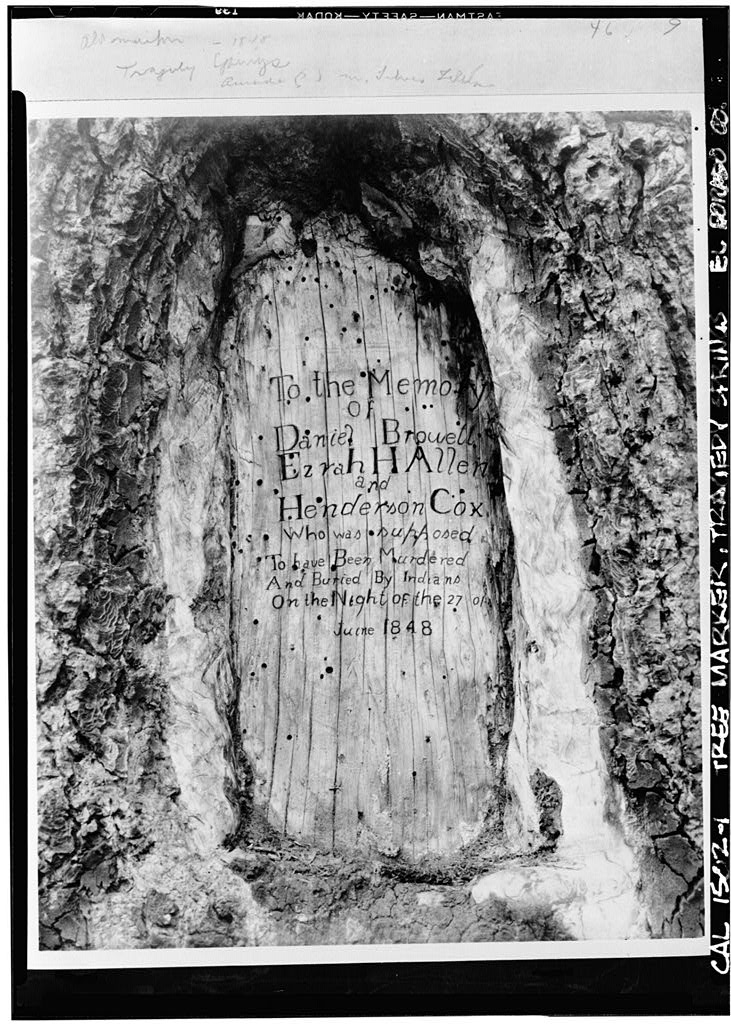
A headstone was raised, and the names of Browett, Allen, and Cox were carved into a nearby tree. The inscription read:
“To the Memory of Daniel Browett, Ezrah H. Allen, Henderson Cox, Who was supposed to have Been Murdered and Buried by Indians On the Night of the 27th June 1848”
The wording reflects the belief of the company at the time. Today, it is safer to describe the attack as attributed by the emigrant party to Native people rather than presenting the identity of the killers as fully proven.
Remembering Their Brothers
Jonathan Holmes, who replaced Browett as the leader of the company, recorded the emotional weight of the discovery in his journal.
He wrote that it was a solemn time when they learned the men had been murdered in such a shocking manner. Browett, he said, had been expected to lead them to Salt Lake. His loss was deeply felt because “he was like a farther to us.”
Addison Pratt, who knew Browett from their time working together at Sutter’s Fort, described him as an excellent man loved by all who knew him.
It is also hard not to think about John Cox and Robert Pixton in that moment. Both had known Daniel Browett before joining the Mormon Battalion, served with him, and stayed connected through their employment with Sutter.
As of this writing, I have not been able to confirm whether John Cox and Henderson Cox were related.
On Friday, July 21, the company continued on its journey. They left Browett, Allen, and Cox buried at the spring, which they had now named Tragedy Spring.
A Letter to John Sutter About the Murders
Before leaving, Samuel Rogers wrote a letter to John Sutter “giving an account of the discovery of the bodies of Browett, Allen and Cox,” and explaining how the company believed they had been killed.
The letter was buried by a tree near the grave. Rogers also left a note on the tree directing whoever found the note to the buried letter.
It is hard not to wonder whether anyone ever found that letter, or if it simply deteriorated over time in the harsh mountain conditions.

The Brown Company Follows the Trail Six Weeks Later
Six weeks after the Holmes and Thompson Company departed, the Ebenezer Brown Company left Pleasant Valley on August 10, 1848.
Brown’s company was able to reach the Great Salt Lake Valley more quickly because of the road-blazing efforts of the Holmes and Thompson Company. During the second company’s journey east, they stopped at Tragedy Spring on Sunday, August 20, 1848, and saw the grave of the “three pioneers.”
John Borrowman, a member of the Ebenezer Brown Company, wrote in his journal that the group found the grave of the pioneers by their camp. He described a large pile of stone neatly built over it and an inscription on a tree at the head of the grave naming Daniel Browett, Ezra Allen, and Henderson Cox.
Borrowman’s journal preserved the meaning of the grave as the second company understood it:
“we found this evening by our <camp> the graves of our pioneers[.] there was a larg pile of stone neitly built over it and on a tree at the head of the graves the following inscription was neatly cut to the memory of Daniel Bruiet[,] Ezrah Allan and Henderson Cox who was supposed to have been murdered and buried by the Indians on the night of the 27 of June 1848[.] this was done by some of the advance company in honour of three of our brethren who died thus trying to push their way through to the Church.”
The Mormon Emigrant Trail
The official Latter-day Saint pioneer-company database lists the Holmes and Thompson Company as ending in Salt Lake City on September 6, 1848. Some journal and later historical accounts may track individual arrivals, later movements, or the company’s final dispersal differently, which helps explain why dates can vary in retellings of the journey.
No other tragedy befell the group like the murders of Browett, Cox, and Allen.
The route they opened through the foothills and mountains became known as the Mormon Emigrant Trail or Carson-Mormon Emigrant Trail.
During the Gold Rush, this route became one of the important overland approaches into California. Rather than a quiet mountain track, the corridor became part of the larger rush of emigrants, wagons, livestock, and fortune-seekers moving toward the diggings and new settlements of Northern California.
Today, Mormon Emigrant Trail Highway follows much of the same general route, though it deviates south of Iron Mountain. The Holmes and Thompson Company originally traveled north of the mountain.
The road’s story is complicated. It is a route of movement, ambition, grief, and California transformation. It carried people toward gold fields, new settlements, and uncertain futures. It also left behind places like Tragedy Spring, where the human cost of overland travel still feels close.
Returning Allen’s Pouch to His Wife
Making it back to Salt Lake was not the company’s final responsibility. Several men took it upon themselves to find Ezra Allen’s wife, Sarah, and return his gold-filled pouch. They eventually tracked her down in Council Bluffs, Iowa.
Sarah used some of the gold to buy supplies so she and her two surviving children could travel west. With some of the remaining gold, she had a ring made for herself.
According to family-history research, the ring was handed down to Allen’s daughter Cynthia Amorette, who married Lewis Ricks. Their daughter Elvira Sarah Ricks Wixom later received it. Elvira then gave it to her daughter Esther Wixom Tippets, who passed it down to Dorothy Tippets Hunt, who reportedly had the ring as of 2004.
Ezra’s gold pouch was given to his son Alexander Alma Allen. When Alexander died in July 1916, the pouch went to his oldest grandson, Guy Poulsen, the son of Annie Elizabeth Allen, Alexander’s daughter from his second wife.
After Guy’s passing, the pouch was given to his uncle Preston Nibley, who was eight years older than him. Preston’s mother was Ellen Jane Ricks Nibley, Alexander’s half-sister. After Ezra’s widow Sarah remarried Joel Ricks, she had six more children.
Preston later handed the pouch down to his son Preston Nibley Jr., who died in 2013.
Tragedy Spring Historical Marker and Park
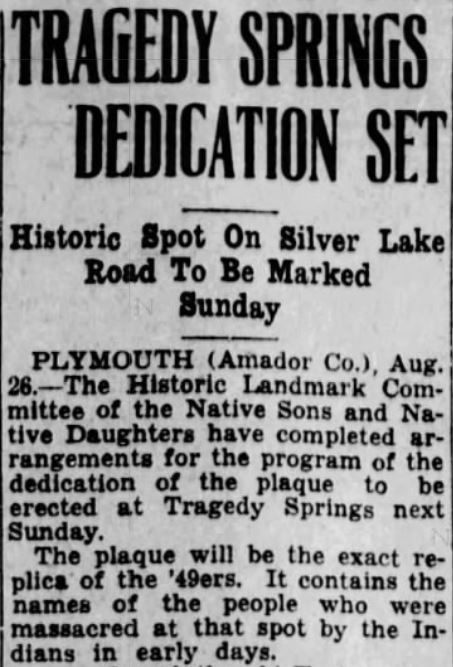
On August 30, 1931, the Historic Landmark Committee of the Native Sons and Native Daughters dedicated a plaque in memory of Daniel Browett, Henderson Cox, and Ezra Allen. A stone fountain was also erected in their memory.
Newspaper coverage from the 1920s and 1930s shows that the old carved tree had become a preservation concern long before the modern park existed. The Sacramento Bee reported on efforts to protect the Tragedy Springs carving in 1923, while later coverage in Stockton and Sacramento tracked the tree’s decay, storm damage, and eventual loss.
By 1931, a plaque was dedicated at the site, and by 1933 newspapers were already describing plans to beautify Tragedy Springs as a historic roadside place.
That early preservation work helps explain why the carved tree did not simply remain outdoors until it vanished. Around the time of the 1931 memorial work, the engraved portion of the original tree was removed for preservation. The tree had suffered damage, and historians wanted to protect the carved memorial.
The preserved portion of the tree later ended up at Marshall Gold Discovery State Historic Park in Coloma, where it remains an important artifact connected to the Tragedy Spring story.
On June 12, 1967, Tragedy Spring was registered as a California historical resource. A few months later, newspaper coverage helped bring attention to the creation of Tragedy Spring Park. Sacramento Bee writer Norma B. Ricketts previewed the park effort in August 1967, and additional Sacramento and Stockton coverage followed the September dedication.
On September 2, 1967, Tragedy Spring became a park through the collaboration of Eldorado National Forest and the Daughters of Utah Pioneers of Sacramento County. Stockton coverage after the dedication reported that more than 200 people attended the ceremony, a reminder that Tragedy Spring was still a meaningful public-memory site more than a century after the three scouts were killed.
A picnic area was created, along with markers and plaques commemorating Browett, Cox, Allen, and the emigrants who blazed the Mormon Emigrant Trail.
Caldor Fire Damage and Restoration Planning
Tragedy Spring is still an active preservation site, not just an old roadside marker. After the 2021 Caldor Fire burned through the region, Church News reported that a wooden sign detailing the site’s history had burned, while other markers survived, including a 1967 Daughters of Utah Pioneers marker.
The same report noted that trees had fallen over or around the plaque and stonework along Tragedy Spring Road, but that the plaques and stonework did not appear to be damaged once cleanup could occur.
Preservation work has continued. In 2025, representatives from historical groups and land-management partners met at Tragedy Spring and Devil’s Ladder to discuss restoration of the Mormon Battalion trail corridor.
The discussion included possible new trails, signage, maps, and interpretive panels, with additional work expected to unfold as planning, snowmelt, debris removal, and agency approvals allow.
For visitors, that means Tragedy Spring should be treated as both a historic stop and a place still recovering from fire and weather damage. Expect conditions around signs, paths, trees, and access roads to change over time.

Tragedy Spring, Maiden’s Grave, and Highway 88’s Dark History
Tragedy Spring is not the only Highway 88 stop where history and local legend overlap. A few miles away, the Maiden’s Grave tells a different kind of emigrant-trail story: one centered on a young traveler, a roadside grave, a grieving mother, and a historical mystery over whether the public landmark marks the right burial site.
Together, Tragedy Spring and Maiden’s Grave make this stretch of Highway 88 feel different from a typical Sierra drive.
Tragedy Spring carries the violence and fear of 1848. Maiden’s Grave carries the sorrow and uncertainty of 1850. Silver Lake, Plasse’s, Carson Pass, and the surrounding forest give those stories a physical setting that still feels remote, even with a paved highway nearby.
If you continue east over Carson Pass, you can also connect this corridor with Kirkwood, Hope Valley, and Markleeville, especially in late spring through fall when the mountain roads are open and conditions are more forgiving.
Is Tragedy Spring Worth Visiting?
Tragedy Spring is worth visiting, especially if you are already traveling Highway 88 and enjoy California history, emigrant trails, Gold Rush routes, or small roadside sites with a deeper story behind them. This is not a large attraction or a long stop. It is a quiet historic place where the meaning comes from knowing what happened there.
For me, Tragedy Spring had a peaceful, quiet setting, but it also felt like a powerful reminder of the dangers people faced in that era. I visited the site with my son so we could pay our respects and spend time with the living history of the Mormon Battalion, not just read about it from a distance.
Tragedy Spring is tied to the first Mormon wagon road over the Sierra Nevada, the early Gold Rush, the Mormon Battalion, John Sutter’s California, and the dangerous uncertainty of mountain travel in 1848.
The site also has a long preservation story. The company preserved the memory almost immediately by reburial, journal accounts, a carved tree, and the name Tragedy Spring. Later travelers saw the grave. Later historians protected the carving.
Newspapers returned to the place in the 1920s, 1930s, 1960s, and again in the 2020s as attention shifted toward wildfire damage, trail restoration, and the future of interpretation along the old Mormon Battalion route.
For most visitors, Tragedy Spring works best as part of a Highway 88 history drive, especially when paired with Maiden’s Grave, Silver Lake, Carson Pass, or other stops along the old emigrant corridor.
FAQs About Tragedy Spring
What happened at Tragedy Spring?
In 1848, Daniel Browett, Ezra Hela Allen, and Henderson Cox rode ahead of the Holmes and Thompson Company to scout a route over the Sierra Nevada. When they failed to return, members of the company searched for them and eventually found signs of a violent struggle near a spring. The bodies of the three men were discovered in a grave nearby, and the company named the place Tragedy Spring.
Where is Tragedy Spring?
Tragedy Spring is located off Highway 88 in the Eldorado National Forest near Silver Lake and Plasse’s Road. The Forest Service lists Tragedy Springs on the old Alpine Highway off Highway 88, about a half-mile west of Plasses Road.
Can you visit Tragedy Spring?
Yes, Tragedy Spring can be visited as a roadside historic stop and picnic area when road and weather conditions allow. The site includes markers, a spring shelter, memorial features, and the stone grave associated with Browett, Allen, and Cox, though specific signs, paths, and features may change as restoration continues.
Is Tragedy Spring in El Dorado County or Amador County?
The California Office of Historic Preservation lists Tragedy Spring in El Dorado County. Older references sometimes connect it with Amador County because the site sits very close to the county line and along the Highway 88 corridor.
Is Tragedy Spring near Maiden’s Grave?
Yes. Tragedy Spring and Maiden’s Grave are both historic roadside stops along the Highway 88 corridor near Silver Lake. They tell different stories, but both are connected to emigrant-trail travel, pioneer memory, and Sierra Nevada history.
Was Tragedy Spring damaged by the Caldor Fire?
The Caldor Fire burned through the Tragedy Spring area in 2021. Reports after the fire noted that some signs and surrounding features were damaged, while important markers and stonework survived. Because the site has been affected by fire, storms, and restoration work, visitors should expect conditions to change.
Is Mormon Emigrant Trail open year-round?
No. The Eldorado National Forest notes that Mormon Emigrant Trail / Iron Mountain Road is closed to passenger vehicles in winter. Conditions can also change because of snow, wet roads, fire recovery, storm damage, or seasonal restrictions, so check current Forest Service and highway information before driving.
Sources
Official and Current Visitor Sources
California Office of Historic Preservation — Tragedy Spring
https://ohp.parks.ca.gov/ListedResources/Detail/P42
Eldorado National Forest — Picnicking
https://www.fs.usda.gov/r05/eldorado/recreation/opportunities/picnicking
Eldorado National Forest — Road and Trail Status
https://www.fs.usda.gov/r05/eldorado/conditions/road-and-trail-status
Eldorado National Forest — Mormon Emigrant Trail Winter Vehicle Use Road Closure
https://www.fs.usda.gov/r05/eldorado/alerts/mormon-emigrant-trail-winter-vehicle-use-road-closure
Latter-day Saint Pioneer Overland Travel — Holmes-Thompson Company roster
https://history.churchofjesuschrist.org/overlandtravel/companies/5/holmes-thompson-company-1848
Modern Preservation and Fire Sources
Church Newsroom — “California wildfire damages historic site where three Mormon Battalion members are buried,” September 2021
https://newsroom.churchofjesuschrist.org/article/california-wildfire-damages-historic-site-where-three-mormon-battalion-members-are-buried
Church News — “Working to preserve history at Tragedy Spring and Devil’s Ladder,” September 17, 2025
https://www.thechurchnews.com/living-faith/2025/09/17/mormon-battalion-association-working-keep-history-alive-tragedy-spring-california/
Historic Newspaper and Archive Sources
The Sacramento Bee — “Tragedy Springs Carving Protected,” October 3, 1923, page 22
Stockton Daily Evening Record — “Decay Starts in Record Tree at Tragedy Springs,” July 25, 1925, Out-O-Doors section, page 1
The Sacramento Bee — “Historic Marker Tree On Amador Road Goes Down In Fall Storm,” November 13, 1929, page 22
Stockton Daily Evening Record — “Tragedy Springs Tree Blown Down,” June 18, 1930, page 13
The Sacramento Bee — “Tragedy Springs Plaque Is Dedicated,” August 31, 1931, page 9
The Livingston Chronicle — “Tragedy Springs, Where Pioneers Were Murdered, To Be Beautified By State,” December 28, 1933, page 8
Norma B. Ricketts, The Sacramento Bee — “Gold Rush Tale Of Tragedy Spring Will Live In Park,” August 20, 1967, page B5
The Sacramento Bee — “Dedication Of Tragedy Spring Park Is Scheduled For 2 P.M. Tomorrow,” September 1, 1967, page C4
The Sacramento Bee — “Wreaths Mark Spot Where Mormon Pioneers Were Murdered In 1847,” September 4, 1967, page B3
Note: use for dedication context only; the headline’s 1847 date conflicts with the accepted 1848 event date.
Stockton Daily Evening Record — “Tragedy Springs Park Dedication Draws Over 200,” September 6, 1967, page 34
Historical Sources and Archive References
Henele Pikale / Henry W. Bigler, “Recollections of the Past,” Juvenile Instructor, December 1, 1886, pages 365–366
Addison Pratt autobiography and journals, 1843–1852
Azariah Smith autobiographical sketch, 1903, pages 6–8
Elijah Elmer diary in “To the Tops of the California Mountains: The 1848 Carson Pass Diary of Elijah Elmer,” edited by Will Bagley, Crossroads Newsletter 4, no. 3, summer 1993, pages 5–7
Ephraim Green journal, June–September 1848 and December 1849
- A. Hammond, “In Early Days. My Introduction to Mormonism,” Juvenile Instructor, August 15, 1894, pages 517–518
Jonathan H. Holmes diary, 1846–1848
Melissa Burton Coray Kimball in “Utah Woman’s 2,000-Mile March Fifty-five Years Ago,” Salt Lake Herald, May 26, 1901, page 2
Samuel H. Rogers reminiscences and diary, 1841–1886, reminiscences and journal, 1841 June–1855 July, pages 158–166
Zadoc K. Judd autobiography, 1903–1907, pages 33–36
Robert Pixton autobiography, circa 1870, pages 30–31, Robert Pixton papers
James S. Brown, Life of a Pioneer: Being the Autobiography of James S. Brown, 1900
John Borrowman diaries, 1846–1860
Additional Context Sources
Ensign Peak Foundation — Tragedy Spring
Tragedy Spring, Amador County, CA – Mormon Battalion
Historic Marker Database — Tragedy Spring
https://www.hmdb.org/m.asp?m=21273
National Park Service — California Gold Rush
https://www.nps.gov/cali/learn/historyculture/california-gold-rush.htm
Carson Pass — Historic Sites
https://www.carsonpass.com/activities/historic_sites.html
Carson Pass — Picnic Sites
https://www.carsonpass.com/activities/picnics.html