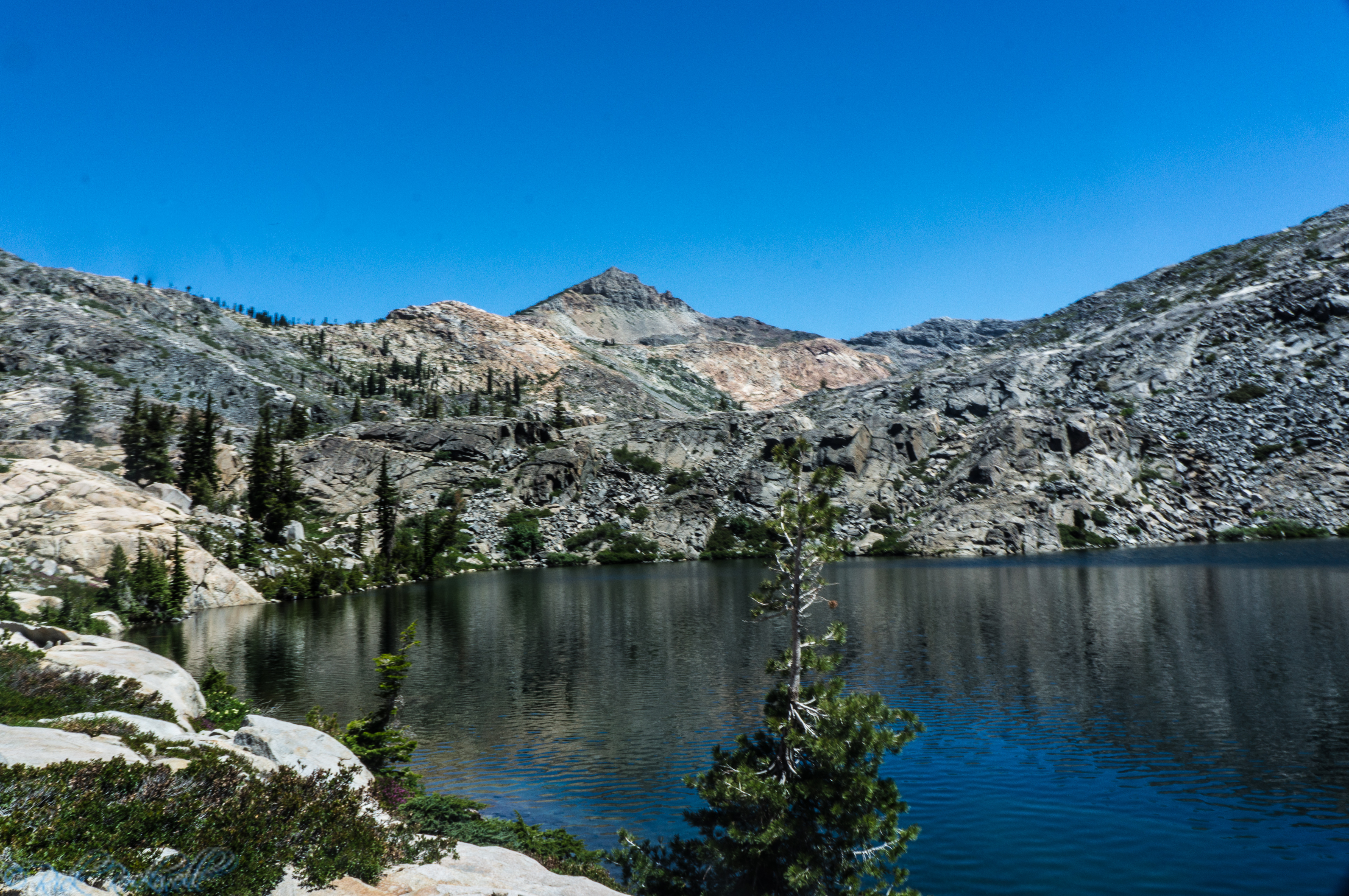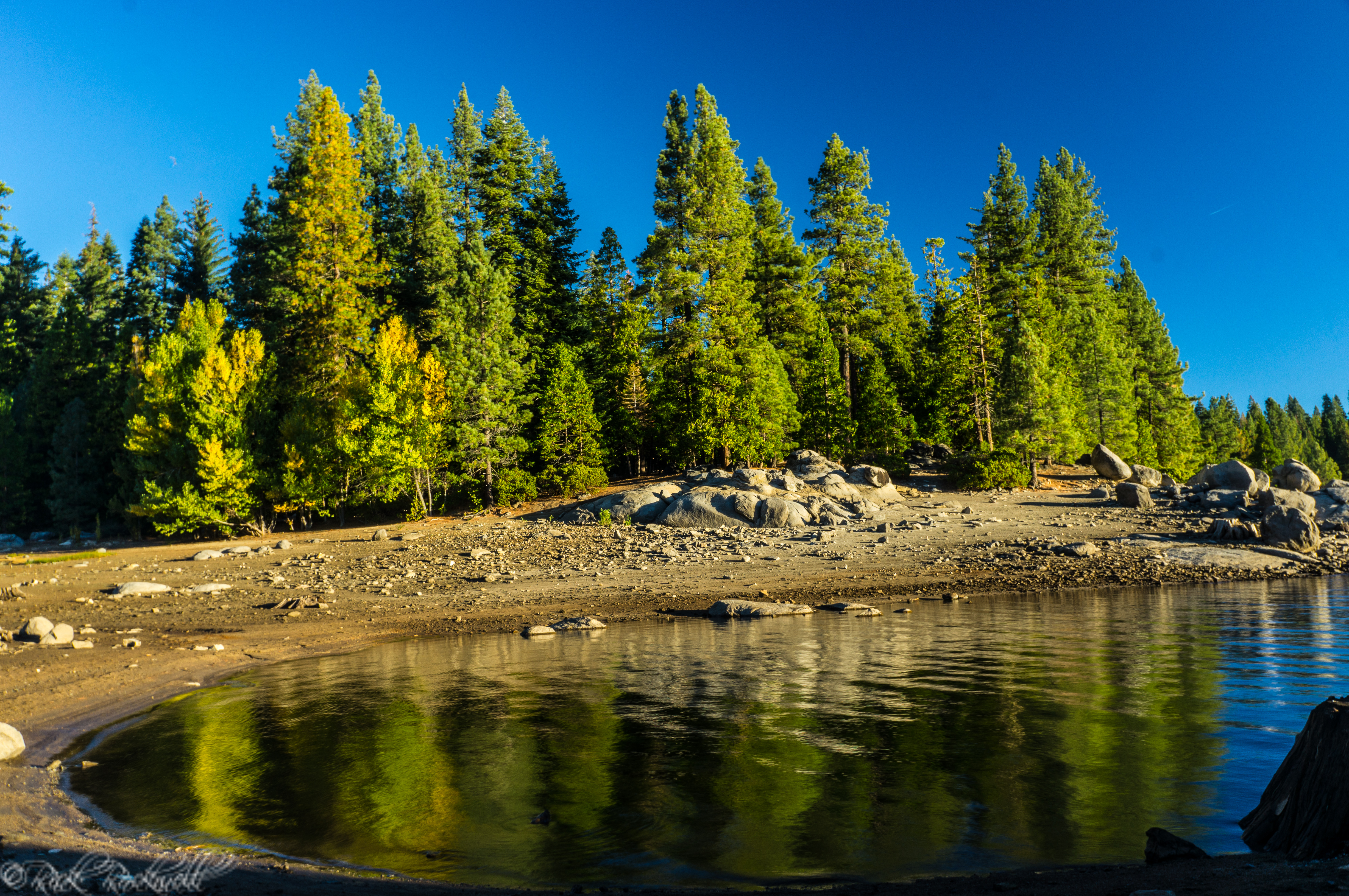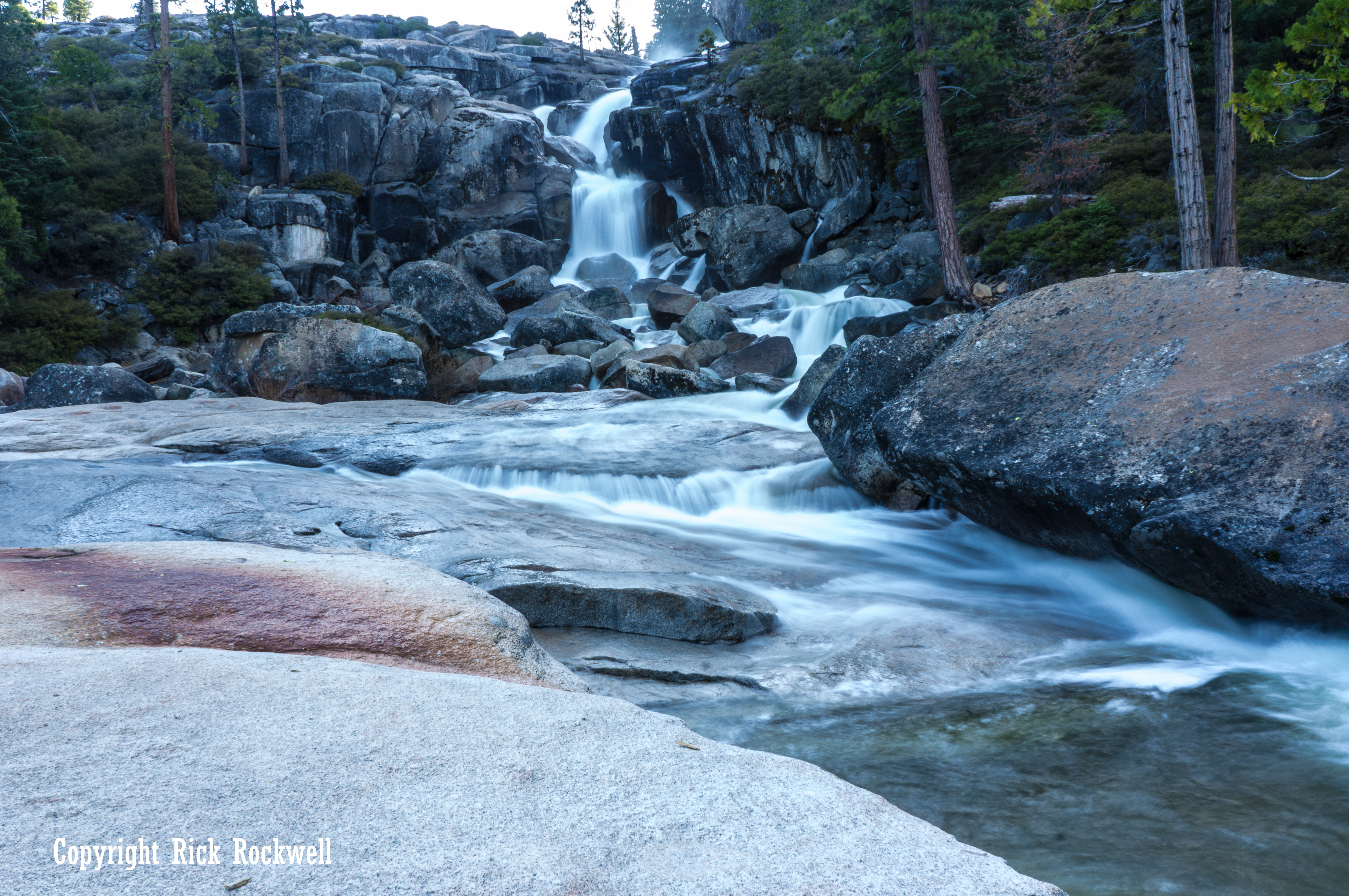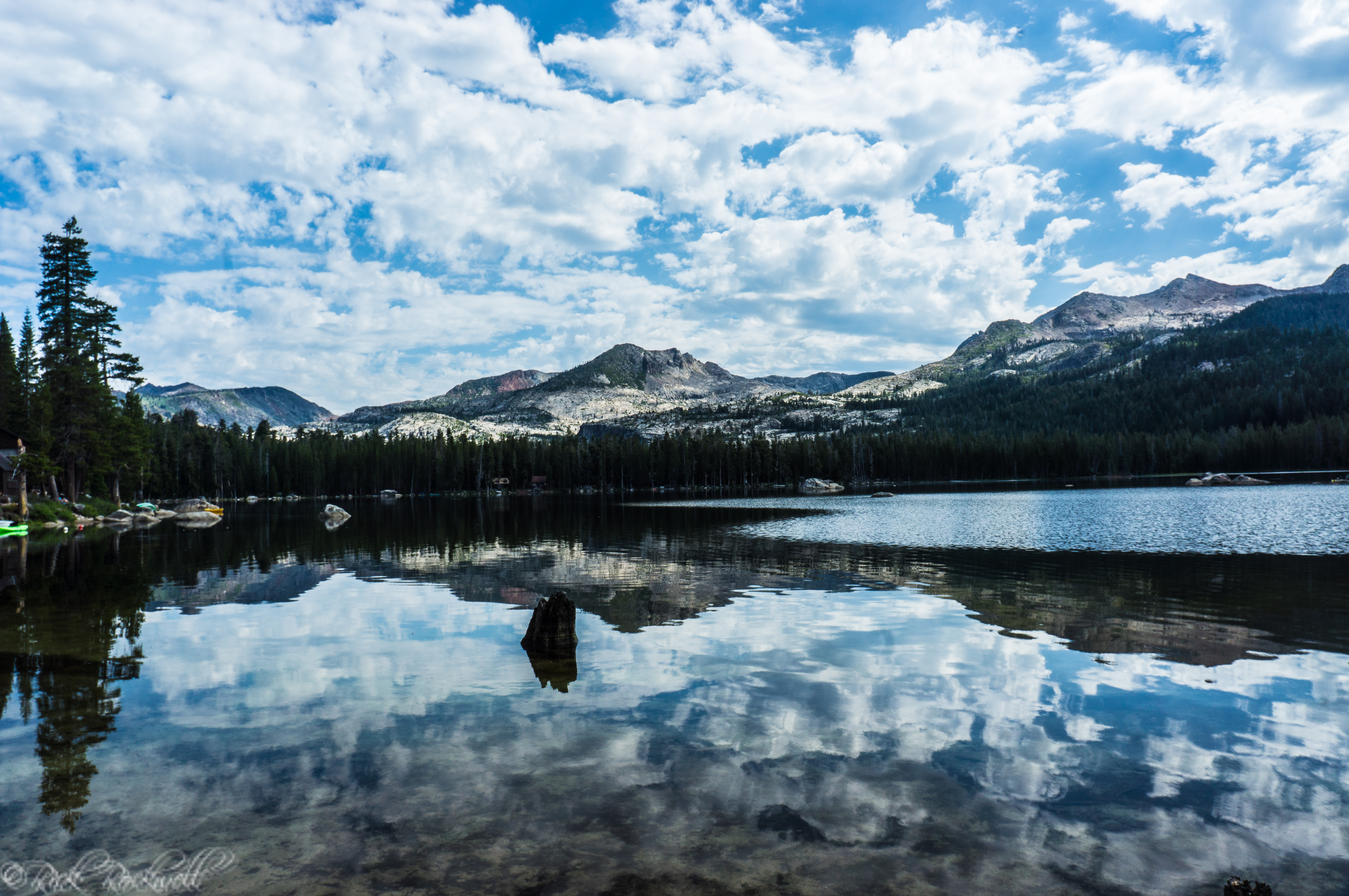
Loon Lake is one of those Sierra places that feels a little more adventurous the moment you arrive. Set high in the Crystal Basin, it mixes boating, fishing, camping, granite scenery, and access to bigger backcountry-style experiences in a way that makes it feel more rugged than the more family-friendly reservoir stops.
Loon Lake is not a place that you visit for an hour or two. It is the kind of place that can anchor an entire weekend of adventurous recreation in a scene that is far more dramatic than its nearby counterparts.
Quick Facts
- Location: Crystal Basin, El Dorado National Forest, El Dorado County, California
- Elevation: About 6,378 to 6,500 feet, depending on facility listing
- Best for: Camping, boating, fishing, swimming, Rubicon access, and Desolation Wilderness access
- Main campground: Loon Lake Campground
- Camping fees: Main campground currently lists $36 single, $72 double, $36 overnight boat-ramp camping
- Trailhead fee: $10 day-use parking fee when open
Where Is Loon Lake?
Loon Lake is in the Crystal Basin area of El Dorado National Forest in El Dorado County, California, on the western slope of the Sierra Nevada. It sits northeast of Placerville and is typically reached from Highway 50 via Ice House Road.
Why Loon Lake is worth visiting
Loon Lake feels a little different from other Crystal Basin destinations. It is bigger, rockier, and wilder-looking than some of the more family-friendly reservoirs farther down the road like Ice House Reservoir and Union Valley Reservoir.
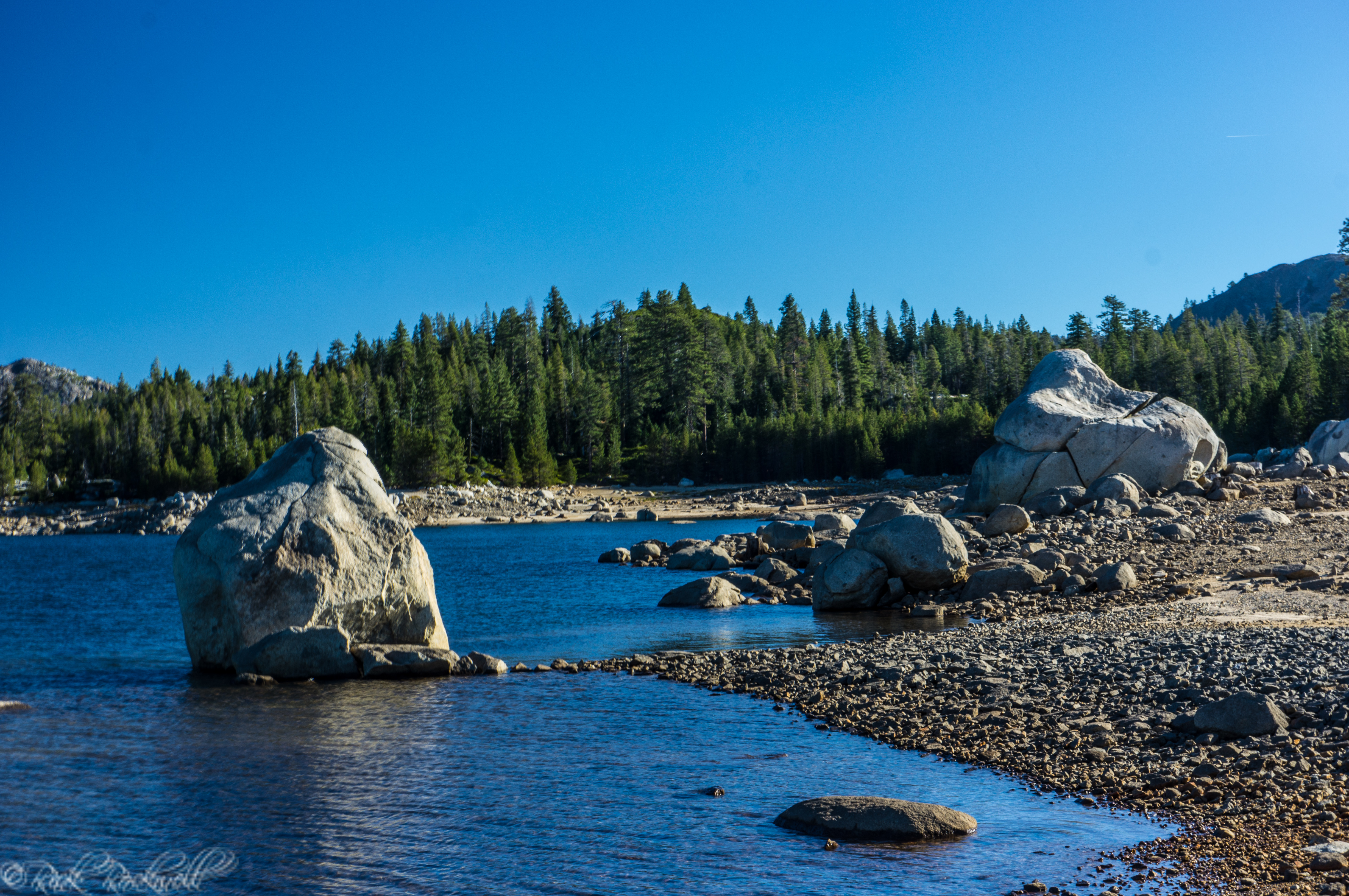
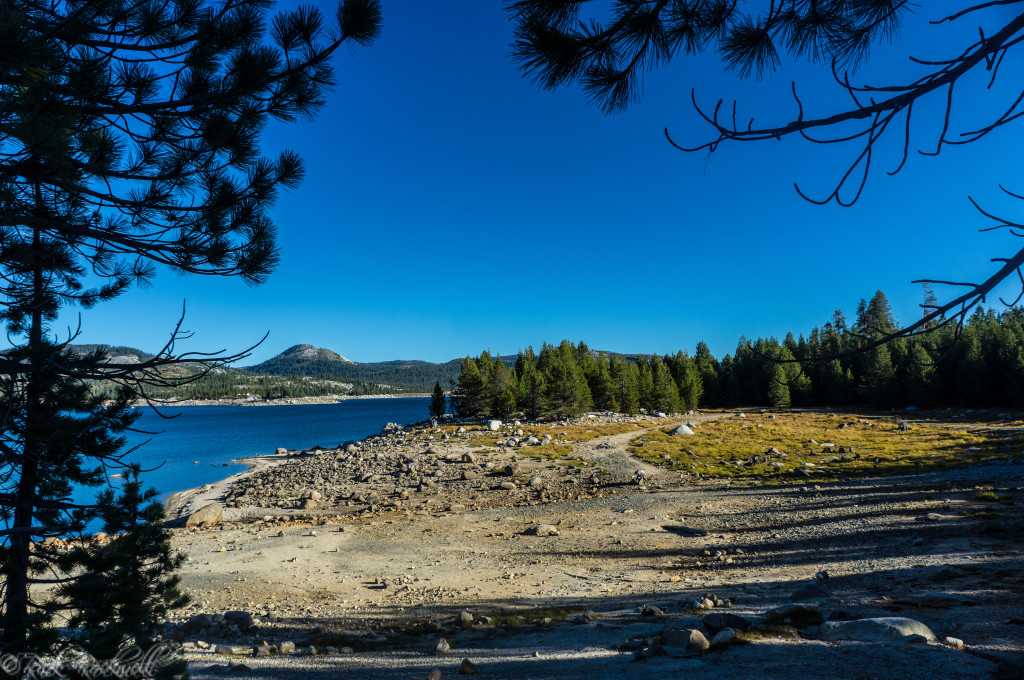
And, that distinction gives Loon Lake a stronger outdoor-adventure vibe. Set high in the Eldorado National Forest, the lake is framed by granite slabs, red fir and lodgepole forest, and broad views toward the Crystal Range.
It works as a boating lake, a fishing lake, a campground lake, a Rubicon gateway, and a jumping-off point for Desolation Wilderness.
Latest visitor details for Loon Lake
Before visiting Loon Lake, it is worth checking current conditions. As of 2026, the Eldorado National Forest website still lists Loon Lake Campground as closed and continues to show reconstruction-related language, though it is not entirely clear from the public pages whether work is still actively underway or the notice has not yet been updated.
The safest takeaway is simple: do not assume normal campground or trailhead access without checking first. For hikers and backpackers, it is also important to remember that Desolation Wilderness requires a permit and campfires are not allowed anywhere in the wilderness
Camping at Loon Lake
Camping is one of the biggest draws at Loon Lake, especially for travelers who want more than a quick lakeside stop. This is the kind of place where you can wake up near the water, spend the day boating or fishing, and still have trail, horse, and off-road access nearby.
Loon Lake Campground highlights:
- 53 standard campsites
- 9 equestrian sites
- 15 boat-ramp camping sites
- 4 accessible campsites
- Typical season: late June through October
Current listed fees:
- Single site: $36
- Double site: $72
- Overnight boat-ramp camping: $36
- Picnic area: $10
- Group Site #1: $160
- Group Site #2: $135
- Equestrian Group Site #3: $130
Amenities include:
- Vault toilets
- Potable water
- Picnic tables
- Bear-proof food storage
- Grills or campfire rings
- Horse access at the main campground
Other campgrounds around Loon Lake
In addition to the main campground, Loon Lake also has the following options:
Northshore Campground: 25 sites that offer a useful alternative for visitors who want to stay near the lake. The site mix includes tent sites, double tent sites, RV-friendly sites, double RV sites, and walk-in tent sites. Current listed fees are $36 for a single family site, $72 for a double, and $5 for an extra vehicle.
Pleasant Campground: a smaller boat-in or hike-in campground on the east shore of Loon Lake, which gives the lake a more remote option for visitors who want something quieter than the main roadside campground setup.
Red Fir Group Campground: a good option for larger gatherings, giving family or class reunions, groups, and club trips a more practical home base near Loon Lake.
Boating, swimming, and lake time
Loon Lake is one of Crystal Basin’s better boating lakes. The lake’s granite shoreline gives it a more rugged feel than some of the lower-elevation reservoirs, and the setting can feel almost alpine in the right light.
This is where Loon Lake really earns its own identity. It is not just a practical boating lake. It looks like a high-country basin that happened to become a recreation hub.
Swimming is also a big part of the Loon Lake experience in summer. However, it’s important to remember that the water is still cold for most of the year.
Fishing at Loon Lake
Fishing at Loon Lake is one of the reasons people come here in the first place. Between the dramatic setting and the chance to catch trout in a lake that is regularly stocked, Loon Lake has the kind of appeal that works for both serious anglers and casual visitors who just want a relaxing morning on the water.
At Loon Lake, you are not just tossing in a line and hoping for the best. Loon Lake is a well-known Crystal Basin fishing spot, and the regular trout plants help back that up. SMUD’s 2026 trout stocking schedule shows 7,000 pounds of rainbow trout planned for Loon Lake this year.
Loon Lake and the Rubicon Trail
One of the things that separates Loon Lake from other reservoirs and lakes in the Crystal Basin, its is its connection to the Rubicon Trail, one of the most legendary four-wheel-drive routes in the country.
According to the Eldorado National Forest, one of the trailheads is accessed right next to the lake, which means Loon Lake is not just a boating-and-camping destination. It is also one of those Sierra places where the paved road starts giving way to something much rougher and more adventurous.
The Rubicon is a difficult to technical route for 4x4s, ATVs, and motorcycles that crosses the Sierra from the Tahoe side to Loon Lake. The Rubicon OHV Trail is easily one of the biggest summer attractions for this region.
While there is no separate Forest Service fee listed just for driving the Rubicon Trail, visitors using the Loon Lake side should note the $10 day-use parking fee at the trailhead. Additionally, wilderness permits are required for Desolation Wilderness access, and don’t forget the strict campfire rules along parts of the route.
Loon Lake Trailhead: Hiking and Desolation Wilderness Access
Loon Lake is also important as a trail access point. The trailhead normally provides access into Desolation Wilderness, and all entry into Desolation requires a wilderness permit.
The following destinations are accessible via the Loon Lake Trail:
Destination | Miles (one way) | Difficulty |
Pleasant Campground | 4.1 | Easy / Moderate |
Spider Lake | 4.5 | Moderate |
Buck Island Lake | 6.1 | Moderate |
Rockbound Lake | 6.7 | Moderate |
Rubicon Reservoir | 8.3 | Moderate |
Camper Flat | 13.7 | Moderate / Difficult |
Pleasant Campground: A backcountry camping destination along the Rubicon Trail corridor, and a good intermediate stop for hikers and backpackers heading deeper into the Loon Lake area.
Spider Lake: Spider Lake is a scenic alpine lake that gives hikers a rewarding destination with classic granite-and-forest Crystal Basin scenery.
Buck Island Lake: One of the best-known backcountry lakes reached from Loon Lake, Buck Island Lake is popular for its expansive water, granite shoreline, and strong backpacking appeal.
Rockbound Lake: Rockbound Lake is a rugged alpine destination that offers a more remote feel and serves as a gateway toward deeper Desolation Wilderness country.
Rubicon Reservoir: Rubicon Reservoir is a larger backcountry water destination that appeals to hikers and backpackers looking for a longer outing.
Camper Flat: Camper Flat is a much farther destination better suited to stronger hikers or backpackers, offering a deeper wilderness-style experience.
Winter Recreation at Loon Lake
Loon Lake is not just a summer lake. Once the snow arrives, the area takes on a very different personality as a winter recreation zone for cross-country skiing, snowshoeing, and snow camping. The area has many miles of marked and unmarked ski terrain, with the best snow conditions from December through April. However, snow can fall as early as September and linger into May, with average winter snow depths of 3 to 8 feet.
The Loon Lake Chalet
For many years now, the Loon Lake Chalet has helped define the winter personality of this area. In fact, it’s the centerpiece of the Loon Lake Winter Recreation Area, and it is easy to see why. Set high in the snow country above the reservoir, it gives the area a true backcountry feel rather than just a trail network on a map.
The Chalet is a three-story building with a second-floor warming room, third-floor loft sleeping space, and capacity for up to 20 people, making it one of the more highly-sought after venues in the Crystal Basin during the winter months. Other amenities include:
Vault toilets attached to the building, accessed from outside
- Potable water
- Picnic tables
- Sleeping space for up to 20 people
- 12 twin-size sleeping pads in the loft, meant to be laid out on the floor and stacked back up at checkout
- Large deck
- Circular parking area, with RVs and trailers allowed
- No horses or pack animals allowed at the site
At the moment, though, the Chalet is closed for reconstruction. Make sure to check official sources for updates on the construction and availability.
The History of Loon Lake
Loon Lake may feel timeless when you are standing on the granite shoreline, but the lake in its current form is the result of more than one chapter of Sierra water history. What visitors see today is not simply a natural mountain lake. It is a reshaped high-country basin that moved from an early mining-and-irrigation water source to a modern hydroelectric reservoir tied to one of the largest mountain water projects in this part of California.
The First Dam and the Older Loon Lake
Loon Lake’s water story started long before the modern reservoir. An earlier dam was built here in 1872, when this part of the Sierra was being developed as a source of stored mountain water for mining and irrigation on the Georgetown Divide.
That older version of Loon Lake belonged to a different California. It was part of the era when mountain water was being captured and redirected to support mining districts, farms, and foothill communities. In that period, Loon Lake was valuable not because it was scenic, but because it could store water and release it when people downstream needed it most.
The Modern Loon Lake
The Loon Lake visitors see today took shape when SMUD rebuilt the site as part of the Upper American River Project. The older dam was dismantled in 1962, the present 108-foot-high rockfill dam was completed in 1963, and the lake became part of a much larger hydroelectric system designed to capture and move Sierra snowmelt for downstream power generation.
The project also changed the basin itself, expanding the reservoir and tying it to the Buck Island–Loon Lake Tunnel, the auxiliary dam, and the underground Loon Lake Powerhouse more than 1,100 feet below the reservoir.
How Did Loon Lake Get Its Name?
The name Loon Lake goes back at least to the early 1870s, decades before the modern reservoir. An 1874 California Water Company report already refers to the “Loon Lake main ditch,” and by 1883 the lake was being listed among El Dorado County’s notable Sierra lakes.
By 1890, the name was prominent enough that a local water company adopted the title “Loon Lake Water and Power Company,” which shows it had become a well-established geographic name in the region long before the modern dam project reshaped the lake.
While there isn’t an official source stating how the lake got its name, the most likely explanation is the simplest: the lake was probably named for the loon waterbird.
Loon Lake Urban Legends or Local Lore
Like the other bodies of water nearby, Loon Lake doesn’t have any local or well-known California urban legends. Yet, this lake definitely gives off haunted vibes in the dead of the night. And part of that is how Loon Lake looks in the daytime, as well. It has a distinct feel that separates the Lake from the rest of the Crystal Basin.
Things To Do Near Loon Lake
- Ice House Reservoir: Ice House is a natural companion stop if you are building a larger Crystal Basin trip. It gives you another option for boating and camping with a slightly lower-elevation, and more of a relaxed family-lake vibe.
- Wrights Lake: Wrights Lake is a strong nearby addition for travelers who want a more alpine, trailhead-centered experience. It pairs well with Loon Lake because it shifts the day from rugged scenery to quieter high-lake country.
- Union Valley Reservoir: Union Valley is the biggest lake in the basin and a good contrast to Loon Lake. It offers larger-scale boating, many seasonal campgrounds, and more of the central-hub feel for Crystal Basin recreation.
- Rubicon Trail: Even if you are not running the full trail, the Rubicon connection is one of the defining nearby experiences. It gives Loon Lake an edge in adventure that many reservoirs simply do not have.
- Desolation Wilderness access: For hikers and backpackers, Loon Lake functions as one of those launchpads into Desolation Wilderness.
- Bassi Falls: If you are looking for waterfalls, then check out Bassi Falls; the best waterfall of the Crystal Basin.
Loon Lake Is a Must-Visit Crystal Basin Destination
Loon Lake is one of those Sierra Nevada places that feels more rugged and more versatile than first imagined. It’s a lake where you can boat, fish, swim, camp nearby, use the Rubicon Trail, head into Desolation Wilderness, and also have just as much fun during the winter months as the summer season.
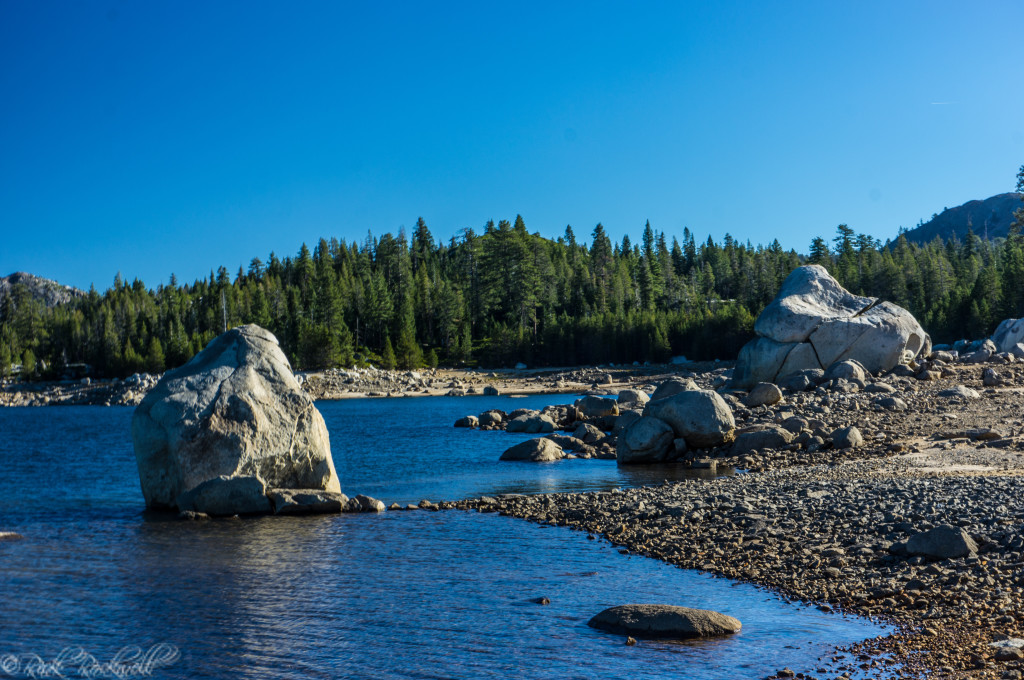
The biggest takeaway from my visits to Loon Lake is just how different it looks compared to nearby Union Valley Reservoir, Ice House Reservoir, and Wrights Lake. Loon feels like you are in a completely different region especially with its giant boulders along the shoreline. I highly recommend adding Loon Lake to your Crystal Basin adventures.
FAQ about Loon Lake
Is Loon Lake open right now?
Parts of the area are open, but the main campground and trailhead are currently closed for reconstruction while the boat ramp and day-use parking area remain open for day use only.
How much does camping cost at Loon Lake?
Current Forest Service fees list $36 for a single site, $72 for a double, $36 for overnight boat-ramp camping, and separate group and equestrian rates at the main campground. Northshore Campground is currently listed at $36 for a single site and $72 for a double.
How many campsites are at Loon Lake Campground?
The main campground currently lists 53 sites plus 9 equestrian sites, along with 15 boat-ramp camping sites.
Can you boat at Loon Lake?
Yes. Loon Lake is one of Crystal Basin’s primary boating lakes, with a boat ramp and established day-use access.
Is Loon Lake good for fishing?
Yes. Official sources highlight trout fishing, and SMUD’s 2026 stocking schedule shows Loon Lake receiving summer rainbow trout plants totaling 7,000 pounds.
Is Loon Lake a good base for the Rubicon Trail or Desolation Wilderness?
Yes. One Rubicon access point is adjacent to the lake, and the trailhead area is a known access point for Desolation Wilderness when open.
Sources
Eldorado National Forest, Loon Lake Area: https://www.fs.usda.gov/r05/eldorado/recreation/loon-lake-area
Eldorado National Forest, Loon Lake Campground: https://www.fs.usda.gov/r05/eldorado/recreation/loon-lake-campground
Eldorado National Forest, Loon Lake Trailhead: https://www.fs.usda.gov/r05/eldorado/recreation/loon-lake-trailhead
Eldorado National Forest, Northshore Campground: https://www.fs.usda.gov/r05/eldorado/recreation/northshore-campground
Eldorado National Forest, Pleasant Campground: https://www.fs.usda.gov/r05/eldorado/recreation/pleasant-campground
Eldorado National Forest, Red Fir Group Campground: https://www.fs.usda.gov/r05/eldorado/recreation/red-fir-group-campground
Eldorado National Forest, Loon Lake Chalet: https://www.fs.usda.gov/r05/eldorado/recreation/loon-lake-chalet
Eldorado National Forest, About the Area: https://www.fs.usda.gov/r05/eldorado/about-area
Recreation.gov, Loon Lake Campground: https://www.recreation.gov/camping/campgrounds/232070
SMUD, Crystal Basin Recreation Area: https://www.smud.org/In-Our-Community/Visit-our-Recreational-Areas/Crystal-Basin
SMUD, 2025 Rainbow Trout Stocking Schedule: https://www.smud.org/-/media/Documents/In-Our-Community/Recreational-Areas/Crystal-Basin-Trout-Plants.ashx
California Department of Water Resources, Dams within Jurisdiction, 2025: https://water.ca.gov/-/media/DWR-Website/Web-Pages/Programs/All-Programs/Division-of-Safety-of-Dams/Files/Publications/Annual-Data-Release/2025/DAMS-WITHIN-JURISDICTION-OF-THE-STATE-OF-CALIFORNIA-DAMS-LISTED-ALPHABETICALLY-BY-COUNTY-SEPT-2025.pdf
California Division of Safety of Dams / state dam records https://www.waterboards.ca.gov/water_issues/programs/cannabis/docs/ferc_license/ferc_p2101_upper_american.pdf
Wikipedia – Loon Lake https://en.wikipedia.org/wiki/Loon_Lake_%28California%29