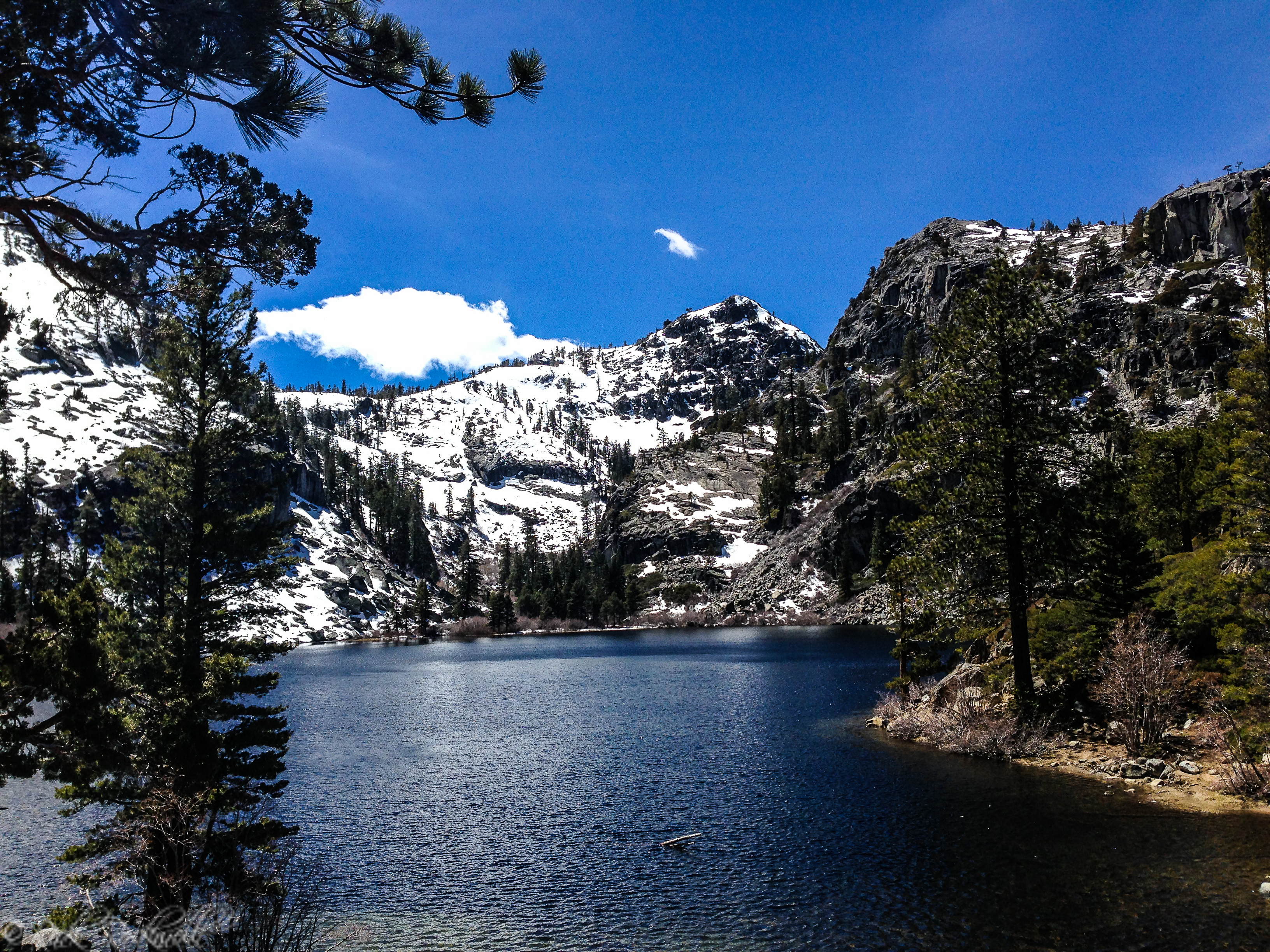
Twin Lakes Trail is one of the most popular trailheads in the entire Crystal Basin. Located near Wrights Lake, this trail gives hikers a straightforward path to reaching alpine lakes, granite landscapes, and Desolation Wilderness without starting from one of the busier Tahoe access points.

Starting at the Twin Lakes Trailhead, this trail works both as a wilderness gateway and as a day-hike launch for destinations like Twin Lakes, Boomerang Lake, Grouse Lake, and Island Lake. While it can be used by casual hikers, the Twin Lakes Trail is best designed for experienced hikers looking to spend the day in Desolation Wilderness’s higher elevations and challenging terrains.

Twin Lakes Trail Quick Facts

  • Location: Wrights Lake area, Eldorado National Forest
  • Primary use: Access to Desolation Wilderness and several alpine lakes
  • Trailhead: Twin Lakes Trailhead
  • Parking fee: $10 per vehicle per day at trailhead
  • Permits: All entry into Desolation Wilderness requires a permit
  • Restrooms: Vault toilets at the trailhead

Where Is Twin Lakes Trail?

The Twin Lakes Trail begins at the Trailhead with the same name. It’s found in the Wrights Lake area of Eldorado National Forest, northeast of Placerville. It’s reached by taking Highway 50 and then Wrights Lake Road. You can also take the back route from Ice House Road to Wrights Lake Road.

Why Twin Lakes Trail Stands Out

What makes Twin Lakes Trail different than many other Crystal Basin hikes, is its versatility as hikers can head out to the marquee lakes or extend their trip into an overnight, backpacking adventure.

The Trailhead offers a sizable parking lot, so there’s a chance that you can still find parking even during busy weekends and seasons. Additionally, the Twin Lakes Trail offers destinations for fishing and quieter parts of Desolation Wilderness.

Also, the trail offers quite the contrast in scenery. The desired mountain lakes provide alpine, granite scenery that gives a rugged, refreshing, and desirable reward. However, the initial departure from the trailhead is quite beautiful.

Near the Trailhead Display, is a little stream that passes under a small bridge known as Chappell Crossing, which is in honor of a ranger who spent many years teaching kids and families about the area. It’s an optimal spot for photos depending on the season and time of day.

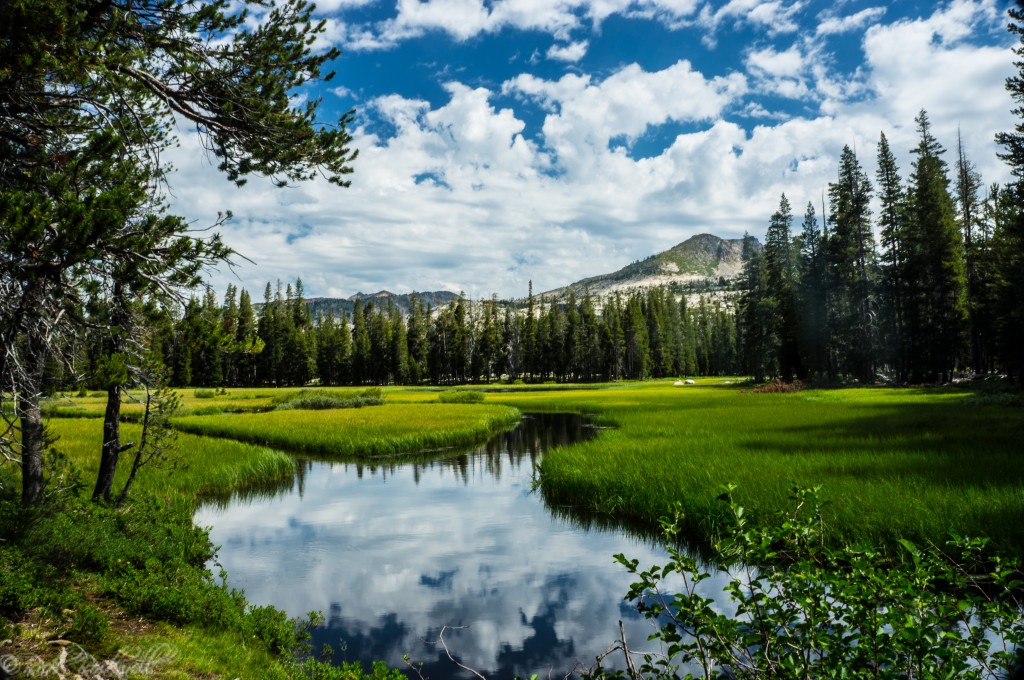
Following that charming point of interest, you will head out into an open area – Wrights Meadows. It’s a lush green landscape with water flowing through and the mountains standing tall in the background. A great place for picnics and photos.

A view of Wrights Lake Meadow
Wrights Lake Meadow

Twin Lakes Trailhead: Amenities, Fees and Rules

The Twin Lakes Trailhead shares an identical name with the trail along with the Upper and Lower Twin Lakes along this hike. To use this trailhead, a $10 fee is required for parking. However, if you own an overnight Desolation Wilderness permit, then the fees are waived.

In addition to parking, the Trailhead also offers: vault toilets and wilderness permits. If you want picnic tables, grills, fire rings and other amenities, then you will have to visit the Wrights Lake campgrounds.

Permits: Do You Need One?

Yes, if you are entering Desolation Wilderness, you need a wilderness permit. The Twin Lakes Trail requires that anyone entering Desolation Wilderness fill out a day-use permit. There are no fees associated with this permit.

However, if you plan on camping overnight in Desolation Wilderness, then you will need to fill out an overnight permit prior to arrival. Overnight permits are required year-round and have limited availability from Memorial Day through the end of September.

Rules and Restrictions to Know Before You Go

Twin Lakes Trail is for day use only unless you have a valid overnight Desolation Wilderness permit. Additionally, campfires are not allowed on this trail, at the trailhead or anywhere in Desolation Wilderness. If you are using an on/off gas camp stove or lantern, you need a California campfire permit.

The Twin Lakes Trail is a non-motorized and non-mechanized trail. That means only hiking and horseback are allowed.

Always check for closures to the Trailhead and Wrights Lake Road, which both occur during the winter months. To access this Trailhead or trail in the winter, you will need to be a skilled snowshoer.
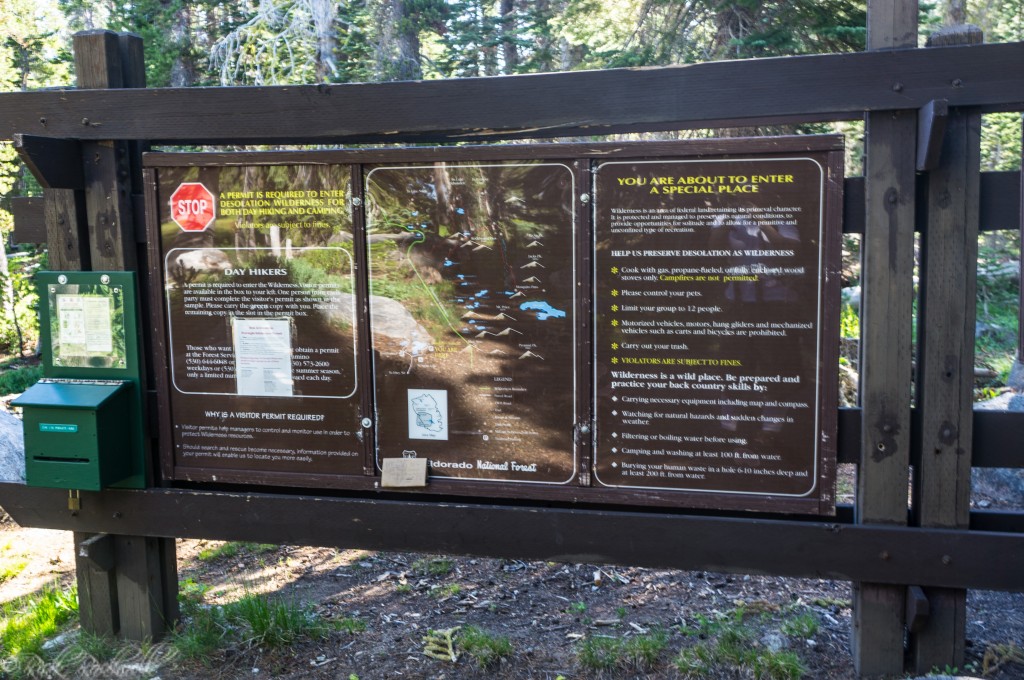
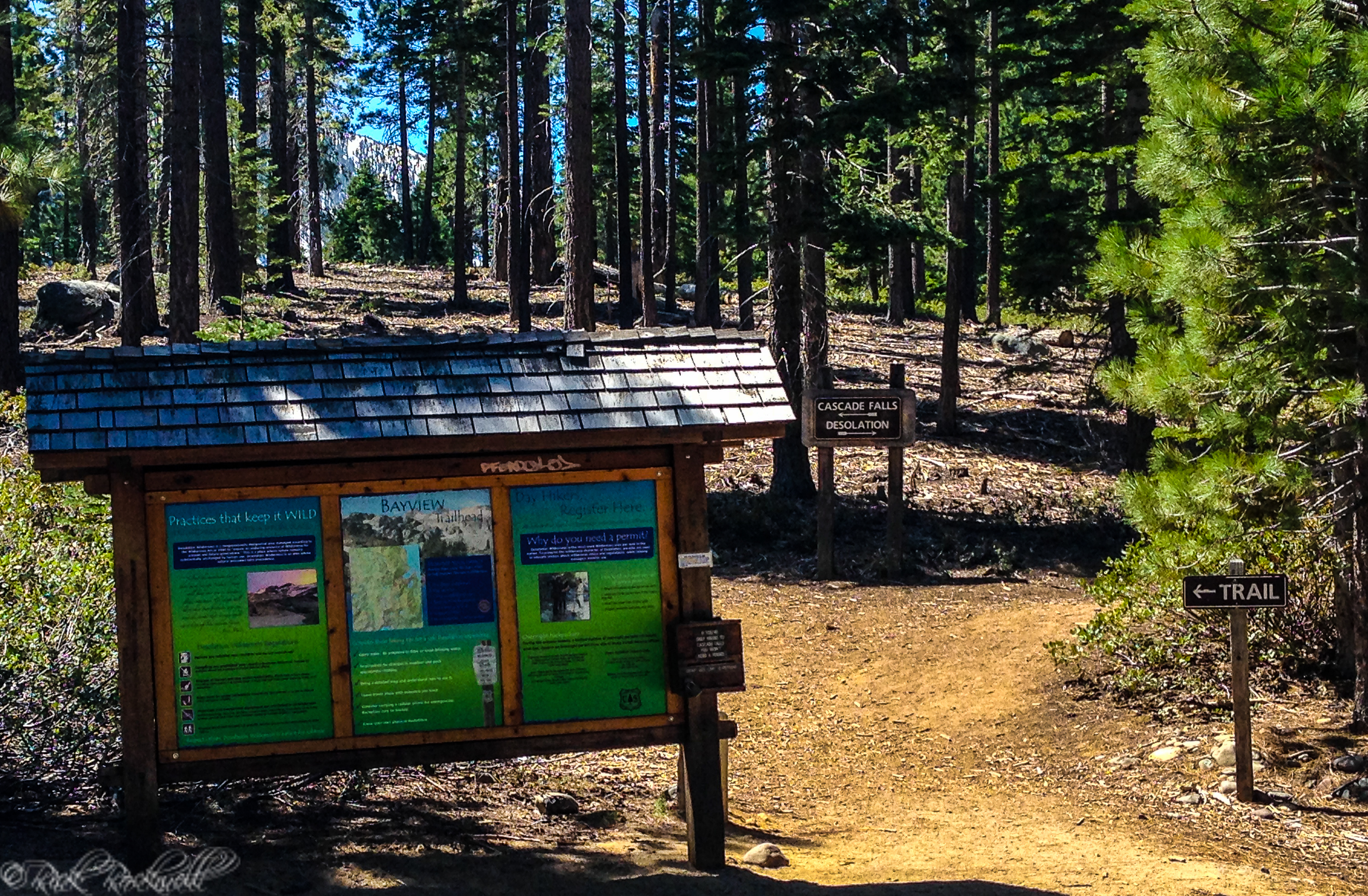
A picture of the Twin Lakes Trail sign, Map display, Permit box
Trail sign, Map display, Permit box
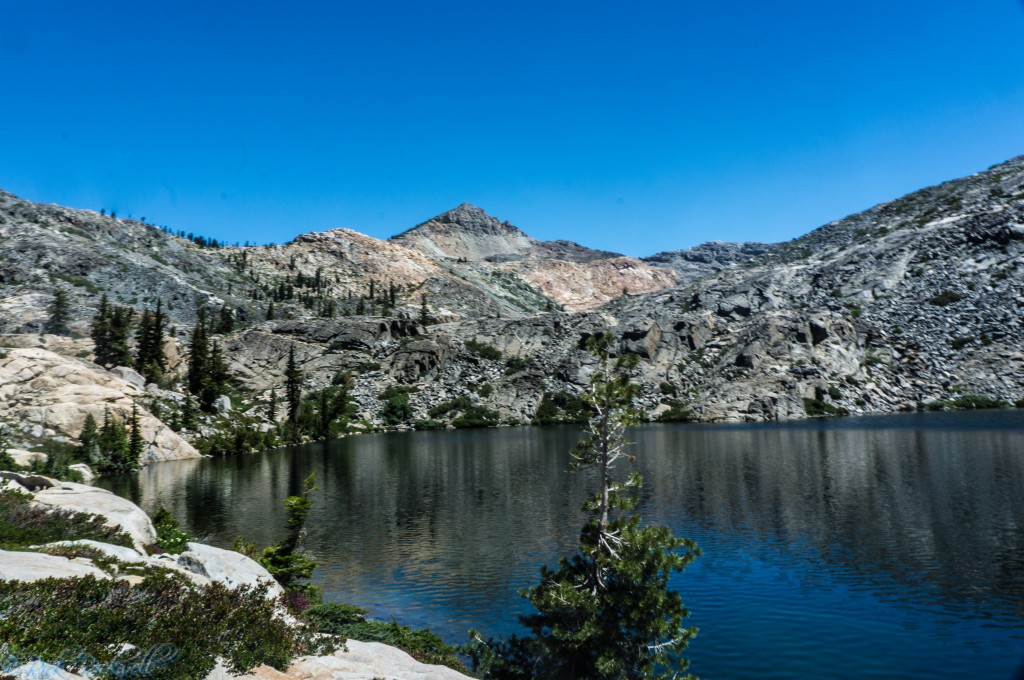
Twin Lakes Trail Destinations

One of the most important things to know about the Twin Lakes Trail is that the early route does not commit you to just one destination. After the initial departure from the trailhead, the trail splits, with one direction continuing toward Twin Lakes and the other breaking off toward Grouse Lake.

That fork is what makes this trail more versatile than it first appears: hikers can choose the more classic Twin Lakes route or turn toward Grouse Lake for a steeper, more demanding wilderness option.

Twin Lakes Trail Distances

Destination

Miles (one way)

Difficulty

Grouse Lake

2.1

Moderate/Difficult

Hemlock Lake

2.6

Difficult

Smith Lake

3.0

Difficult

Twin Lakes

3.0

Moderate

Boomerang Lake

3.1-3.3

Moderate

Island Lake

3.5

Moderate


Grouse Lake

Grouse Lake is 2.1 miles one way from Twin Lakes Trailhead and sits at about 8,420 feet, making it one of the shorter official lake hikes from this trailhead, though the Forest Service rates it moderate/difficult. It is a good choice for hikers who want a quicker alpine payoff with a steeper, more demanding feel than Twin Lakes.

Hemlock Lake

Hemlock Lake is 2.6 miles one way from the trailhead and sits at about 8,400 feet. The Forest Service rates it difficult, so it works better for hikers looking for a tougher climb and a quieter high-country lake than for casual first-timers.

Smith Lake

Smith Lake is officially listed at 3.0 miles one way from Twin Lakes Trailhead, and it sits at over 8,000 feet elevation. It is one of the more strenuous lake options on this trail and is more ideal for hikers who want a harder outing than the standard Twin Lakes trip.

Twin Lakes

Twin Lakes is the namesake destination from the trailhead at 3.0 miles one way and about 8,100 feet in elevation. It’s considered a moderate hike, which is ideal for most hikers looking for a scenic wilderness adventure without the steeper climbs.

Boomerang Lake

Boomerang Lake if often overlooked by official sources, but this lake is just beyond Twin Lakes which makes it roughly 3.1 to 3.3 miles one way from the trailhead. It sits at an elevation of at least 8,100 feet.

Island Lake  

Island Lake is officially listed at 3.5 miles one way from the trailhead, and at an estimated 8,200 feet in elevation.  multiple hiking sources place it at roughly 8,120 to 8,146 feet. It is one of the best “keep going a little farther” rewards on the Twin Lakes Trail because of its dramatic granite scenery. It’s often described as the best-looking lake on this trail.

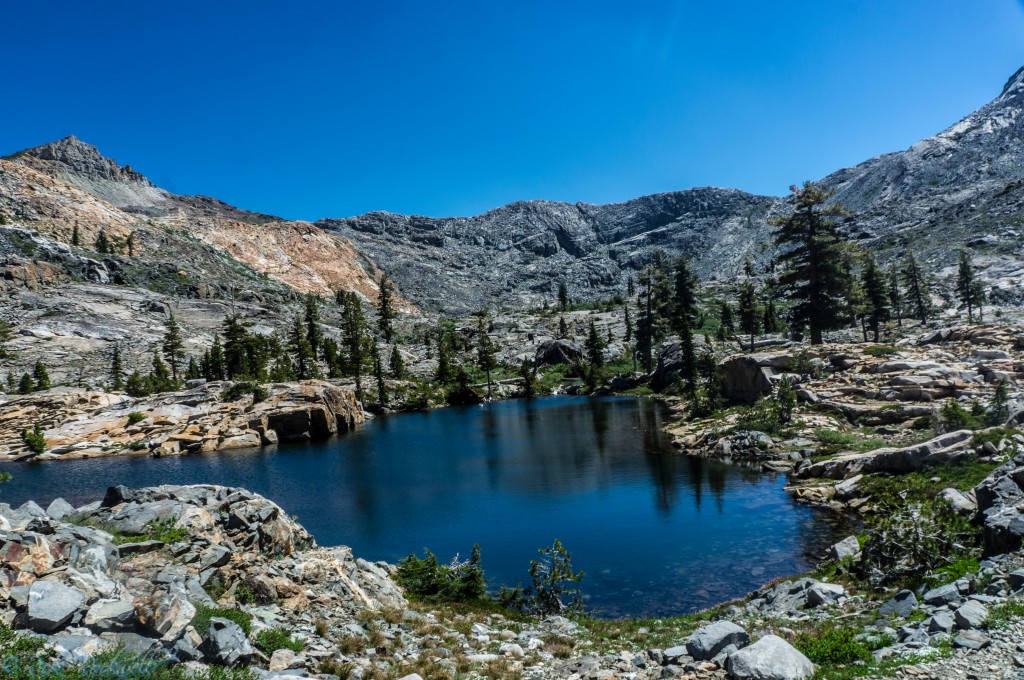
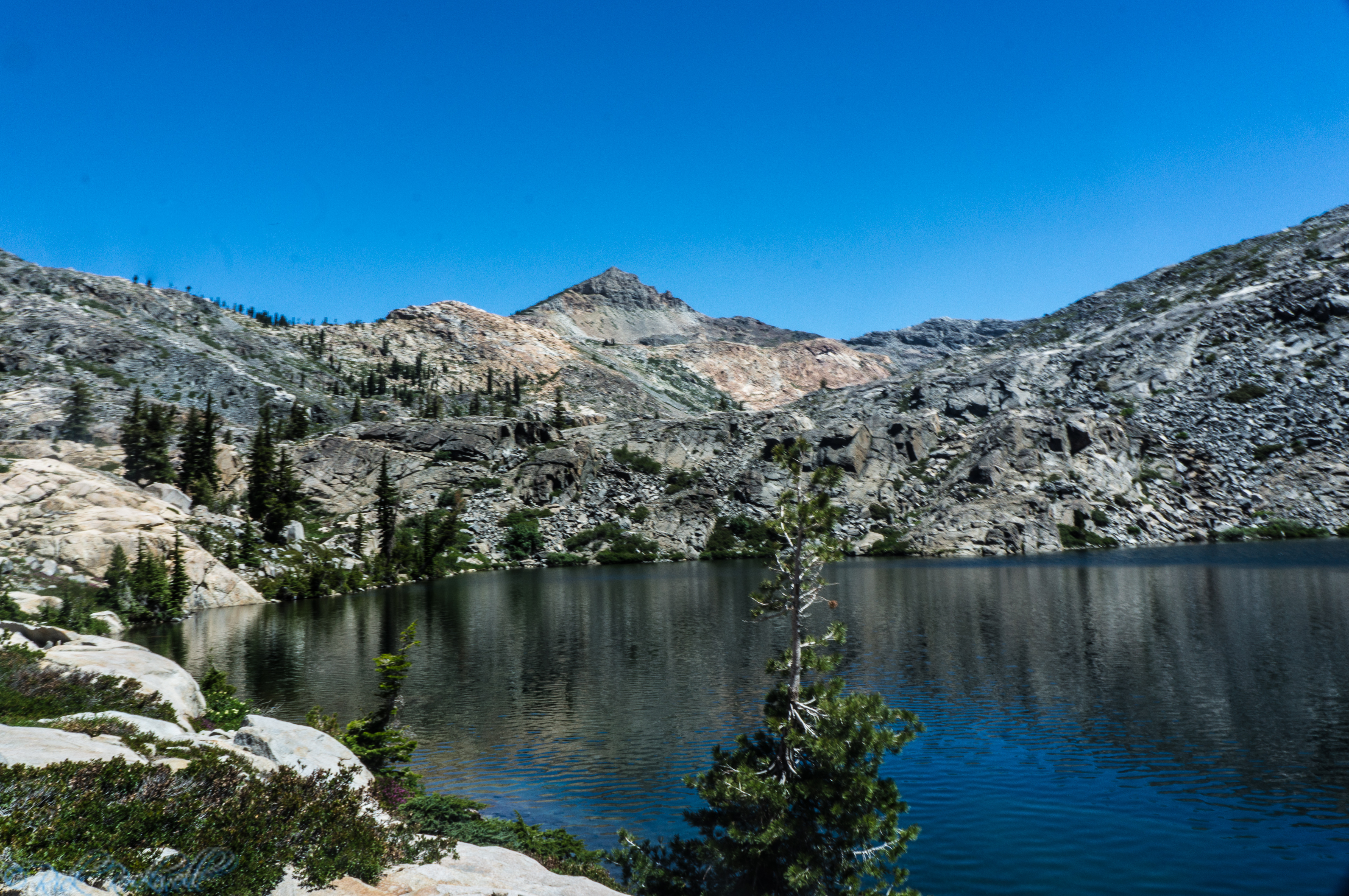
A view of Boomerang Lake
Boomerang Lake

How Twin Lakes Trail Compares to Rockbound Trail

Twin Lakes Trail and Rockbound Trail are the two key trails with trailheads near Wrights Lake. They both have similar rules and amenities. The primary difference is user intent.

The Twin Lakes Trail is more suitable for hikers targeting and of the destinations mentioned above. And, who are fit enough for moderate-rated hikes. Rockbound Trail is more suitable for hikers who are looking for deeper, harder wilderness destinations beyond the Rockbound Valley.

Is Twin Lakes Trail Good for Families or Casual Hikers?

The Twin Lakes Trail is not a paved, interpretive walk or a flat stroll through the Crystal Basin. This is a true Sierra trail that includes elevation gains of at least 1,300 feet, weather changes, exposed areas, and wilderness entry.

Just because there is a trailhead with parking and vault toilets, doesn’t mean this is an easy trail. Instead, the Twin Lakes Trail is better suited for visitors who have experience hiking in Desolation Wilderness and higher elevations. You must be prepared to hike on this trail and not treat it like a roadside stop.

Things To Do Near Twin Lakes Trail

Twin Lakes Trail is not only a popular destination for hiking, but it can also be part of a bigger Crystal Basin adventure, because the surrounding Basin gives you a mix of alpine lakes, reservoirs, waterfalls, and scenic drives rather than just one wilderness-trail experience.

  • Wrights Lake — Wrights Lake is the obvious nearby pairing, giving visitors a charming lake with camping, kayaking, fishing, and easy day-use access before or after a hike.
  • Bassi FallsBassi Falls is one of the best nearby waterfall hikes in the Crystal Basin and makes a great side trip when the falls are flowing well.
  • Union Valley ReservoirUnion Valley Reservoir is the biggest recreation hub in Crystal Basin, known for boating, swimming, camping, fishing, and broad open-water scenery.
  • Ice House ReservoirIce House Reservoir is one of the basin’s best-known summer lake destinations, popular for camping, paddling, fishing, and easy-access mountain views.
  • Loon LakeLoon Lake has a more rugged, high-country feel and is a favorite for granite scenery, boating, fishing, and access to more adventurous backcountry routes.
  • Gerle Creek ReservoirGerle Creek Reservoir is a quieter and smaller stop than the larger basin reservoirs, making it a good fit for a more relaxed fishing or paddling outing.
  • Robbs Hut — Robbs Hut adds a historic backcountry angle to the Crystal Basin area as a year-round mountain shelter with deep ties to the region’s recreation history.
  • Jones Place — Jones Place is one of those lesser-known Crystal Basin spots that adds extra local depth and interest for visitors exploring beyond the main recreational destinations.
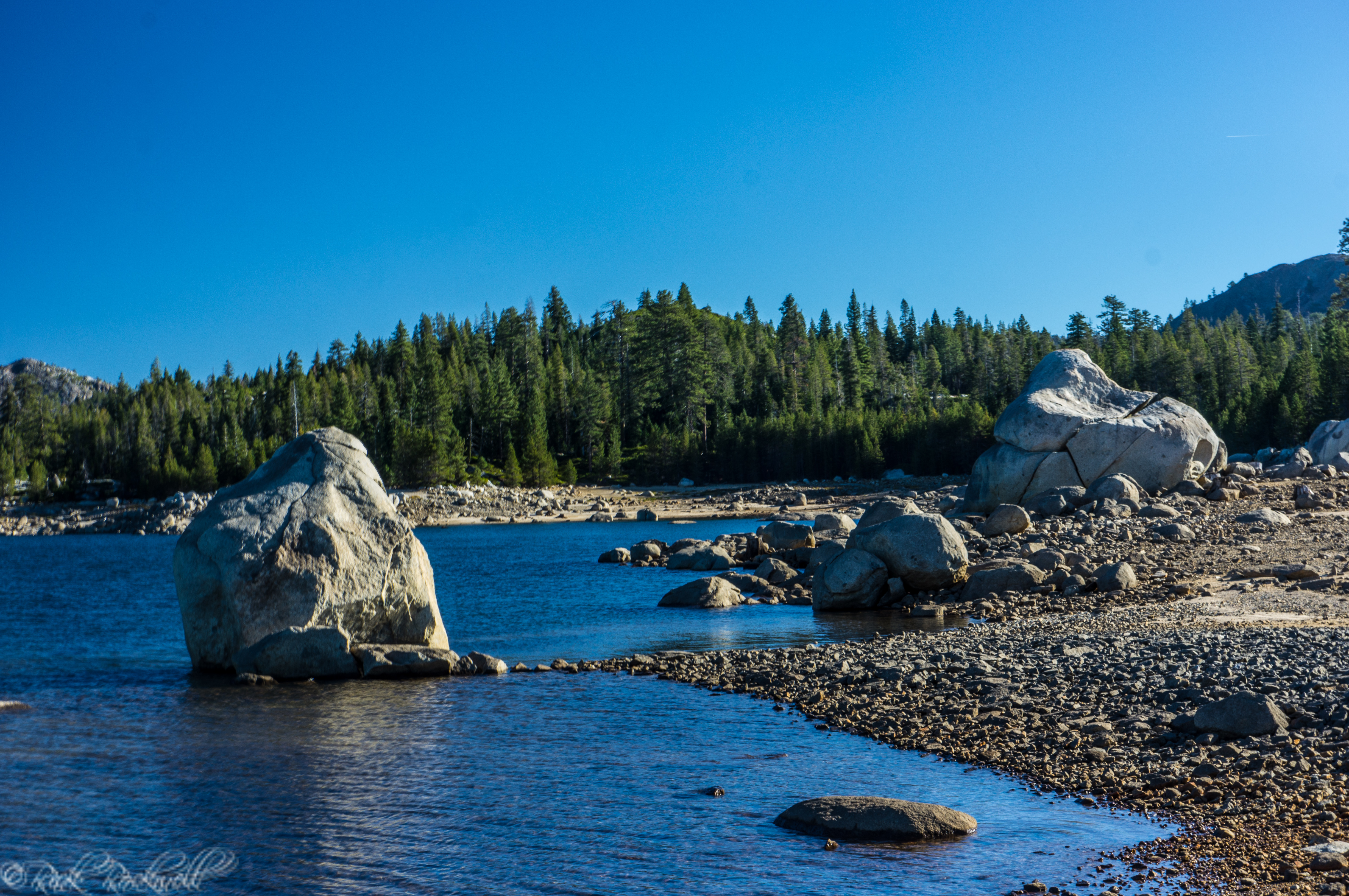
A view of Lower Twin Lakes
Lower Twin Lakes

Is Twin Lakes Trail Worth Visiting?

Yes, especially if you want a trail near Wrights Lake that opens up to more than a half-dozen mountain lakes. If you want a wilderness adventure, backcountry fishing, or a less crowded entry into Desolation Wilderness than from the Tahoe side, this trail has it all.

Always make sure to check for closures and road conditions before heading out. And, remember, there is a fork in the trail that takes you into two different directions. The Twin Lakes path is less difficult than the Grouse lake path.

The Twin Lakes Trail is quite possibly the best trail in the entire Crystal Basin due to its versatility, trailhead parking, and close proximity to Wrights Lake. It’s one of my favorite Sierra trails outside of the Lake Tahoe region and one that I often head back out on every few summers.

Twin Lakes Trail and Trailhead FAQ

Where is Twin Lakes Trailhead?

Twin Lakes Trailhead is in the Wrights Lake area of Eldorado National Forest and serves as an access point into Desolation Wilderness.

How long is the hike to Twin Lakes?

Twin Lakes is 3.0 miles one way from Twin Lakes Trailhead and rated as a moderate hike.

What other lakes can you reach from Twin Lakes Trailhead?

Grouse Lake (2.1 miles), Hemlock Lake (2.6 miles), Smith Lake (3.0 miles), Twin Lakes (3.0 miles), Boomerang Lake (3.2), and Island Lake (3.5 miles) one way from Twin Lakes Trailhead.

Do you need a permit for Twin Lakes Trail?

Yes. The Forest Service says all day-hike entry into Desolation Wilderness requires a wilderness permit.

Is there a parking fee at Twin Lakes Trailhead?

Yes. Twin Lakes Trailhead has a $10 per vehicle per day parking fee.

Is Twin Lakes Trailhead day use only?

Yes, unless you have a valid overnight Desolation Wilderness permit.

How hard is Twin Lakes Trail?

Twin Lakes itself is rated moderate by the Forest Service, which makes it one of the more approachable alpine lake hikes from this trailhead. Other lake options off the same trail system, like Grouse and Hemlock, are rated harder.

What is the best time of year to hike from Twin Lakes Trailhead?

Summer into early fall is the most dependable time for hiking from Twin Lakes Trailhead.

Can you fish along the Twin Lakes Trail route?

Yes. The Forest Service specifically ties Twin Lakes Trailhead to fishing access for Twin Lakes, Grouse Lake, and Hemlock Lake. It lists Twin Lakes at about 8,100 feet, Grouse Lake at 8,420 feet, and Hemlock Lake at 8,400 feet.

Are campfires allowed on Twin Lakes Trail?

No campfires are allowed anywhere in Desolation Wilderness.

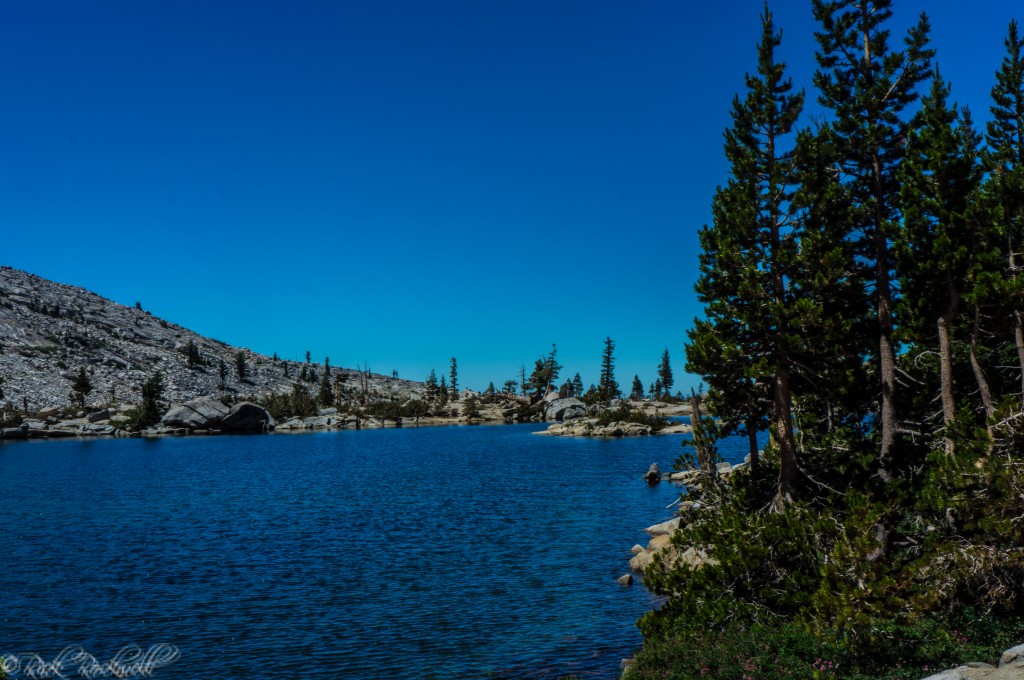
A view of Upper Twin Lake
Upper Twin Lake

Sources

  • S. Forest Service, Twin Lakes Trailhead: https://www.fs.usda.gov/r05/eldorado/recreation/twin-lakes-trailhead
  • S. Forest Service, Wrights Lake Area: https://www.fs.usda.gov/r05/eldorado/recreation/wrights-lake-area
  • S. Forest Service, Fishing – Eldorado National Forest: https://www.fs.usda.gov/r05/eldorado/recreation/opportunities/fishing
  • S. Forest Service, Desolation Day Use Permits & Parking: https://www.fs.usda.gov/r05/eldorado/wilderness/desolation-day-use-permits-parking
  • gov, Desolation Wilderness Permit: https://www.recreation.gov/permits/233261
  • S. Forest Service, Wrights Lake Campground: https://www.fs.usda.gov/r05/eldorado/recreation/wrights-lake-campground
[mc4wp_form id="4451"]
Close
error: Content is protected !!