California Ghost Towns: Abandoned Towns, Gold Rush Relics, and Hidden History

California ghost towns are some of the most fascinating and overlooked travel destinations in the American West. Scattered across deserts, mountains, foothills and valleys, these abandoned settlements tell stories of boom-and-bust economies, Gold Rush dreams, and forgotten communities.


From the well-preserved streets of Bodie State Historic Park to lesser-known ruins hidden in the Mojave Desert, exploring California ghost towns offers a unique blend of history, mystery, and adventure.


Whether you’re a history enthusiast, photographer, or amateur explorer, this guide covers the best ghost towns in California, how to visit them, and what makes each one worth the journey.

California Ghost Towns: Quick Facts

  • Best Known Ghost Town: Bodie State Historic Park
  • Total Ghost Towns in California: 300+ documented sites
  • Most Popular Regions: Eastern Sierra, Mojave Desert, Northern Gold Country
  • Best Time to Visit: Fall and spring (avoid desert summer heat)
  • Most Accessible Ghost Town: Calico Ghost Town
  • Most Remote Experience: Cerro Gordo
  • Family-Friendly Option: Calico Ghost Town
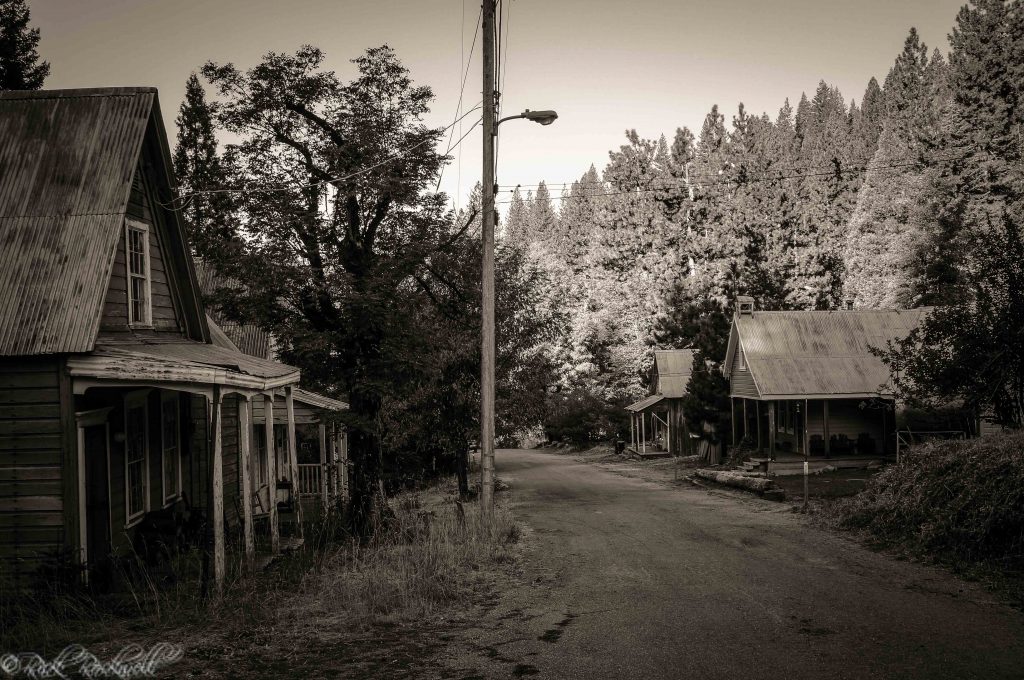
Looking down the main street of Forest City
View of Forest City's Main Street

What Is a Ghost Town?

A ghost town is a once-populated settlement that has been abandoned or nearly abandoned. In California, most ghost towns originated during:

  • The California Gold Rush (1848–1855)
  • Silver and mining booms
  • Railroad expansions
  • Agricultural declines

Today, these towns range from fully preserved historic parks to scattered ruins reclaimed by nature.

Why California Has So Many Ghost Towns

California’s landscape is uniquely suited for ghost towns due to its history of rapid economic booms and busts.

Key reasons include:

  • Gold Rush expansion: Thousands rushed to California seeking fortune
  • Mining collapse: Once resources ran out, towns emptied quickly
  • Remote locations: Many towns were isolated and unsustainable
  • Natural disasters: Fires, floods, and harsh weather forced abandonment

The result is one of the largest collections of ghost towns in the United States.

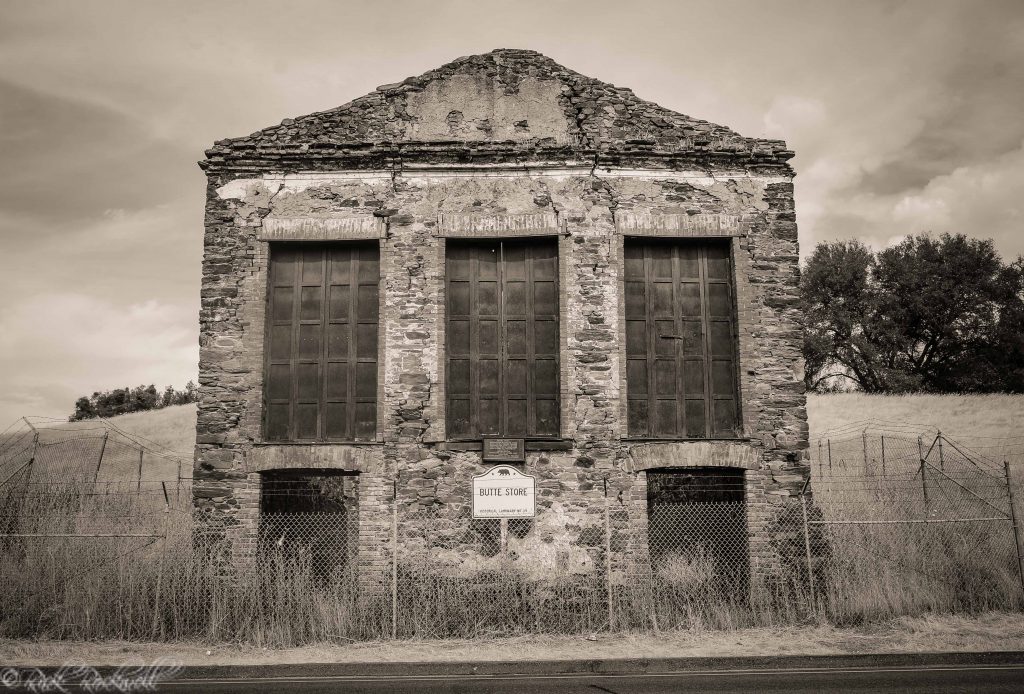
Front view of Butte Store
The historic Butte Store of the once existing Butte City

Types of California Ghost Towns

California ghost towns aren’t all the same. Each type reflects a different chapter of the state’s history – from Gold Rush booms to desert or railroad abandonment. Understanding these categories helps you choose the kind of ghost town experience you’re looking for.

Mining Ghost Towns (Gold & Silver Boomtowns)

These are the most iconic California ghost towns, built during the Gold Rush and later mining booms. When resources ran out, towns were quickly abandoned.

Examples of California Mining Ghost Towns

Railroad Ghost Towns

These towns rose and fell with the railroad industry. When routes changed or demand declined, entire communities disappeared.

Examples of Railroad Ghost Towns:

Desert Ghost Towns

Located in harsh desert environments, these towns were often abandoned due to extreme conditions and isolation.

Examples of Desert Ghost Towns:

  • Ballarat
  • Panamint City

Living Ghost Towns

These towns were never fully abandoned and still have small populations, blending historic structures with modern life.

Examples of Living Ghost Towns:

Restored/Tourist Ghost Towns

These ghost towns have been preserved or rebuilt for visitors, offering a more accessible and educational experience.

Examples of Restored/Tourist Ghost Towns:

Ruins and Hidden Ghost Towns

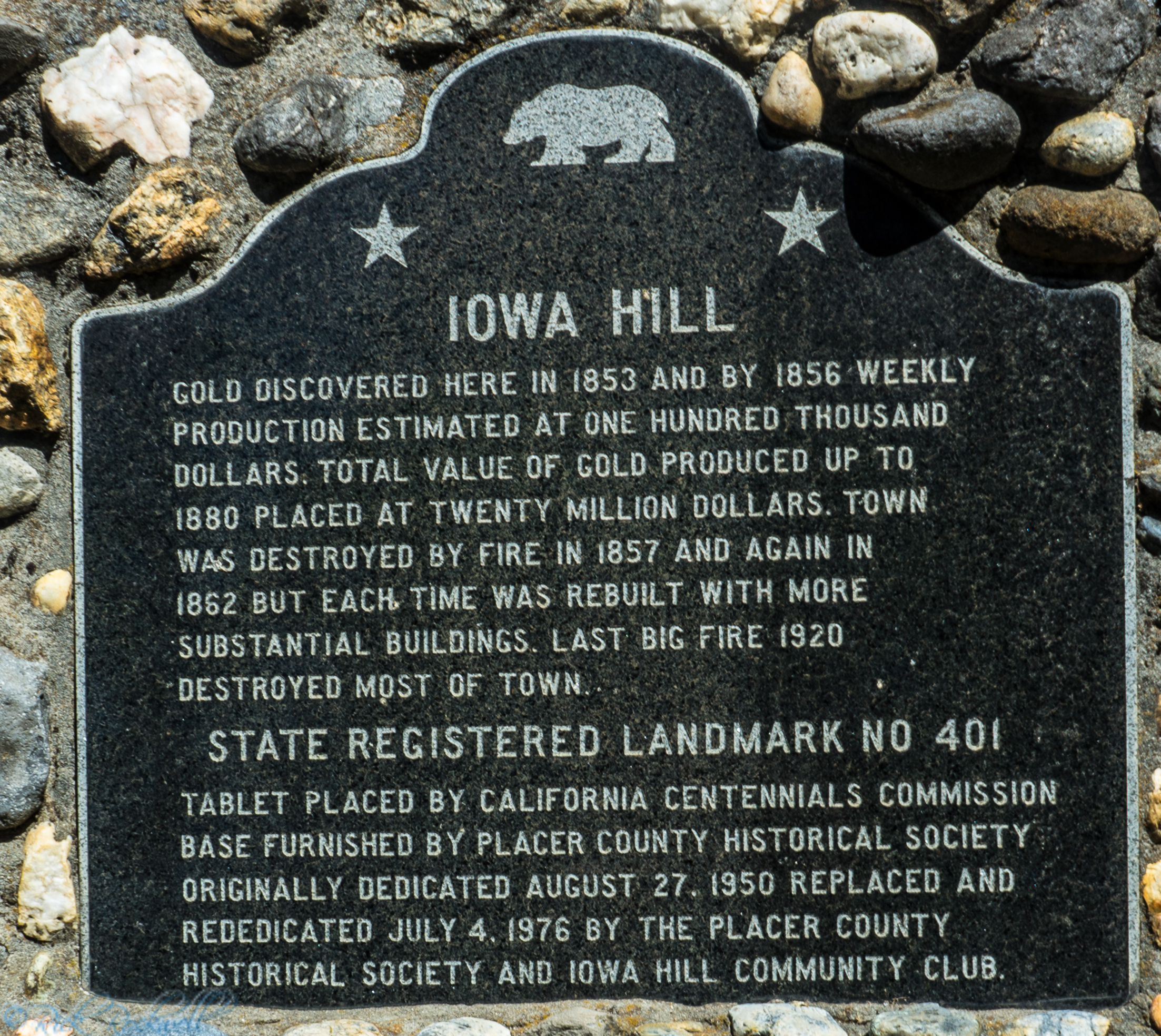
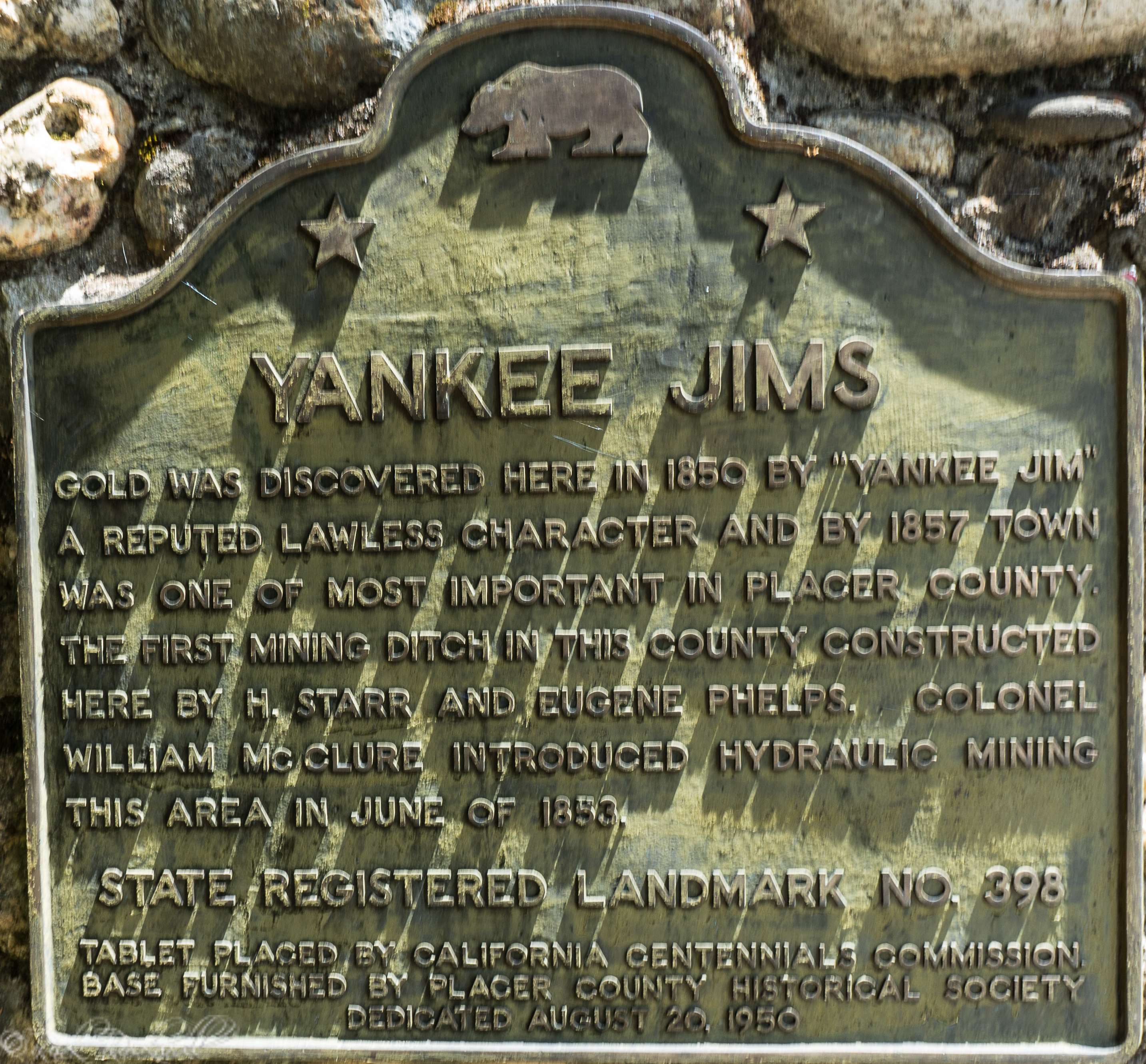
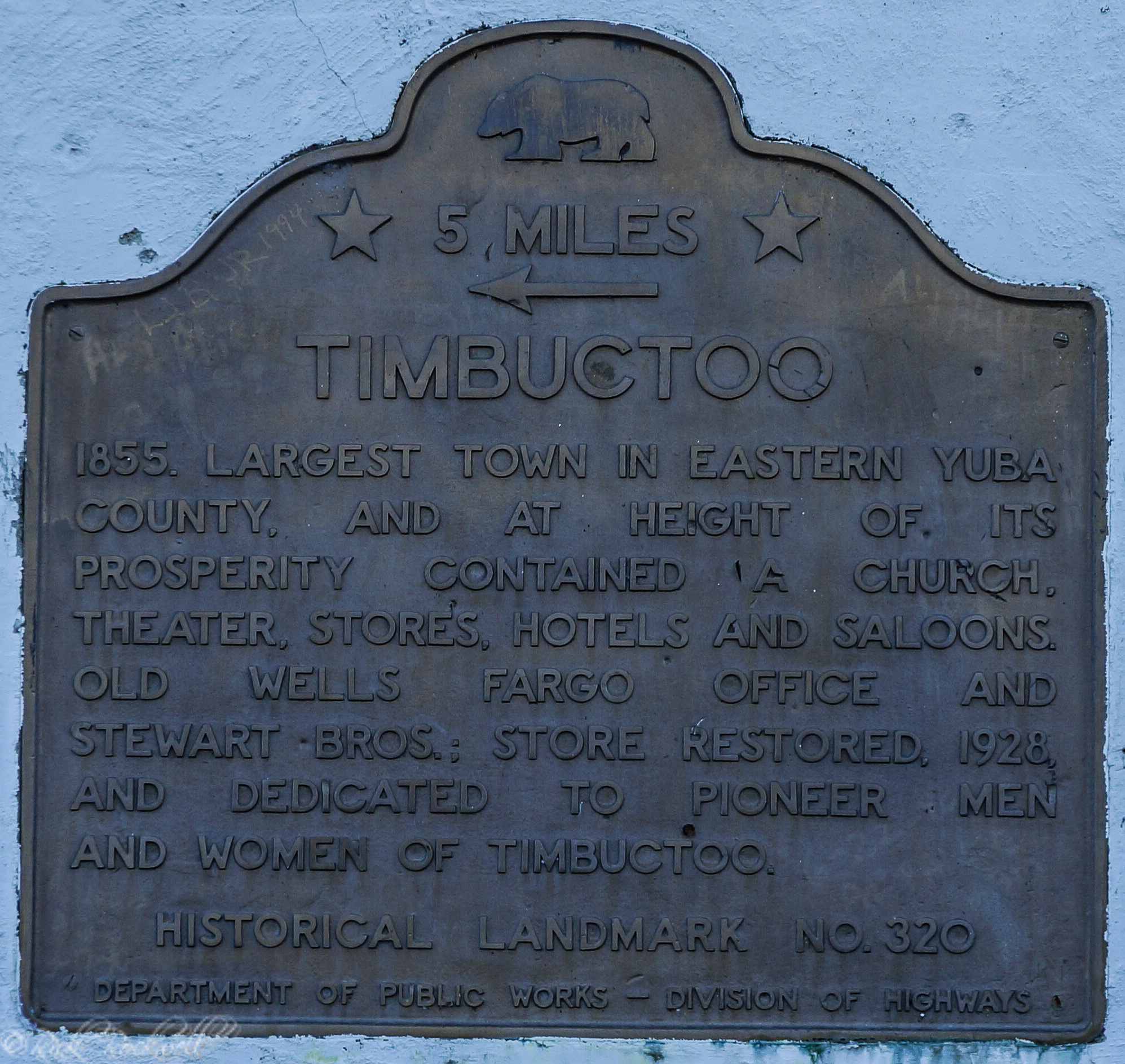
Some ghost towns have nearly disappeared, leaving only foundations, scattered debris, or remote ruins behind. And, in most of these cases, there’s a historic plaque detailing the towns that used to reside there.

Examples of Ruins and Hidden Ghost Towns

Underwater Ghost Towns

Long since abandoned, these underwater ghost towns are submerged underneath some of California’s most popular lakes and reservoirs only to be seen during severe droughts or underwater explorations.

Examples of Underwater Ghost Towns:

  • Mormon Island
  • Monticello
  • Kennett
Towns being submerged by Shasta Lake
Shasta Lake submerging abandoned towns

California Ghost Town Types Comparison

California ghost towns can be grouped into several types based on their history, location, and level of preservation. Here’s a quick comparison to help you choose where to explore.

Type of Ghost Town

Description

Notable Examples

Mining Ghost Towns

Built during Gold Rush and mining booms; abandoned after resources depleted

Bodie State Historic Park, Cerro Gordo, Malakoff Diggins State Historic Park

Railroad Ghost Towns

Developed around train routes; declined when rail lines changed

Kelso Depot, Kingston, Mojave, Thurman

Desert Ghost Towns

Located in harsh desert environments; abandoned due to isolation and extreme conditions

Ballarat, Panamint City

Living Ghost Towns

Partially abandoned but still inhabited by small populations

Randsburg, Darwin, Johannesburg

Restored / Tourist Ghost Towns

Preserved or rebuilt for visitors with tours and attractions

Calico Ghost Town, Columbia State Historic Park

Ruins & Hidden Ghost Towns

Minimal remains; often just foundations or scattered structures

Panamint City, Butte City, Garlock

Underwater Ghost Towns

These towns are submerged under California lakes and reservoirs.

Mormon Island, Monticello, Kennett

Haunted California Ghost Towns

Many California ghost towns aren’t just abandoned – they’re believed to be haunted, with lingering stories of former residents who never truly left. From their tragic endings to the haunted highways that lead into the ghost towns, these eerie locations add a paranormal layer to the state’s already fascinating past.

Notable examples of haunted California ghost towns include:

  • Bodie State Historic Park – Reports of paranormal activity
  • Cerro Gordo – Ghost sightings, eerie energy and supernatural creatures
  • Calico Ghost Town – Haunted attractions and tours
  • Silver City – Numerous paranormal sightings and investigations

These haunted locations are popular for paranormal enthusiasts, ghost hunters and adventurists looking to embrace California urban legends.

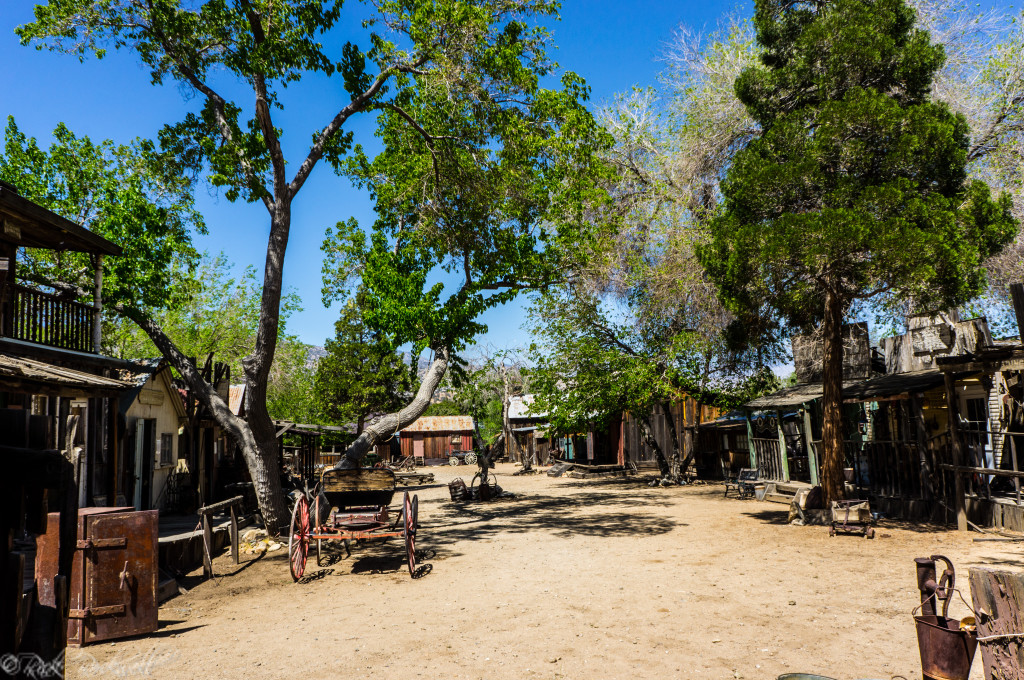
View of Silver City
A view entering Silver City

Tips for Visiting California Ghost Towns

Exploring ghost towns requires preparation, especially in remote areas.

Check Access and Ownership

Some ghost towns are on private land or require permits.

Bring Supplies

  • Water
  • Snacks
  • Navigation tools (Many sites have no services)

Respect Preservation Rules

Removing artifacts is illegal and damages history.

Visit During Daylight

Many locations are unsafe at night due to terrain and wildlife.

Use Proper Vehicles

Some roads require high-clearance or 4WD vehicles.

Why California Ghost Towns Are Worth Exploring

California ghost towns offer more than abandoned buildings—they provide a direct connection to the state’s past.

You can:

  • Walk through authentic Gold Rush history
  • Experience untouched landscapes
  • Discover hidden travel destinations
  • Capture unique photography

For content creators and travelers alike, they’re some of the most compelling places in California.

Best Time to Visit California Ghost Towns

Visit desert ghost towns in fall through spring. Visit mountain locations in late spring through early fall.

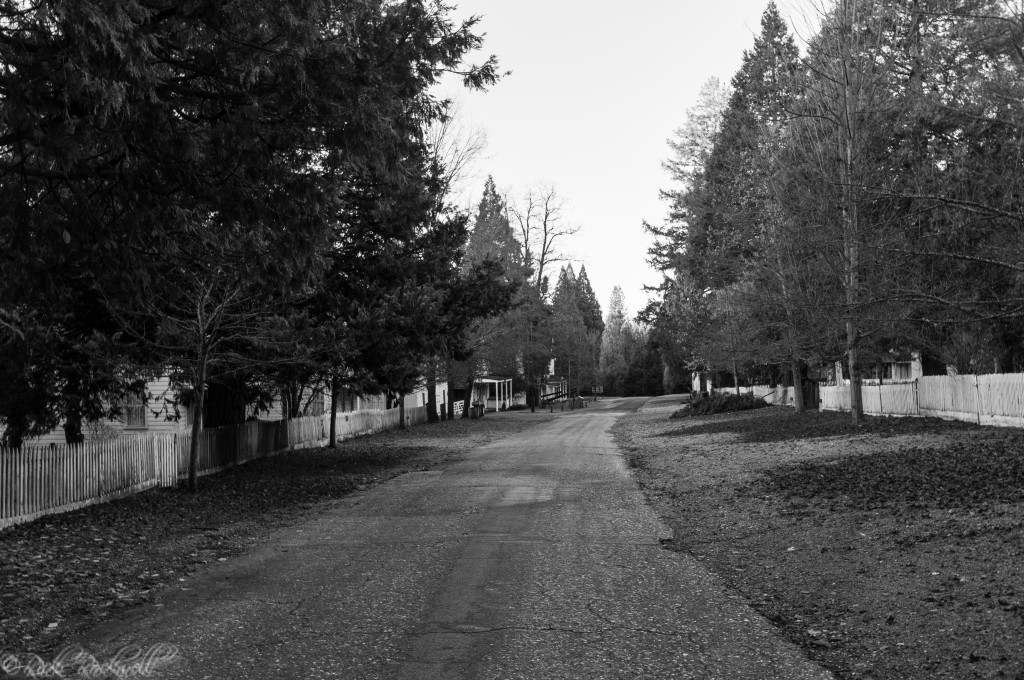
Looking down the main street of North Bloomfield
North Bloomfield main street

FAQ: California Ghost Towns

What is the most famous ghost town in California?

Bodie State Historic Park is widely considered the most famous due to its preservation and accessibility.

Are California ghost towns free to visit?

Some are free, while others (like Bodie and Calico) charge entrance fees.

Are ghost towns safe to explore?

Most are safe if you follow guidelines, but be cautious of unstable structures and remote conditions.

Can you stay overnight in a ghost town?

Generally, no, unless accommodations exist nearby or special permissions are granted.

What should I bring to a ghost town?

Water, food, navigation tools, and appropriate clothing for the environment.

Start Exploring California’s Ghost Towns Today

California ghost towns aren’t just places to read about—they’re meant to be experienced. From the preserved streets of Bodie State Historic Park to the desert remnants of Calico Ghost Town, each destination offers a chance to step directly into the past.

Plan your route, pick your first stop, and start exploring—because some of California’s most unforgettable stories are waiting in places most people are either too busy or too afraid to look.

Recent Ghost Town Posts

Yankee Jim Robinson: The Outlaw Behind a Gold Rush Town and an Enduring Legend

Long before Yankee Jims became the name of a Gold Rush town in Placer County, it was tied to a...

Timbuctoo, CA: a once prominent town of Yuba County’s distant past

Timbuctoo, California was once a booming Gold Rush town in Yuba County—home to thousands of...

Kingston: Robbed of Their Existence and Money!

Kingston was a river town that grew out of necessity only to disappear just as quickly as it rose...

Underwater Towns of California: A look at towns buried in watery graves

Many of California’s lakes and reservoirs provide endless fun for visitors along with other vital...

Forest City: Sierra County’s authentic Gold Rush ghost town

Forest City, appropriately named because of its location in the Tahoe National Forest, was settled...

Nevada County’s lost and forgotten town of Cherokee

One of the many Gold Rush towns to have graced and disappeared from Nevada County was the once...

Close
error: Content is protected !!