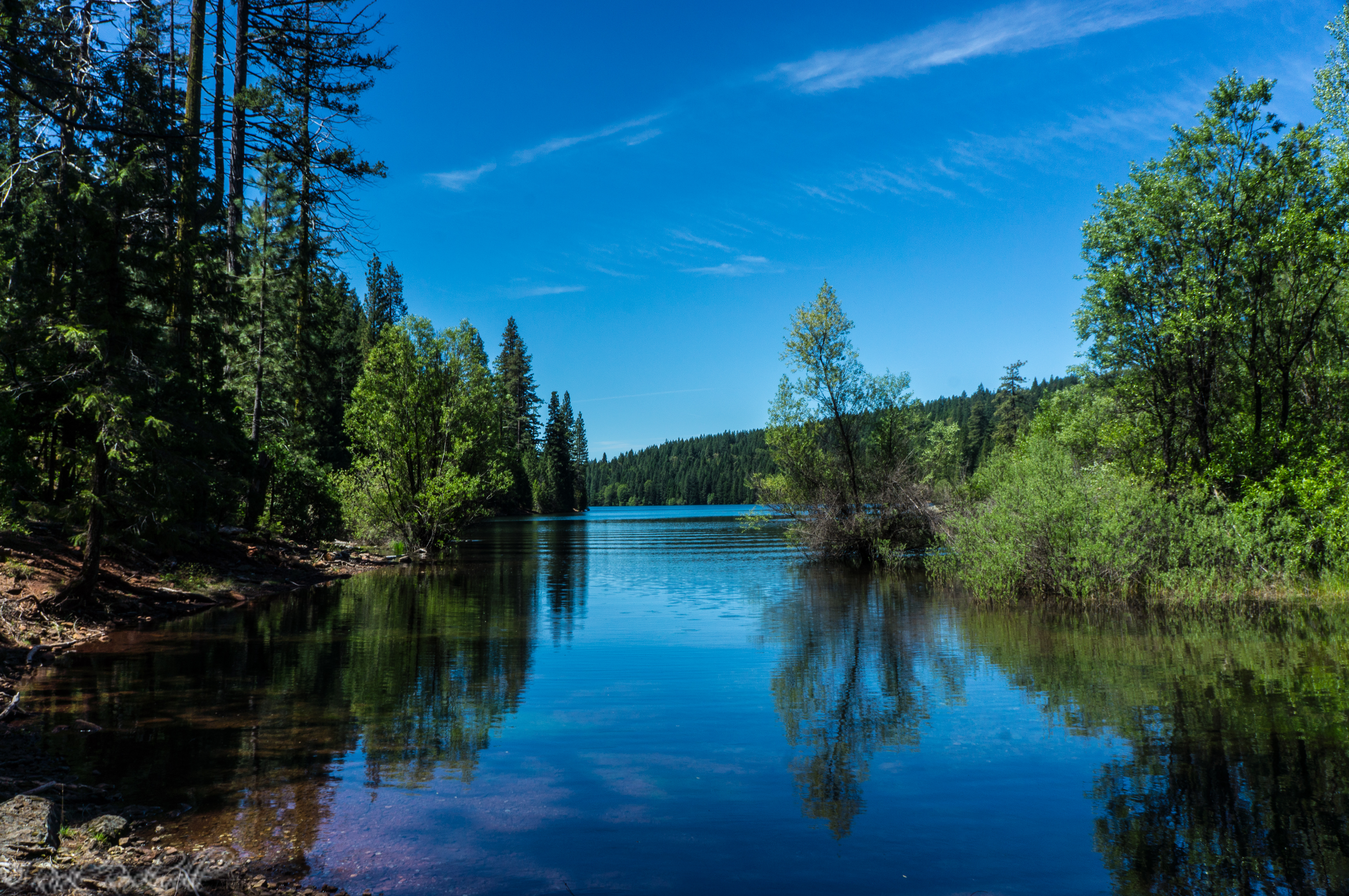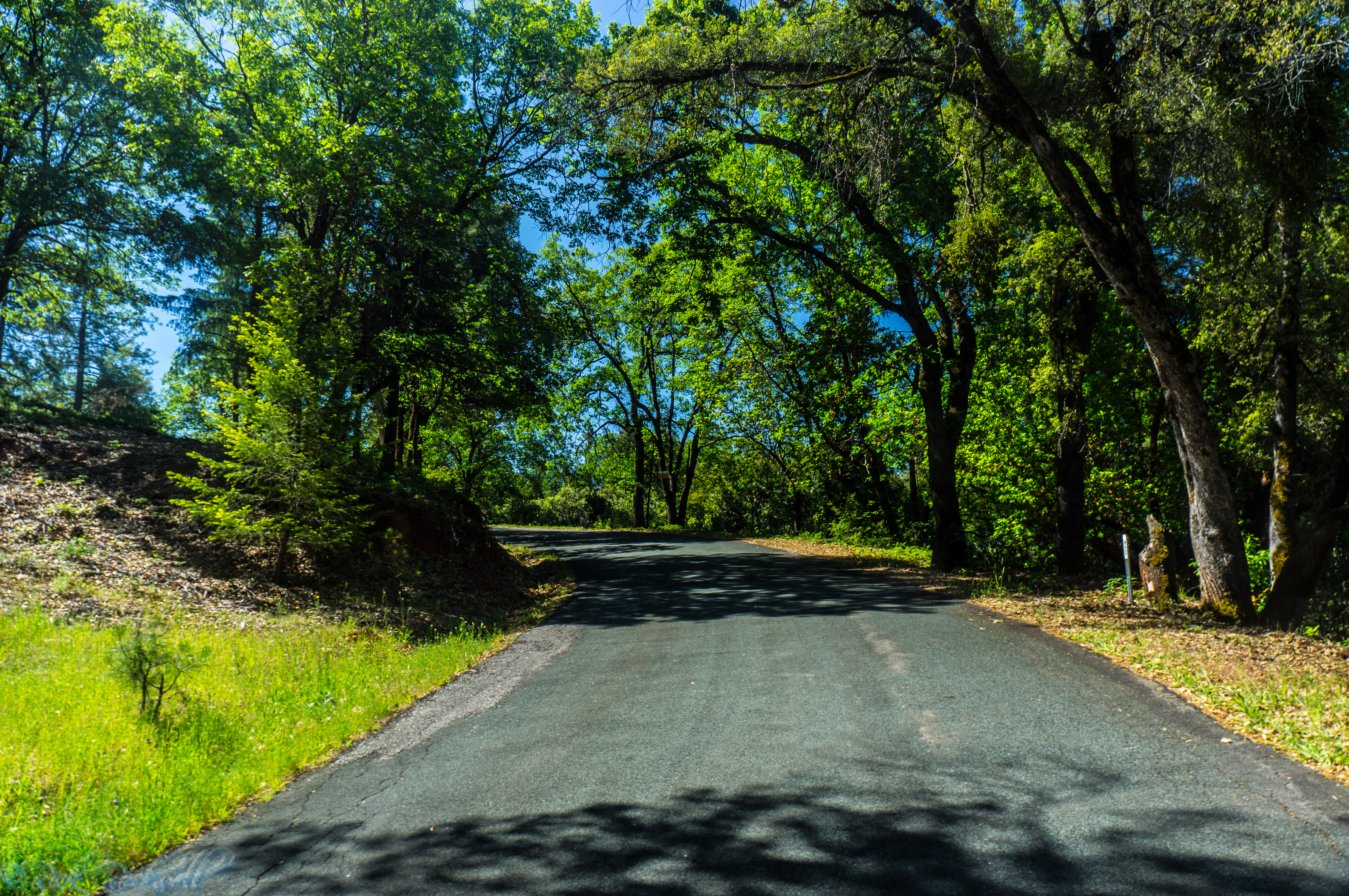
Iowa Hill is the kind of place that makes you slow down before you even arrive. The road narrows, as you pass through the Auburn State Recreation Area, the rover canyon drops away, and by the time you reach the old Gold Rush town, it feels like you have slipped into a stubborn pocket of California’s Gold Country history.
There are ruins, cemeteries, and old mining scars, but Iowa Hill is not just another abandoned ghost town. It is a remote Placer County community that has been burned, isolated, nearly erased, and yet somehow still refuses to disappear.
Quick Facts About Iowa Hill
- Location: Placer County, California
- Near: Colfax, Foresthill, North Fork American River
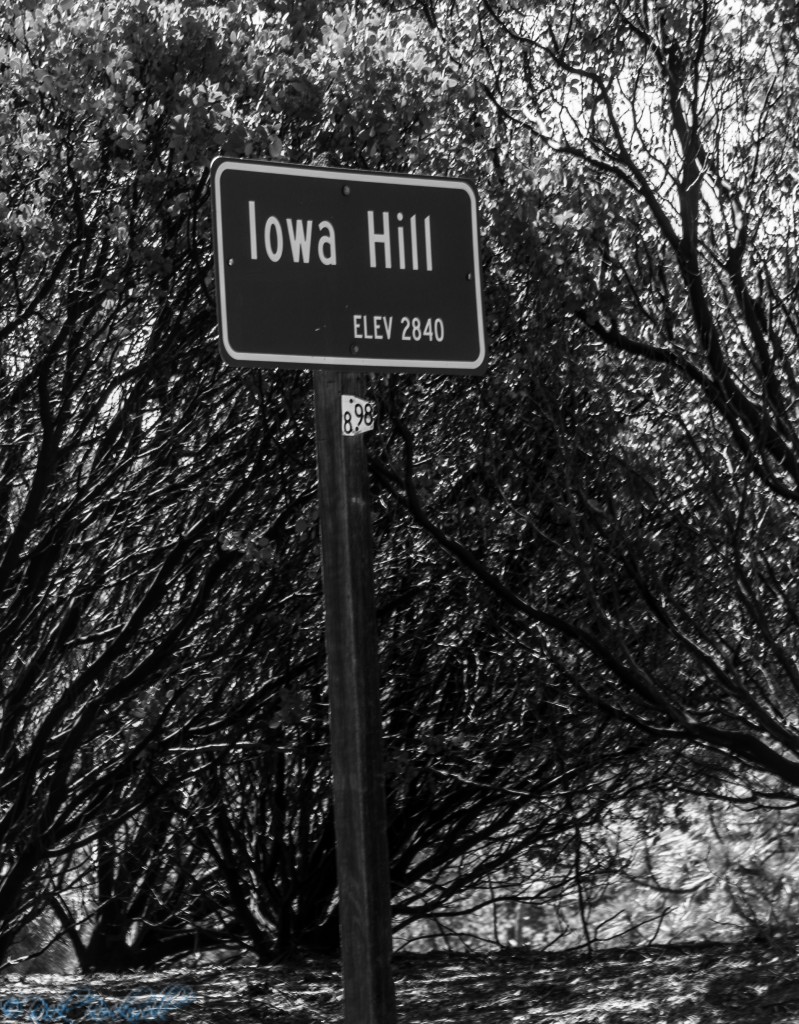
- Elevation: About 2,840 feet
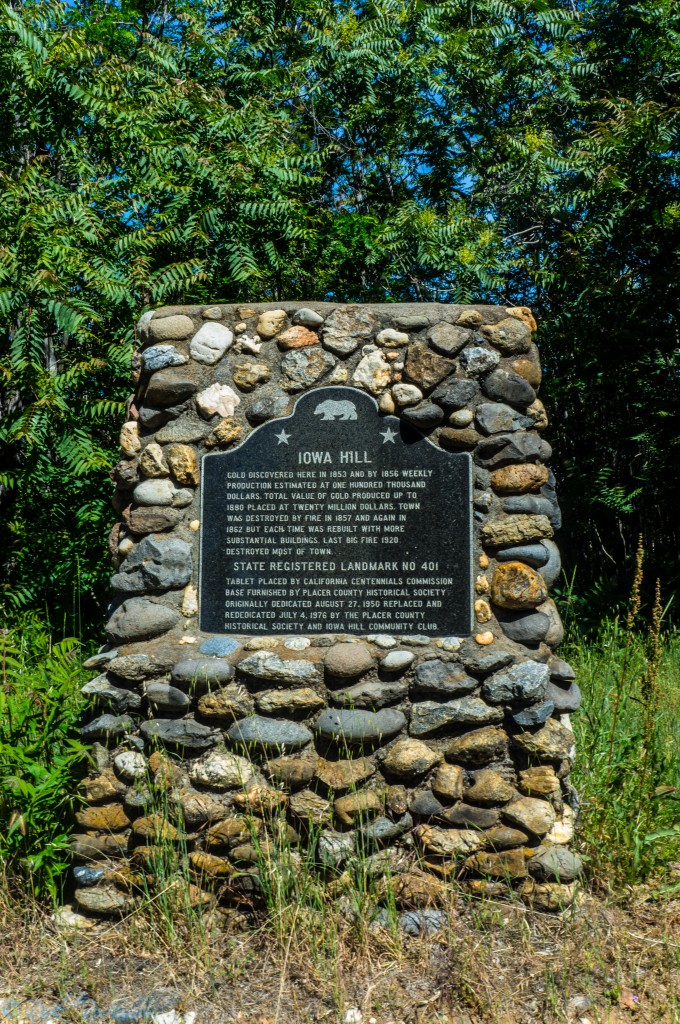
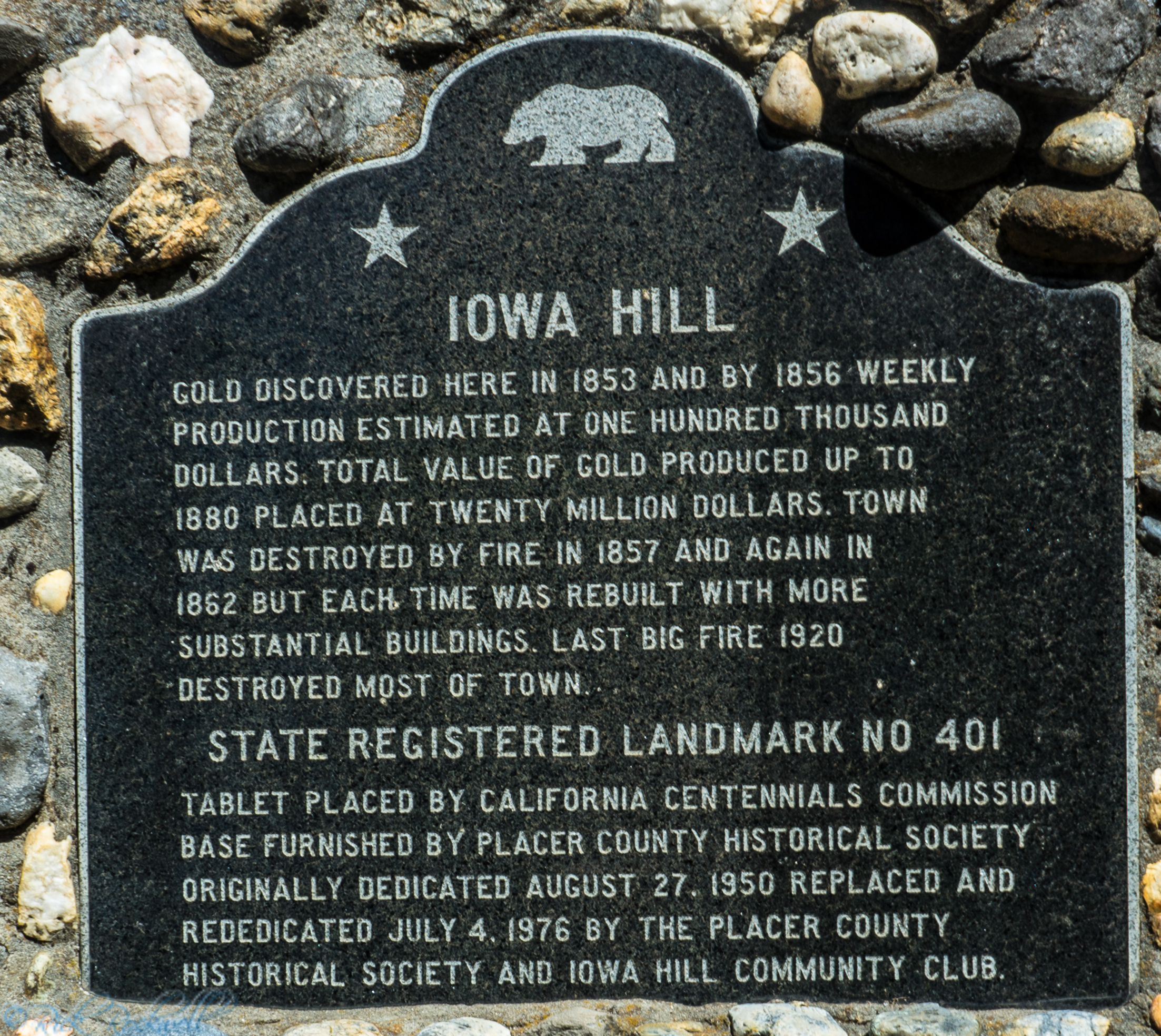
- Landmark Status: California Historical Landmark No. 401
- Gold Discovered: 1853
- Peak Mining Output: Estimated $100,000 per week by 1856
- Gold Produced: And estimated $20 million by 1880
- Major Fires: 1857, 1862, and early 1920s
- Best Known Remnants: Wells Fargo vault, cemeteries, historic buildings, mining landscape
- Nearby Recreation: Stevens Trail, Iowa Hill Road, Mineral Bar, North Fork American River
Is Iowa Hill a Ghost Town?
Iowa Hill often gets described as a ghost town, and it is easy to understand why. The community has old cemeteries, surviving Gold Rush remnants, mining scars, and a quiet, end-of-the-road feeling that makes it seem frozen in an era that has long since passed away. But calling Iowa Hill a true ghost town misses the more interesting story.
Iowa Hill is better described as a living Gold Rush remnant or a semi-ghost town. It lost most of the commercial bustle that once made it one of the most important mining communities in eastern Placer County, but it never fully emptied out. The people who remain are part of the story. That is what makes Iowa Hill different from places that exist only as ruins, plaques, or cemetery stones.
The Gold Rush Boom That Built Iowa Hill
From 1849 to 1852, gold was being discovered in many nearby locations like Yankee Jims, Foresthill and Michigan Bluff. Due to these findings, more and more miners began exploring further throughout the Divide.
In 1853, a group of miners rumored to be from Iowa discovered gold in this area. They soon built a camp and named it Iowa Hill. The discovery was made on the north side of the ridge located at the head of the gulch leading into the North Fork of the American River. This ended up becoming the well-known Jamison claim.
By April of 1854, San Francisco’s Alta California newspaper reported that the diggings in Iowa Hill were of high value. This meant that the mines were producing a lot of gold. And with all of that gold, came prosperity, expansion and more people.
From Mining Camp To A Boomtown
Seemingly as the gold kept pouring out, the town kept growing. By 1856, the mines were producing over $100,000 per week. The success of Iowa Hill also sprung up several mining camps nearby like: Bird’s Flat, Elizabethtown, Grizzly Flat, Independence Hill, Montana Flat, Roach Hill, Stephen’s Hill, Succor Flat and Wisconsin Hill. Sadly, all of those camps eventually disappeared.
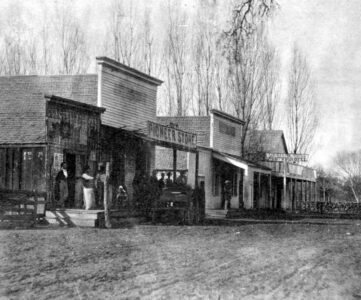
Also, by 1856, Iowa Hill had over 140 buildings in town including: 2 large churches, a Masonic Lodge, three grocery stores, four hotels, a brewery, two hardware stores, 5 general stores of goods and clothing, a high-end store, two butcher shops and a school.
For recreation, the town had: a few bowling alleys, a theater, billiard halls and many saloons. Two newspapers also tried their luck in 1855 and 1859. Unfortunately, neither had much success. The News only lasted through the year of 1855 and The Patriot only lasted a few months in 1859. It seemed that the townspeople were more interested in gold, recreation and the night life more than the news.
With all of this pleasure and prosperity, Iowa Hill was also known to have some unrighteous folks who lived by a different code. This forced many townspeople to take the law into their own hands. But, for the most part, the fulltime residents were a peaceful bunch.
In 1857, a massive fire destroyed most of Iowa Hill. The damage was estimated to be around $500,000. The residents quickly rallied together and rebuilt most of the buildings and homes. Many historical accounts state that the rebuilt town was bigger and better than before.
Through the 1860’s Iowa Hill became the main mining hub for just about all of the northern mines on the Divide. The town was flowing with gold and, by the 1870’s, was one of the largest towns in all of California. Additionally, there are some historical reports claiming that Iowa Hill was being considered as the state capitol of California due to its success. At this point, there were an estimated 10,000 residents.
Over the years, transportation from Iowa Hill had improved as well. By 1875, two stages went from Iowa Hill to the newer railroad town of Colfax. Additionally, the Stevens Trail (a toll trail) ran from Iowa Hill to Colfax and made it easier for miners and residents to cross over the North Fork of the American River several miles north of the stagecoach road.
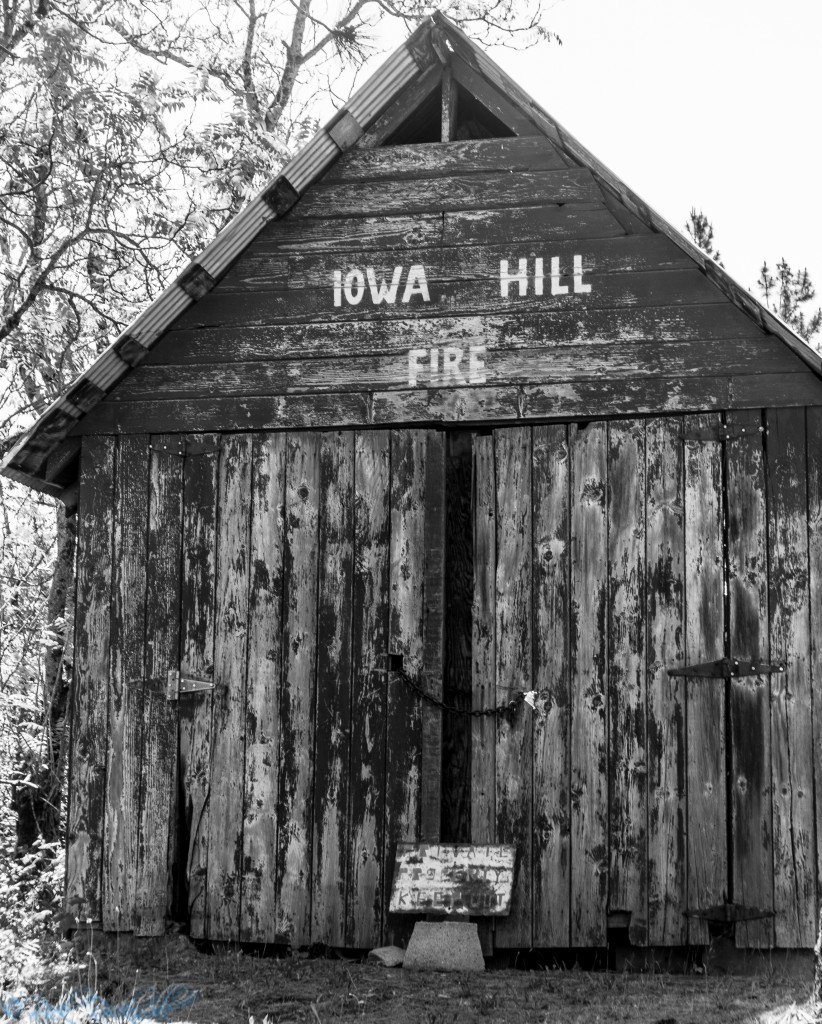
The Iowa Hill fire station
Fires, Rebuilding, and the Town That Would Not Die
Fire is one of the defining themes in Iowa Hill’s story. The town was destroyed by major fires in 1857 and 1862, but each time the community rebuilt.
The 1857 Fire of Iowa Hill
A transcribed Placer Herald report, reprinted from an Iowa Hill News Extra, describes the February 1857 fire starting around 3 a.m. in the back of the City Bakery. The article says the central part of town was quickly in flames, roughly 100 buildings and tenements were destroyed, and “it is almost miraculous that no lives were lost.”
But the best part is the recovery: by 2 p.m. that same day, the report says rebuilding had already begun, teams were hauling lumber, and Main Street had been surveyed 20 feet wider than before.
Old Tig: Iowa Hill’s Faithful Wells Fargo Guard Dog
One of Iowa Hill’s most unexpectedly touching stories comes from the Wells Fargo office during the 1857 fire. Thomas Hotchkiss, the company’s Iowa Hill agent, had a large guard dog named Tiger, better known as Old Tig, who was trained to watch over the office safe.
As the fire swept through town, Hotchkiss reportedly pulled the dog from the building twice, only for Tig to return to his post. The dog died guarding the safe, and the story became part of Wells Fargo lore.
New Heights To Decline
By 1880, the gold mines of Iowa Hill produced roughly $20 million dollars. Many people struck it rich and you can see why some considered the possibility of making Iowa Hill the state capitol. Unfortunately, in 1883 hydraulic mining was made illegal and all the mining towns like Iowa Hill, Michigan Bluff and others greatly suffered from this. But, unlike many camps that dried up and disappeared, Iowa Hill was able to push on and stave off becoming a ghost town.
The 1922 Devastating Fire of Iowa Hill
Although, many of the residents left, Iowa Hill was still surviving. There still were stages that went from Colfax to Iowa Hill, continued digging for gold, a post office and many great businesses. But, in 1922, Iowa Hill suffered another massive fire that destroyed almost the entire town. There was no recovering from this fire.
The townspeople didn’t rally together like before, and the town was no longer a desirable destination. At this point, there were only 32 able voters. A far cry from the 10,000 people 50 years prior.
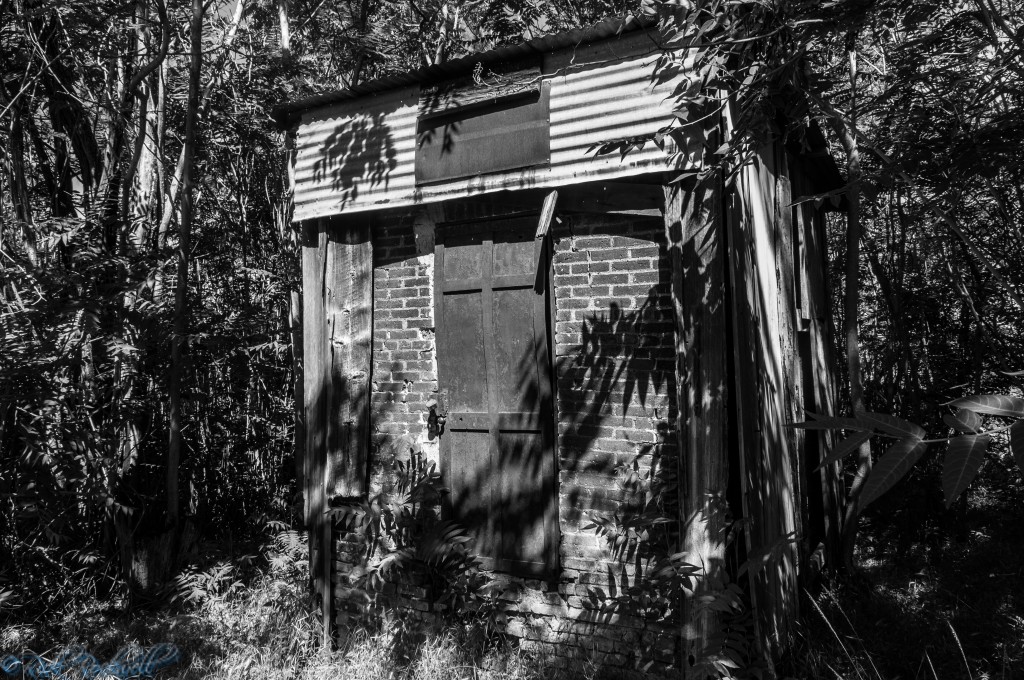
The old Wells Fargo vault
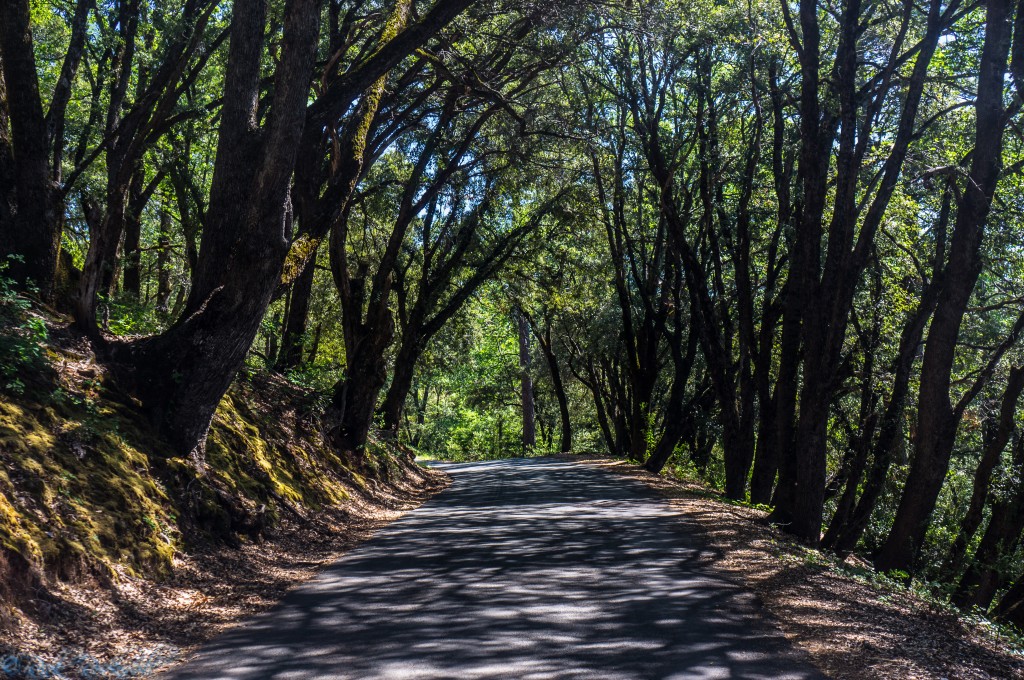
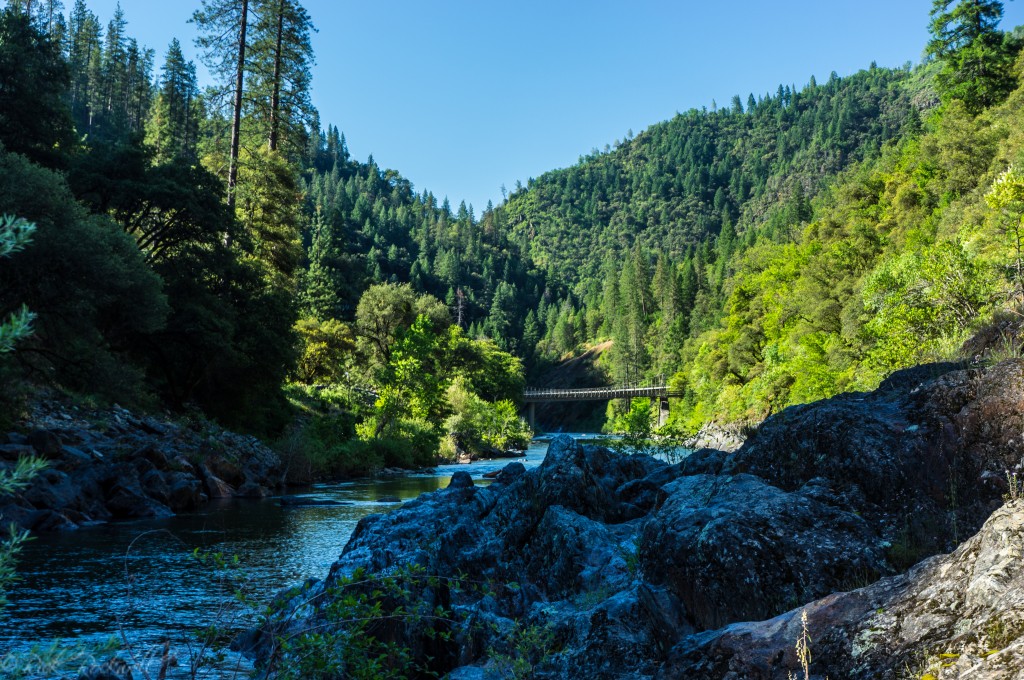
Stevens Trail and Iowa Hill’s Historic Connection to Colfax
Iowa Hill also connects to one of the best historic hikes in the Colfax area: Stevens Trail.
Iowa Hill is the southern trailhead for the revered Stevens Trail. This trail was originally surveyed and under the construction of John Rutherford a successful Iowa Hill businessman during the town’s glory days.
He eventually brought in Truman Stevens, a miner from Iowa Hill, who completed the trail for usage by the late 1850s to early 1860s. Stevens also built a self-propelled cable car to transport individuals across the North Fork of the American River.
This trail was designed for people to travel from Illinoistown to Iowa Hill. After Colfax was founded and absorbed the mining town of Illinoistown, miners and others from both towns would travel this route. It became a toll trail from Colfax down to the North Fork of the American River at Secret Ravine.
According to an April 2009 edition of the ICMJ’s Prospecting and Mining Journal, Stevens charged: 50 cents for those on horse, 40 cents for each livestock animal and 25 cents for each person walking.
When the town of Iowa Hill and the nearby mining camps dried up, this trail was forgotten. But, in 1969, a boy scout rediscovered this trail. In 2002, this trail was listed on the National Register of Historic Places and it definitely makes for a great day hike.
The north trailhead begins off North Canyon Way in Colfax and it’s roughly 4.5 miles down to the American River. So, that makes for a 9-mile round trip hike and the way back is all uphill. If you want to continue to Iowa Hill, you are looking at an additional 3+ miles one way.
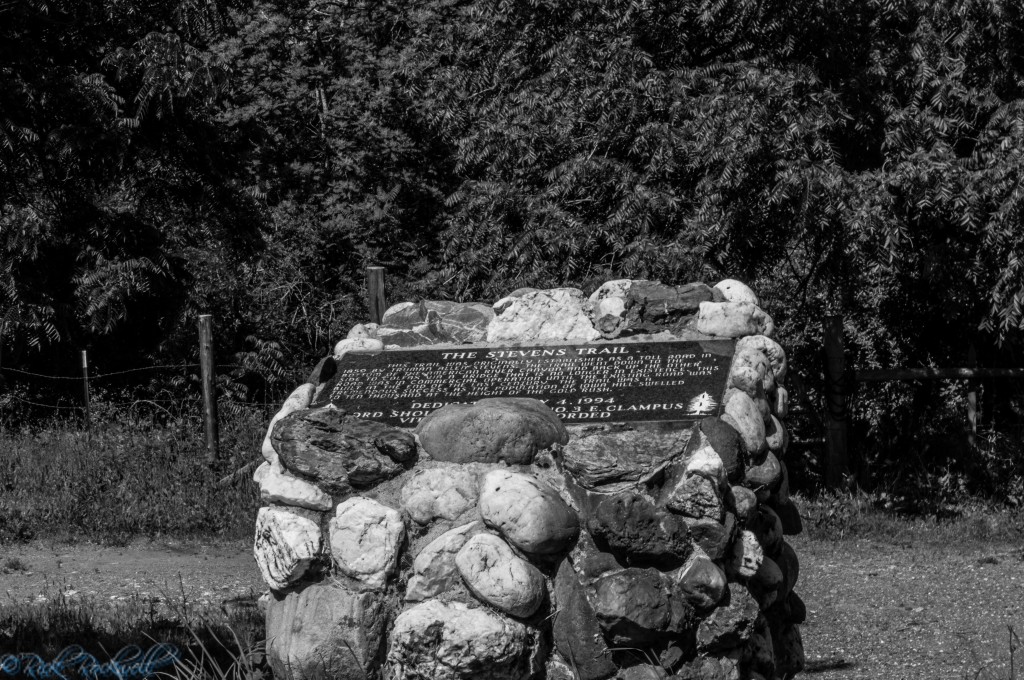
Stevens Trail marker in Iowa Hill
Notable Iowa Hill People
Like any Gold Rush town, there are many residents of Iowa Hill with fascinating stories to tell:
Jacob Neff: From Riches to Public Service
In 1909, when Jacob Neff died, The San Francisco Call (which was a newspaper that Mark Twain worked for from 1863 to 1864) praised Neff as “one of the most highly esteemed citizens of California.”
That’s a huge statement for a newspaper to make about one person. But, if you know anything about Neff, you would know that he earned this billing through the life he lived. And, his life of success began in Iowa Hill when Neff arrived there by 1851.
Jacob was born in Pennsylvania but moved to Iowa as a kid. As a young man, Neff left Iowa for California with the hopes of striking it rich during the gold rush. He arrived in Placerville in April of 1850 after a 5 month grueling journey. Neff quickly headed further west to modern day “Gold Country,” ending up in Iowa Hill.
Neff made his early fortunes mining in the Iowa Hill region and reportedly mined until 1863. Additionally, he obtained a liquor license in Elizabethtown and was a charter member of the Wisconsin Hill Lodge no. 74. He also helped to organize the Ionic Lodge No. 121 in Iowa Hill.
After leaving the Iowa Hill region, Neff ended up in Colfax where he partnered up with a few others to build a toll-road from Illinoistown to Grass Valley. By the late 1860s, Neff became Sheriff of Placer County.
The 1870s saw Neff get elected for State Senate, help construct the Auburn race track and become a member of the State Prison Board. In the 1880s, he helped to create the Placer County Bank among other ventures. The 19th century closed with Neff being the state’s Lt. Governor and a multiyear tenure as the president of the California Miner’s Association.
Neff was an early Iowa Hill resident who built his empire on the very gold mines that propelled Iowa Hill into a boomtown. After his time in Iowa Hill, he would go on to greatly influence Californians both in Placer County and statewide.
William “Bill” James: Iowa Hill’s Baseball Legend
Iowa Hill even produced a World Series hero. William Lawrence “Seattle Bill” James was born in Iowa Hill in 1892, the son of a gold miner, and went from a Sierra foothill childhood to one of the most dramatic seasons in early baseball history.
After starring for Seattle in the Northwestern League, James joined the Boston Braves and became a key pitcher on the 1914 “Miracle Braves,” the team that rose from last place in July to win the World Series.
His 1914 season was extraordinary: 26–7, 1.90 ERA, 332.1 innings pitched, and 156 strikeouts. In the World Series, James beat the heavily favored Philadelphia Athletics twice in three days, including a 1–0 two-hit shutout over Eddie Plank in Game Two and two hitless relief innings to win Game Three.
His stardom was brief because arm trouble derailed his career by age 24, but that makes the Iowa Hill connection even more memorable: a remote Gold Rush town best known for mining, fires, and isolation also produced one of the forgotten heroes of the 1914 World Series.
James later served in the 63rd Infantry during World War I, where his throwing arm reportedly found a very different use: teaching soldiers how to throw bombs. He made one final major-league appearance with the Braves in 1919, then spent several years in the Pacific Coast League as a player and coach before ending his baseball career with Sacramento in 1925.
In retirement, he lived in Oroville with his wife, Harriet Newman, worked as a truck driver and later as a Butte County assessor, and died in Oroville on March 10, 1971, two days before his 79th birthday.
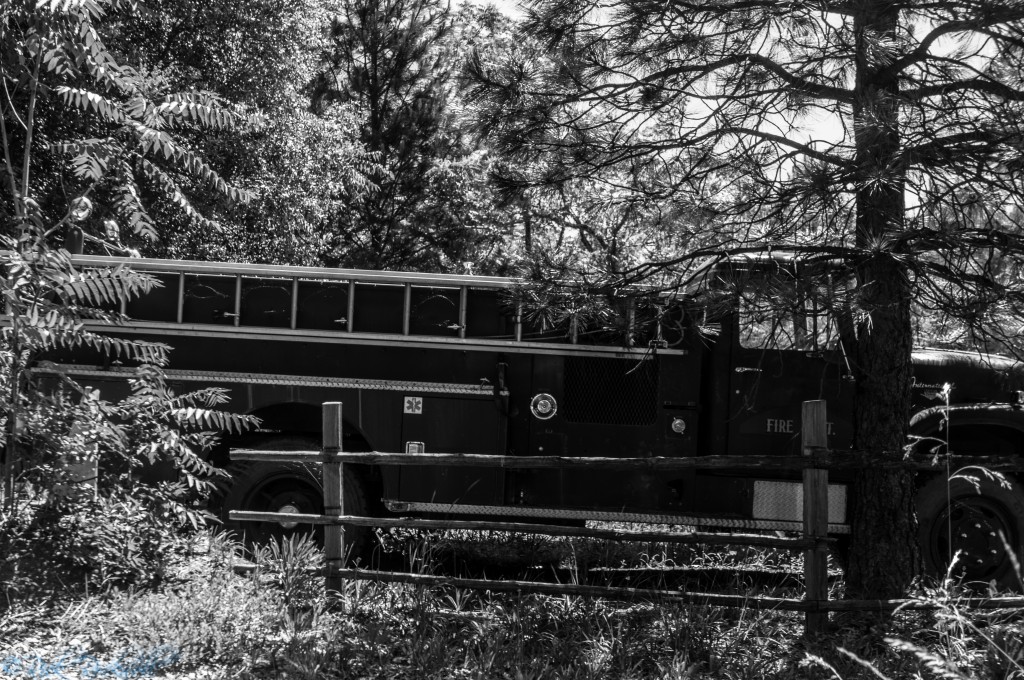
Iowa Hill firetruck
Things to See and Do Near Iowa Hill
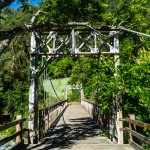
- Iowa Hill Bridges: Historic bridge pair over the North Fork American River and a natural stop on the drive to town.
- Mineral Bar: River access and campground area within Auburn State Recreation Area near the Iowa Hill Road crossing.
- Stevens Trail: Historic Colfax-area hike tied directly to the old route between Colfax and Iowa Hill.
- North Fork American River: Scenic canyon, swimming, fishing, rafting, and Gold Rush landscape.
- Colfax: Good base for railroad history, food, fuel, and access to Stevens Trail.
- Sugar Pine Reservoir: A larger recreation stop beyond Iowa Hill with lake activities, camping, and forest scenery.
- Foresthill: Another historic foothill community that pairs well with Iowa Hill and the broader American River canyon.
Best Time to Visit Iowa Hill
Spring and fall are the best times to visit Iowa Hill because the weather is usually more comfortable, the road is easier to handle, and the foothill scenery is at its best. Spring can bring green hillsides and strong river flows, while fall adds quieter roads and a better historic-site atmosphere.
Summer can be hot, especially around the canyon and river corridor. Winter visits require more caution because storms, snow, ice, rockfall, and wet road conditions can make Iowa Hill Road more dangerous.
Why Iowa Hill Still Matters
Like any historic town, Iowa Hill still matters because of its rich history, remnants of the Gold Rush era, and a community’s generational fight for survival. It’s become one of Placer County’s most interesting historic communities.
Keep in mind, when you are visiting, many places are on private property. So, don’t roam this small location as if you are walking the empty lots of Bodie State Park.
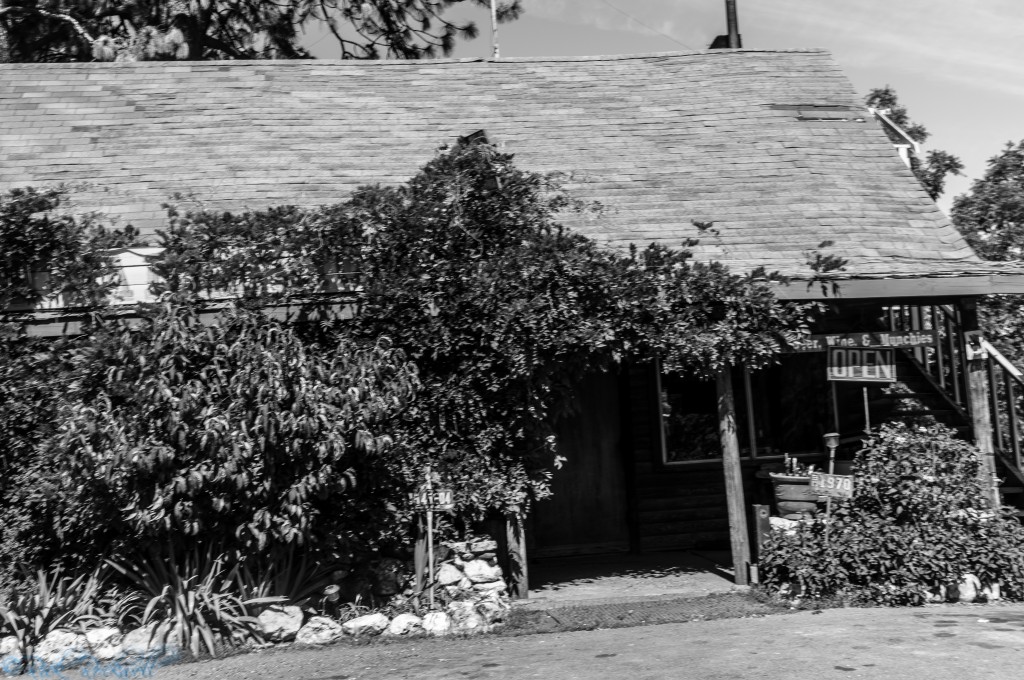
Iowa Hill store