Along the rugged coastline of Northern California lies one of the state’s most fascinating coastal destinations—Glass Beach in Fort Bragg. At first glance, it appears like a hidden gem sparkling under the sun. But beneath its beauty is a layered story of human impact, environmental recovery, and nature’s remarkable ability to transform waste into wonder.
Today, Glass Beach draws thousands of visitors each year, eager to witness the smooth, colorful sea glass scattered across the shoreline. But this isn’t just a scenic stop, and one of my favorite beaches, it’s a living example of how ecosystems can heal over time.
In this guide, we’ll explore the history of Glass Beach, how the iconic sea glass formed, what you can expect today, and how to visit this roadside attraction responsibly.
Quick Facts About Glass Beach, CA
- Location: Fort Bragg, California
- Park: MacKerricher State Park
- Dumping Era: Early 1900s – 1967
- Sea Glass Formation: 1970s – Present
- Can You Take Glass? No (illegal)
- Best Time to Visit: Low tide, mornings
- Access: Short trail from Glass Beach Drive
- Known For: Sea glass, tide pools, coastal views
Where Is Glass Beach?
Glass Beach is located within MacKerricher State Park along the Mendocino Coast, just north of downtown Fort Bragg.
Fort Bragg Has Three Glass Beaches
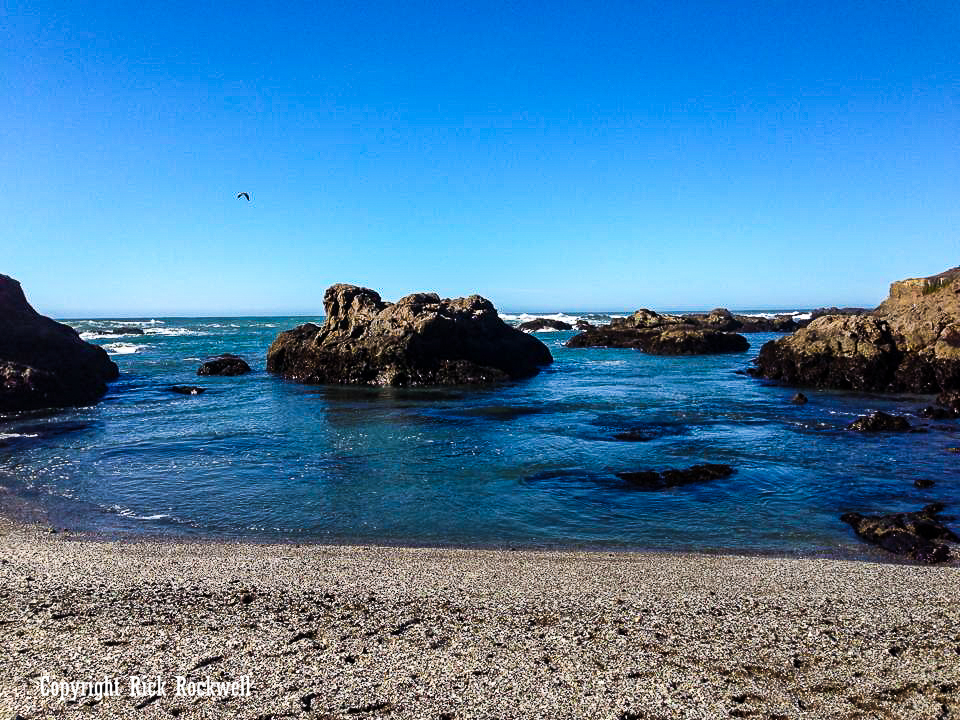
To the surprise of non-locals and first-time visitors, Glass Beach actually represents three different portions of beaches (coves) along the Mendocino coast.
Glass Beach #1 (Main Beach – Most Visited)
This is the one most people think of when they hear “Glass Beach.” It was the third and final dump site before the city banned coastal dumping in 1967. It’s often referred to as Site #3 when discussing the history of Fort Bragg’s dump sites.
- Located adjacent to MacKerricher State Park
- Easiest access (short walk from parking)
- Most photographed and busiest
- Still has visible sea glass, though less than in the past
Parking
- Main parking lot off Glass Beach Drive
- Free street parking nearby (fills up quickly on weekends)
Walking Route
- Short, well-marked trail (5–10 minutes)
- Includes a maintained path down to the cove
Glass Beach #2 (Quieter, Less Accessible)
This cove sits just south of the main beach along the coastal bluffs. It was the second dump site used (1943-1949) and still has more glass than the main beach.
- More secluded and less crowded
- Slightly harder to access (steeper paths, uneven terrain)
- Often has more glass than #1 because fewer people visit
Parking
- Same parking area as Glass Beach #1
- Walk south along the bluff trail
Walking Route
- Follow the coastal trail south
- Look for informal paths leading down to the cove
- Terrain becomes uneven and steeper
Glass Beach #3 (Original Dump Site Area)
This is the least visited and most rugged section of Glass Beach. Also known as Site #1 (1906-1943), this cove used to be more difficult to access until the opening of the Coastal Trail.
- Historically, the main dump site
- Limited or difficult access
- Rough terrain and stronger surf
- Minimal crowds, more glass
Parking
- No dedicated parking for direct access
- Requires extended walking along bluff trails
Walking Route
- Continue south past Beach #2
- Or access it via the Coast Trail
- Some areas may be closed or restricted
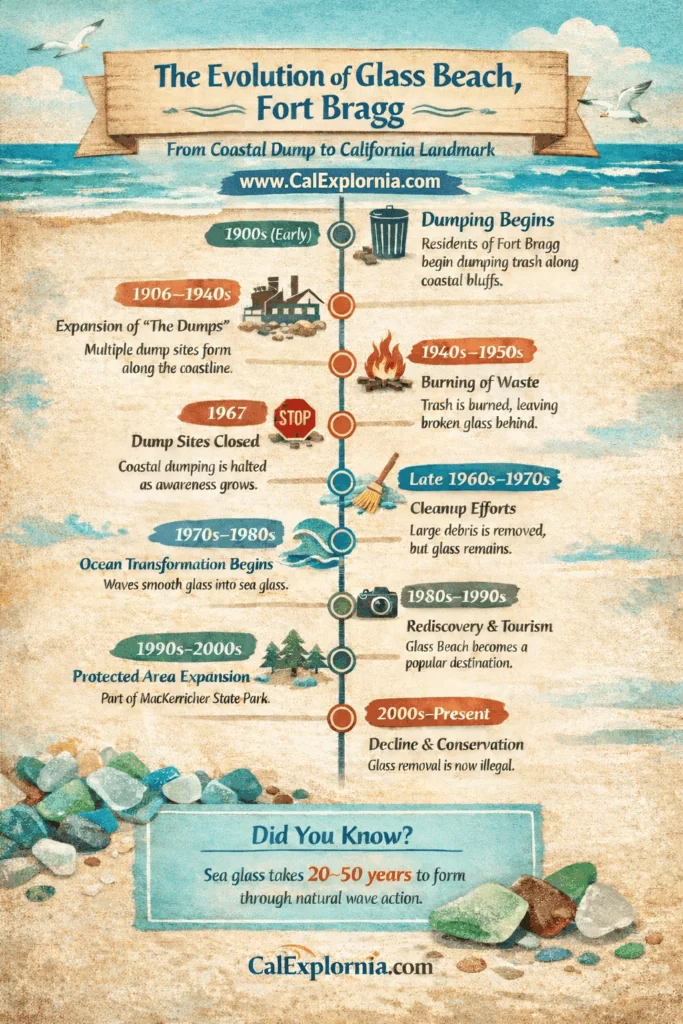
The History of Glass Beach: From Coastal Dump to Protected Landmark
In the early 20th century, Fort Bragg was a rugged, working-class town driven by the lumber industry. Like many small coastal communities at the time, it lacked formal waste management systems.
Although short sighted, the solution was simple – dump waste over the coastal bluffs into the ocean.
This wasn’t unique to Fort Bragg, as it was a common practice across California coastal towns before modern landfill regulations. But along this stretch of coastline, the volume and duration of dumping would leave a lasting mark.
1906–1967: The Era of “The Dumps”
For more than six decades, multiple dump sites operated along what is now Glass Beach. Locals referred to the area simply as “the dumps.” The original dump site lasted from 1906 to 1943. The second dump site was used only from 1943 to 1949. The third, and final dump site, was in use from 1949 to 1967.
Materials discarded included:
- Glass bottles and jars
- Household waste
- Metal scrap and appliances
- On occasion, vehicles
To reduce the size of accumulating waste, trash was frequently burned, leaving behind partially melted and shattered glass.
By the mid-20th century, this practice was becoming increasingly controversial. Across California, concerns about sanitation, pollution, and ocean health were beginning to reshape public opinion.
1967: Closure of the Dump Sites
By 1967, local authorities officially shut down the coastal dumps.
This decision reflected a broader environmental shift happening across the state and country, as awareness of pollution and ecological damage increased.
Cleanup efforts followed, removing:
- Large debris and scrap metal
- Appliances and hazardous materials
However, millions of small glass fragments remained embedded in the shoreline. At the time, removing them was considered impractical.
1970s–1980s: Natural Transformation Begins
With the dumps closed, natural processes took over.
Over the following decades:
- Wave action broke glass into smaller pieces
- Sand and water smoothed sharp edges
- Saltwater chemically etched surfaces
According to National Oceanic and Atmospheric Administration, wave energy and sediment movement play a major role in reshaping coastal materials over time.
What remained was sea glass—rounded, frosted, and colorful.
1980s–1990s: Rediscovery and Growing Attention
By the 1980s, locals and visitors began noticing the unusual shoreline.
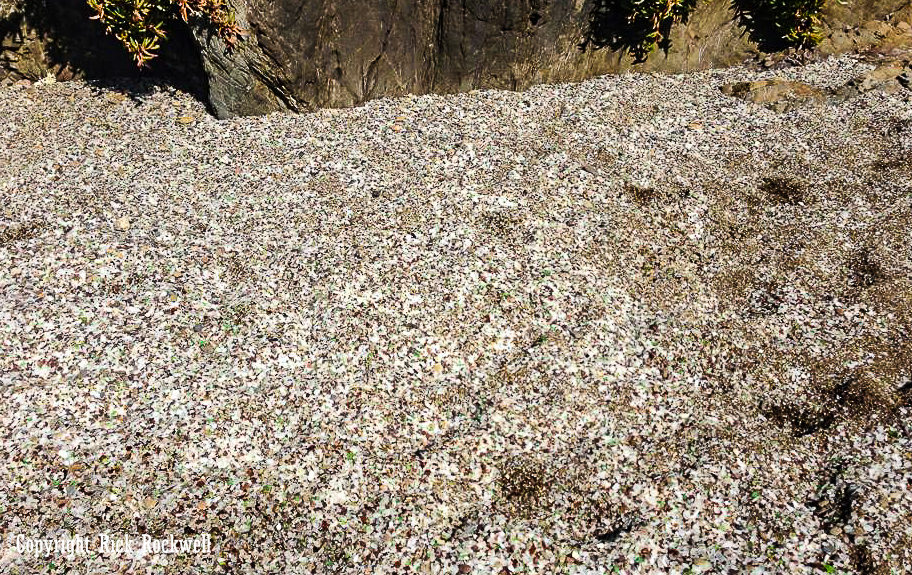
Unlike traditional sandy beaches, this stretch of coast was covered in polished glass fragments in shades of green, brown, and blue.
Travel writers and regional tourism outlets began highlighting the site, and Glass Beach slowly gained recognition as one of Northern California’s most unique coastal destinations.
When Did Glass Beach Become Protected?
Glass Beach became part of MacKerricher State Park by the 21st century, as California expanded protections along the Mendocino Coast.
While MacKerricher State Park itself was established in 1952, the Glass Beach area was incorporated later as surrounding coastal lands were acquired and managed under the park system.
Why Was It Added to the State Park System?
Several key factors drove the decision:
Environmental Protection
The coastline required long-term protection after decades of dumping. Incorporating it into the state park system ensured:
- Habitat preservation
- Controlled public access
- Ongoing monitoring
Preventing Further Damage
As Glass Beach gained popularity, visitors began removing sea glass in large quantities.
State Park designation allowed enforcement of rules such as:
- No removal of natural materials
- Protection of marine ecosystems
Coastal Conservation Efforts
California has long prioritized protecting its coastline. Expanding the park boundaries helped preserve:
- Scenic landscapes
- Tide pools and marine life
- Public access to natural spaces
2000s–Present: Decline of Glass and Rise of Conservation
By the early 2000s, a noticeable change had occurred.
The once-abundant sea glass had begun to diminish due to:
- Decades of visitors collecting glass
- Natural breakdown into smaller particles
- Coastal erosion and shifting tides
Today, Glass Beach is carefully managed as part of the state park system. Removing glass is illegal, and visitors are encouraged to follow Leave No Trace principle.
How the Sea Glass Forms
The sea glass at Glass Beach didn’t appear overnight, it took decades of natural processes to form.
The Transformation Process
- Breakage – Glass items are shattered into smaller pieces
- Tumbling – Ocean waves roll the fragments repeatedly
- Abrasion – Sand and rocks smooth the edges
- Frosting – Chemical reactions with saltwater create a matte surface
This process can take 20 to 50 years, depending on conditions.
Common Sea Glass Colors
Visitors will typically find:
- Green (from beer bottles)
- Brown (from liquor bottles)
- Clear/white (from household glass)
Rarer colors include:
- Blue
- Red
- Purple
The rarer the color, the more valuable it is to collectors—but at Glass Beach, collecting is prohibited.
Can You Take Glass from Glass Beach?
The short answer is no. Glass Beach is part of MacKerricher State Park, and removing natural materials, including sea glass, is illegal.
Why It Matters:
- Preserves the ecosystem
- Maintains the experience for future visitors
- Supports ongoing environmental recovery
Visitors are encouraged to enjoy the beach responsibly and leave everything as they found it.
Best Time to Visit Glass Beach
Timing can make a significant difference in your experience.
Ideal Conditions:
- Low tide – Reveals more sea glass and tide pools
- Early morning – Fewer crowds, better light
- Weekdays – Less foot traffic
Seasonal Considerations:
- Spring/Summer – Clearer weather, more visitors
- Fall – Mild weather, fewer crowds
- Winter – Dramatic waves, but rough conditions
Always check tide charts before your visit.
Things to Do at Glass Beach
Glass Beach is more than just sea glass; it’s part of a larger coastal ecosystem.
Explore Tide Pools
At low tide, you’ll find:
- Sea stars
- Anemones
- Crabs
- Small fish
Coastal Photography
The contrast of glass, rock, and ocean creates excellent photo opportunities.
Walk the Coastal Trail
The surrounding trails inside and outside of MacKerricher State Park offer:
- Ocean views
- Wildlife sightings (including seals and seabirds)
- Easy walking paths
Visit Nearby Attractions
While in the area, consider exploring:
- Skunk Train
- Mendocino Coast Botanical Gardens
- Noyo Harbor
- Point Cabrillo Lighthouse
Tips for Visiting Glass Beach
To get the most out of your trip:
Practical Tips
- Wear sturdy shoes (rocky terrain)
- Bring a camera, not a bucket
- Check tide charts ahead of time
- Arrive early for parking
Safety Tips
- Watch for sneaker waves
- Avoid climbing unstable cliffs
- Supervise children near water
Respect the Site
Glass Beach is a fragile environment, treat it accordingly.
Is Glass Beach Worth Visiting?
I’ve been visiting Glass Beach and Fort Bragg since I was a kid in the late 1980s, and though there is a reduced amount of sea glass since then, Glass Beach remains one of California’s most unique coastal destinations and roadside attractions. It brings out your inner-child as you look for the rare colored glass. It makes you feel as if you are on a treasure hunt.
If you are exploring Northern California, Glass Beach is a must-see destination, especially when combined with other Mendocino Coast attractions.
FAQs About Glass Beach
Why is Glass Beach famous?
Glass Beach is known for its abundance of smooth, colorful sea glass formed from decades of discarded waste transformed by ocean waves.
Can you still find sea glass at Glass Beach?
Yes, but in smaller quantities than in the past. The beach still contains visible sea glass, especially at low tide.
Is it illegal to take glass from Glass Beach?
Yes. Removing sea glass is prohibited because the beach is part of a protected state park.
When is the best time to visit?
Low tide during early morning or weekdays offers the best experience.
How long should you spend there?
Most visitors spend 1–2 hours exploring the beach and nearby trails.
Sources
California State Parks – MacKerricher State Park
https://www.parks.ca.gov/?page_id=436
NOAA Marine Debris Program
https://marinedebris.noaa.gov
City of Fort Bragg
https://city.fortbragg.com
Wikipedia: Glass Beach (Fort Bragg, California)
https://en.wikipedia.org/wiki/Glass_Beach_(Fort_Bragg,_California)