California is home to the most National Parks in the United States with nine. Additionally, the Golden State has the most National Monuments with 20; after two Monuments were added in January 2025.
With that said, not all of these monuments and parks have Native American cultural and/or historical experiences that visitors can immerse themselves in and learn from.
The following is a list of the California National Parks with Native American history, cultural, preservation, and heritage experiences:
Northern California
Northern California (NorCal) is typically defined as anything from the Bay Area up to the border of Oregon and east towards the border of Nevada. It’s the most diverse region of the state as you can see in these Native American experiences at the following California National Parks and Monuments:
Lava Beds National Monument
Location: Siskiyou and Modoc Counties, near Tulelake, CA
Designation Date: Established as a national monument on November 21, 1925.
Tribes associated: Modoc
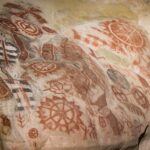
Native experiences/exhibits: Extensive rock art (petroglyph and pictograph panels) that are dated up to 6,000 years old. Petroglyph Point is the most accessible location for these ancient rock arts.
Additionally, there are numerous caves with indigenous history, Captain Jack’s Stronghold, interpretive displays on Modoc War sites and Native art.
The Visitor Center is a central hub to learning about what the Lava Beds National Monument offers and where everything is located.
Not only can visitors explore ancient lava tubes, but walking through the trails and paths of Captain Jack’s Stronghold leaves one with a deep admiration for how the Modoc used this land for survival and ceremony.
Lassen Volcanic National Park
Location: Lassen, Shasta, Plumas & Tehama counties, California
Designation Date: Established as a national park on August 9, 1916.
Tribes Associated: Atsugewi, Yana, Yahi, Maidu
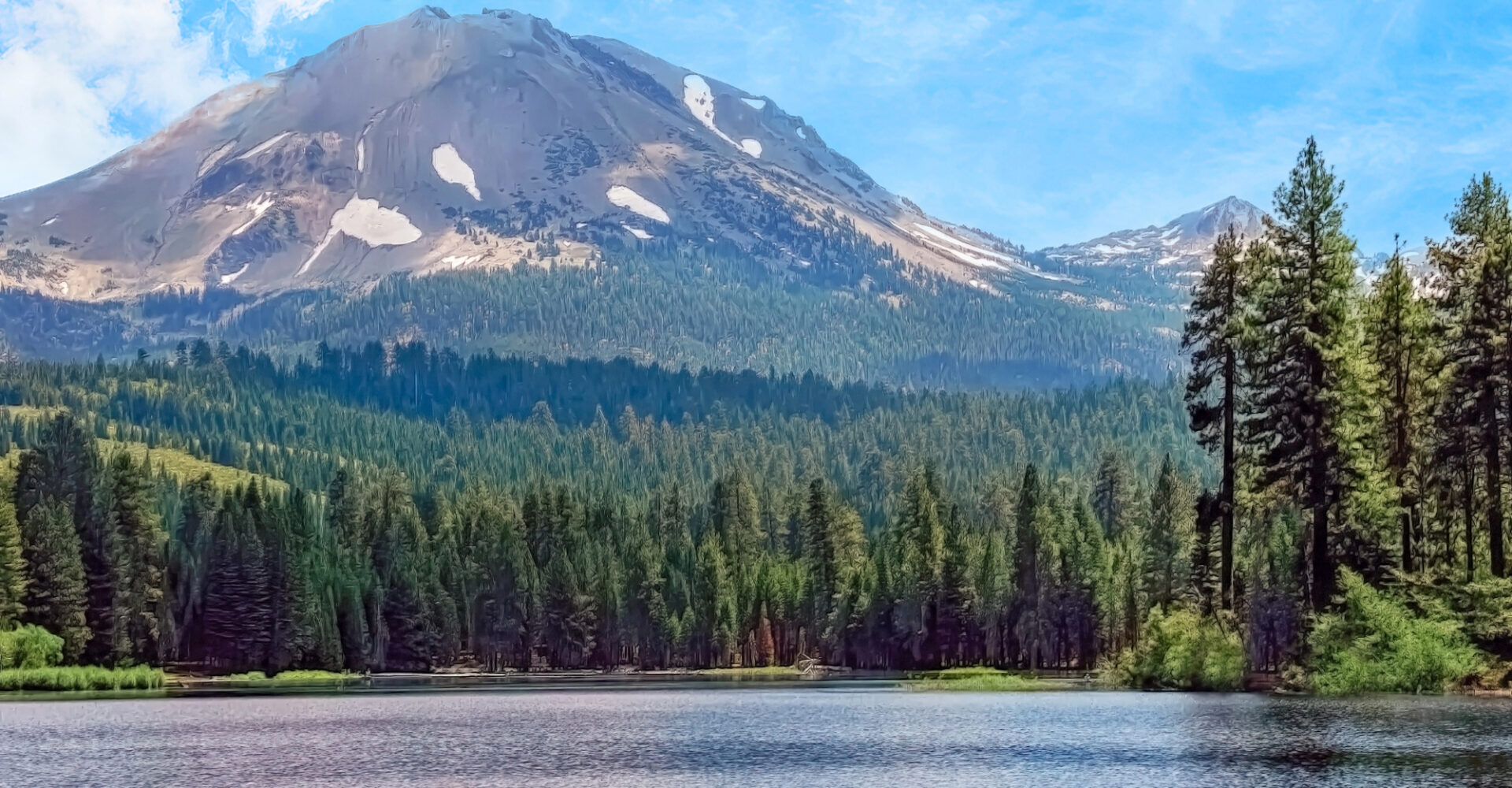
Native Experiences / Exhibits: Interpretive programs and exhibits highlight indigenous seasonal use, oral histories (e.g., Ishi and the Yahi), and cultural context of tribal movements across the volcanic landscape. Mount Lassen, itself, is a sacred site to the Maidu as it’s at the center of the tribe’s creation story.
The Lumis Muesum provides visitors with information and education on the Park’s history both about early settlers and Native Americans. The building is nearly 100 years old. The Kohm Yah-mah-nee Visitor Center does a wonderful job of displaying tribal heritage.
Golden Gate National Recreation Area
Location: San Francisco Bay Area (San Francisco, Marin, San Mateo counties), California
Designation Date: Established October 27, 1972.
Tribes Associated: Ohlone (Costanoan), Coast Miwok.
Native Experiences / Exhibits: Exhibition “Red Power on Alcatraz: Perspectives 50 Years Later”; storytelling, cultural videos, gatherings, intertribal events, and public programs honoring indigenous stewards.
The Presidio and Crissy field feature exhibits on the Ohlone’s heritage in this region. Muir Woods features the Coast Miwok’s ability to thrive in this habitat. The Marin Headlands boast of numerous Native American archaeological sites.
Point Reyes National Seashore
Location: Marin County, California
Designation Date: Authorized September 13, 1962; established October 20, 1972.
Tribes Associated: Coast Miwok
Native Experiences / Exhibits: Features the Kule Loklo – Coast Miwok cultural village; annual Big Time Festival (Pow Wow) with storytelling and traditional arts; a rich collection of oral histories, artifacts, and archaeological resources in the Bear Valley Visitor Center.
Native American-led interpretive programs about the Coast Miwok way of life with traditional methods of basketry and food preparation.
Sáttítla Highlands National Monument
Location: Medicine Lake Highlands, Siskiyou County, Northern California (spanning Modoc, Shasta–Trinity, and Klamath National Forests).
Designation Date: Created via proclamation under the Antiquities Act on January 14, 2025, by President Biden.
Tribes Associated: Primarily the Pit River Tribe and Modoc peoples; also includes connections with Karuk, Klamath, Shasta, Wintu, and Yana tribes.
Native Experiences / Exhibits: The name “Sáttítla” means “obsidian place” in the Achomawi language; the region is noted for its obsidian deposits, volcanic features, and significance to Indigenous tool-making and spiritual use.
The location is ecologically and culturally rich; home to Medicine Lake Volcano, headwaters that supply water downstream, volcanic landscapes, and sacred lands that are recognized through longstanding Pit River advocacy.
Visitor services along with Native American cultural and historic exhibits, programs and locations are still in development.
Central California
Central California is primarily thought of as the middle-third of the state; north of Los Angeles and SoCal to south of Sacramento and NorCal, not including the Bay Area. It’s often associated with the Central Valley and the San Joaquin Valley.
Pinnacles National Park
Location: San Benito & Monterey Counties, California
Designation Date: National Monument in 1908, became a national park on January 10, 2013.
Tribes Associated: Ohlone, Yokuts, Amah Mutsun, and Chalon.
Native Experiences / Exhibits: Collaborative eco-cultural restoration, interpretive programs, volunteer tribal engagement and traditional land stewardship initiatives.
Archaeological evidence demonstrates the versatility of this region: a seasonal home, sacred lands for performing ceremonial practices, and a location of commerce via ancient trade routes.
The Amah Mutsun Tribal Band and Chalon Indian Nation are an integral part to the cultural and traditional programs found in this National Park, along with the preservation of the park’s Native American history. The Amah Mutsun tribe is also responsible for reintroducing the California Condors to this park after they nearly went extinct over 40 years ago.
Pinnacles is a unique experience that blends the dramatic geology with tribal heritage. A perfect example of this can be found in the park’s talus caves.
Yosemite National Park
Location: Central Sierra Nevada, eastern central California (Mariposa, Tuolumne, and Madera counties)
Designation Date: Established as a National Park on October 1, 1890; Yosemite Valley and Mariposa Grove incorporated in 1906.
Tribes associated: Southern Sierra Miwuk Nation, Ahwahneechee, Mono Lake Kootzaduka’a, Bishop Paiute, Bridgeport Indian Colony, Picayune Rancheria of Chukchansi Indians, North Fork Rancheria of Mono Indians, Tuolumne Band of Me-Wuk Indians.
Native experiences/exhibits: Indian Village of Ahwahnee (Wahhoga) with a reconstructed roundhouse, sweat-house, basket weaving and cultural demonstrations at Yosemite Museum; interpretive displays of Miwuk and Paiute heritage, traditional place-names and living cultural events.
The Yosemite landscape (giant Sequoias, waterfalls, meadows, rivers and granite cliffs) is a breathtaking reminder of how tribes cultivated this region for living and rituals.
Just one visit to Yosemite and it’s easy to understand why this region was established as the first National Park, and why the tribes consider it a sacred site.
Sequoia & Kings Canyon National Parks
Location: Southern Sierra Nevada, Fresno & Tulare Counties, CA
Designation Dates: General Grant National Park (later part of Kings Canyon) established 1890; Kings Canyon NP designated March 4, 1940.
Tribes associated: Mono (Monache), Yokuts, Tübatulabal, Paiute, Western Shoshone
Native experiences/exhibits: Interpreted human history and ongoing stewardship rooted in centuries of Native American use. Additionally, there are trails and programs that reflect tribal land-use and ceremonial importance.
The Giant Forest Museum does a respectable job of teaching visitors about the impact of the Giant Sequoias and how they play a role in the ancient tribes that used to live here. A variety of special events throughout the year capture the importance of this connection through traditional oral stories and songs.
Southern California
Southern California is the most populated portion of the state and often identified with beaches, the ocean, Hollywood, Los Angeles and San Diego. However, there’s a lot more diversity in the landscapes and cultures throughout SoCal, which can be seen in the following National Parks:
Cabrillo National Monument
Location: Southern tip of Point Loma Peninsula, San Diego, CA
Designation Date: Established October 14, 1913 by proclamation.
Tribes associated: Kumeyaay people, with 12,000 years of history in the San Diego Bay region.
Native experiences/exhibits: Visitor Center interpretive displays and teachings about the Kumeyaay culture and the historic arrival of the first Europeans.
Additionally, the tribe puts on cultural demonstrations such as storytelling of oral traditions, tribal dances and other customs like basket weaving. There’s also a prideful education on the tribe’s resiliency in the face of colonization and statehood.
Santa Monica Mountains National Recreation Area
Location: Greater Los Angeles area (Santa Monica Mountains region)
Designation Date: A National Recreation Area is not classified as a National Park/Monument; however, it’s included due to federal designation under NPS.
Tribes associated: Tongva and Chumash people, with presence dating back at least 10,000 years.
Native experiences/exhibits: Numerous archaeological sites (over 1,000 known), tribal interpretive programs through park visitor centers highlighting ancient Tongva and Chumash lifeways throughout their ancestral homelands.
Due to the size of this National Recreation Area, along with various cultural differences between the Tongva and Chumash, there are a number of key locations to visit.
Some of these locations include Chumash villages/settlements at Talepop and Humaliwo; in addition to the Chumash Trail which is an ancient trail that takes hikers up to Mugu Peak.
The Satwiwa Native American Indian Culture Center near Newbury Park offers visitors a chance to attend workshops, hear ancient storytelling, view cultural demonstrations that also include traditional dances.
Channel Islands National Park
Location: Offshore in Santa Barbara & Ventura Counties, California
Designation Date: Established as a national park on March 5, 1980 (prior monument established 1938).
Tribes Associated: Island Chumash (and broader Chumash peoples), Tongva
Native Experiences / Exhibits: Visitor center exhibits and bookstore feature Chumash culture and literature; interpretive talks on Limuw (Chumash homeland), and island cultural history. Santa Ynez Ban of Chumash Indians are very hands on with the cultural and historical teachings.
A number of archaeological discoveries like tools and plank canoes (tomol) are incredible displays of ancient Chumash practices. Another feature is the preservation of ancient sites that are over 13,000 years old.
Visiting this National Park requires a boat ride to the islands. It truly is like traveling back in time, only a more developed California coast awaits.
Joshua Tree National Park
Location: Riverside & San Bernardino Counties, California
Designation Date: National Monument in 1936, redesignated as a National Park on October 31, 1994.
Tribes Associated: Chemehuevi, Serrano, Cahuilla, Mojave.
Native Experiences / Exhibits: Archaeological sites over 8,000 years old; Joshua Tree visitor center exhibits in Twentynine Palms developed with tribal input; heritage month programs honoring indigenous contributions including storytelling and traditional rituals.
This National Park features remnants of numerous ancient trails and village sites, along with various petroglyphs. Barker Dam Trail is an easy stroll to see various rock art.
The Oasis of Mara was a vital settlement for the Serrano tribe. The word mara means “the place of little springs and much grass,” in the Serrano language.
Mojave National Preserve
Location: San Bernardino County, California
Designation Date: Established October 31, 1994, via the California Desert Protection Act.
Tribes Associated: Mojave (Yuman-speaking tribes), Chemehuevi, Southern Paiute, and Serrano.
Native Experiences / Exhibits: Native American rock art sites (e.g., Cow Cove Petroglyphs); cultural history programming on Mojave heritage. The Kelso Depot Visitor Center has numerous exhibits on Native American peoples of this region.
Ancient trails used by these tribes can also be accessed by visitors to walk in the same footsteps. The Rock Springs site is another ancient encampment that also features rock art. Like Lava Bed National Monument, the 1.6-million-acre Mojave National Preserve showcases how the tribes navigated and thrived in such a rugged landscape.
Death Valley National Park
Location: Eastern California (and Nevada)
Designation Date: National Monument in 1933, redesignated a National Park on October 31, 1994.
Tribes Associated: Timbisha Shoshone, Chemehuevi, Mojave, and Owens Valley Paiute.
Native Experiences / Exhibits: Visitor center exhibits on Timbisha culture; co-management and tribal homeland restoration efforts; artifacts, cultural displays and traditional practices can be experienced at the Timbisha Shoshone Village in Furnace Creek. The Timbisha Shoshone became the first California tribe to have a reservation in a National Park.
A visit to Death Valley National Park will not only provide unique experiences of a barren landscape, but it will leave visitors with an inspired education on how the Native American tribes learned to thrive in a scarce environment.
Chuckwalla National Monument
Location: Eastern Riverside and Imperial Counties, Southern California (Colorado Desert, adjacent to Joshua Tree National Park).
Designation Date: Established by President Joe Biden under the Antiquities Act on January 14, 2025.
Tribes Associated: Iviatim (Cahuilla), Nüwü (Chemehuevi), Pipa Aha Macav (Mojave), Kwatsáan (Quechan), Maara’yam and Marringayam (Serrano), and other Indigenous peoples.
Native Experiences / Exhibits: Sacred landscapes featuring petroglyphs, geoglyphs, pictographs, ancient trails, and cultural sites. Corn Springs petroglyph oasis is a standout example with 10,000-year-old rock art. The designation includes directives for Tribal co-stewardship and recognition of ancestral cultural values.
Once the Visitor Center or Museum is complete, exhibits and cultural activities will become focus points of these locations.
California National Parks With Native American History
| Park / Monument | Location | Designation Date | Associated Tribes |
|---|---|---|---|
| Sequoia National Park | Tulare County | 1890 (NP) | Western Mono/Monache, Tübatulabal, Yokuts |
| Yosemite National Park | Mariposa/Tuolumne/Madera Counties | 1890 (NP) | Southern Sierra Miwok (Ahwahneechee), Paiute, Mono |
| Kings Canyon National Park | Tulare & Fresno Counties | 1940 (NP) | Western Mono/Monache, Tübatulabal, Yokuts |
| Cabrillo National Monument | San Diego County | 1913 (NM) | Kumeyaay |
| Lassen Volcanic National Park | Shasta, Tehama, Plumas, Lassen Counties | 1916 (NP) | Atsugewi, Yana, Yahi, Maidu |
| Lava Beds National Monument | Siskiyou & Modoc Counties | 1925 (NM) | Modoc, Klamath |
| Point Reyes National Seashore | Marin County | 1962 (NS) | Coast Miwok |
| Golden Gate National Recreation Area | San Francisco & Marin Counties | 1972 (NRA) | Ohlone, Coast Miwok |
| Santa Monica Mountains National Recreation Area | Los Angeles & Ventura Counties | 1978 (NRA) | Chumash, Tongva (Gabrielino) |
| Channel Islands National Park | Santa Barbara & Ventura Counties | 1980 (NP) | Chumash |
| Mojave National Preserve | San Bernardino County | 1994 (NPRES) | Chemehuevi, Mojave, Southern Paiute |
| Death Valley National Park | Inyo & San Bernardino Counties | 1994 (NP) | Timbisha Shoshone |
| Joshua Tree National Park | Riverside & San Bernardino Counties | 1994 (NP) | Cahuilla, Chemehuevi, Serrano |
| Pinnacles National Park | San Benito & Monterey Counties | 2013 (NP) | Amah Mutsun, Salinan |
| Chuckwalla National Monument | Riverside County | 2024 (NM) | Cahuilla, Chemehuevi |
| Sáttítla National Monument | Tulare County (Sierra Nevada region) | 2024 (NM) | Western Mono/Monache, Tübatulabal, Yokuts |
Sources:
National Park Service. (n.d.). Sequoia & Kings Canyon National Parks: History & Culture. U.S. Department of the Interior.
National Park Service. (n.d.). Indian Village of the Ahwahnee. U.S. Department of the Interior.
U.S. Forest Service. (2025). Sáttítla Highlands National Monument overview. U.S. Department of Agriculture.
Bureau of Land Management. (2025). Chuckwalla National Monument designation.
Coast Miwok. (2025, June 2025). Wikipedia.
Death Valley Natural History Association. (n.d.). Native Americans in the Death Valley Region: History & Heritage.
Henshaw, A. (1912). Handbook of American Indians North of Mexico (Vol. 1). Washington, DC: U.S. Government Printing Office.
Vestuto, M., Hoppa, J., & Perry, D. (2019). Navigating the Cultural Landscape: Traditional Chumash Place Names in Channel Islands National Park (CHIS-Research-2019-04). Western National Parks Association.
National Park Service. (n.d.). History & Culture — Joshua Tree National Park. U.S. Department of the Interior.