If there is one waterfall stop around Lake Tahoe that blends easy access with dramatic scenery, it is Eagle Falls in Emerald Bay. In fact, the Lower cascade might be easier to access than even Glen Alpine Falls near Fallen Leaf Lake.

Set along one of the most beautiful stretches of Highway 89, Eagle Falls gives visitors a chance to experience rushing waters during peak flow, polished granite, and one of Tahoe’s most iconic landscapes in the same outing.

What makes Eagle Falls especially interesting is that visitors are often talking about more than one waterfall experience at once. Lower Eagle Falls is the easier scenic stop tied to the Emerald Bay Visitor Center area.

Upper Eagle Falls, meanwhile, is the higher waterfall section hikers encounter from the Eagle Falls Trailhead on the opposite side of the road. Because the two are closely connected but not quite the same experience, this is one of those Tahoe destinations that benefits from a little preparation before you go.

For some visitors, Eagle Falls is a quick stop to break up a drive around Lake Tahoe. For others, it is part of a bigger trip to Emerald Bay that includes viewpoints, Vikingsholm, Fannette Island, and nearby trails.

Either way, it is one of the most rewarding waterfall stops in the Tahoe Basin and a place that delivers far more visual impact than its short distance might suggest.

Why Eagle Falls Is One of the Best Waterfall Stops in Lake Tahoe

Lake Tahoe has no shortage of scenic spots, but Eagle Falls stands out because it works for so many kinds of travelers. You do not need a long backcountry day to enjoy it, yet it still feels tied to the wilder mountain terrain above Emerald Bay. It’s the kind of stop that can satisfy a casual visitor, a photographer, or an avid hiker all at once.

Part of that appeal comes from the setting. Emerald Bay is already one of the most dramatic places in California, with steep granite walls, deep blue water, and a landscape that feels more rugged and enclosed than much of the rest of Lake Tahoe.

Eagle Creek adds movement and sound to that scenery, dropping through the rocks on its way toward the bay. The result is a waterfall experience that feels woven into the larger character of Emerald Bay rather than separate from it.

Another reason Eagle Falls is so popular is that it offers layered value. Some visitors only want a quick scenic stop which the lower cascade satisfies. Others want to stretch their legs and see the upper cascades before continuing to Eagle Lake. That flexibility makes Eagle Falls one of the more satisfying destinations in Lake Tahoe.

Where Is Eagle Falls?

Eagle Falls (Lower) is located in the Emerald Bay area on the southwest side of Lake Tahoe along Highway 89. This is where many visitors get confused, because the lower and upper waterfall experiences are closely related but reached from different starting points.

Lower Eagle Falls is associated with Emerald Bay State Park near the visitor center. It is the better fit for visitors who want a shorter waterfall outing as part of a broader Emerald Bay visit.

Upper Eagle Falls is tied to the Eagle Falls Picnic Area and Trailhead across Highway 89. This is the trailhead hikers use for Eagle Lake and deeper Desolation Wilderness destinations, and it is also where visitors encounter the higher cascades that are commonly referred to as Upper Eagle Falls.

Lower Eagle Falls: The Easier Scenic Stop

  • Location: Emerald Bay State Park, near the Emerald Bay Visitor Center on Highway 89
  • Height: Roughly 130 to 150 feet
  • Best for: Visitors looking for a short waterfall stop near Emerald Bay
  • Access: Reached from the Emerald Bay side rather than the main Eagle Falls trailhead across the road
  • Walk length: About 0.25 mile to the falls area
  • Difficulty: Easy to moderate for most visitors, though footing can be uneven
  • Water source: Eagle Creek, which flows down from the high country above Emerald Bay
  • Best season: Spring and early summer for the strongest flow; scenic through summer and fall
  • What makes it special: One of the easiest waterfall stops in the Emerald Bay area
  • Good to know: Parking and roadside congestion can be a challenge during peak weekends


Lower Eagle Falls is the easier and more casual part of the Eagle Falls experience. It is the better option for visitors who want to enjoy a waterfall without turning the stop into a full hike. Because it is close to the Emerald Bay Visitor Center area, it fits naturally into a day of sightseeing around Emerald Bay.

What makes Lower Eagle Falls so appealing is the balance between effort and reward. The walk is short enough to be approachable for many visitors, but the scenery still feels dramatic.

Eagle Creek funnels through granite, creating a lively cascade that can be especially impressive in spring and early summer when runoff is high. Even when the flow is lower later in the season, the combination of rock, forest, and water still makes this a worthwhile stop.

Lower Eagle Falls also has the advantage of context. This is not just a random waterfall tucked in the woods. It is part of the larger Emerald Bay landscape, and that gives it a stronger sense of meaning than many quick roadside waterfall stops. You are not just seeing a cascade. You are experiencing a slice of one of Tahoe’s most iconic natural settings.
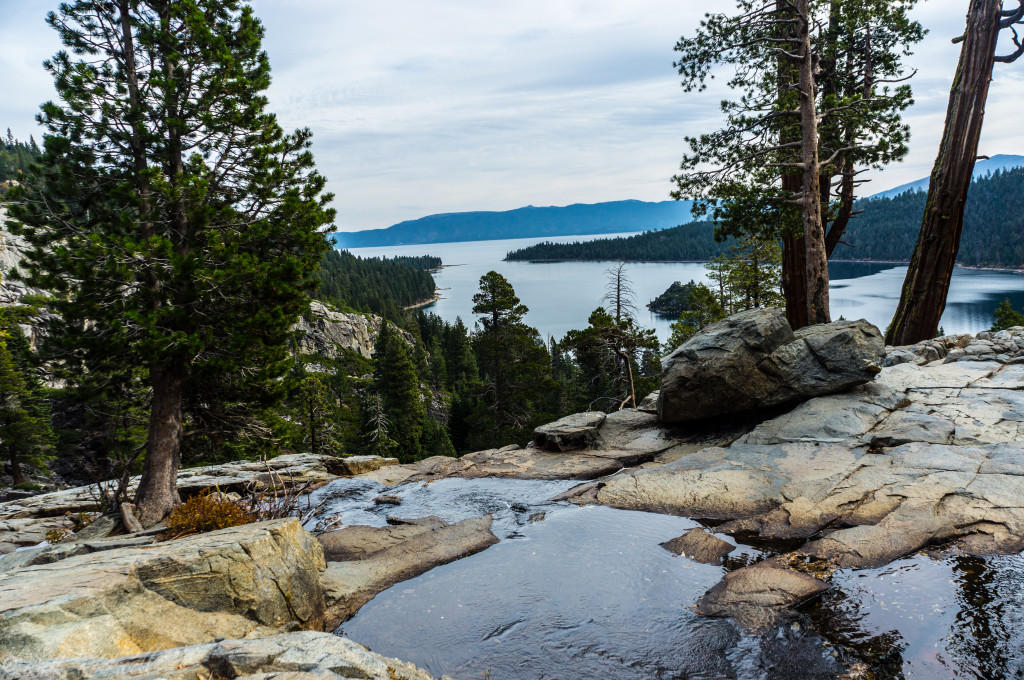
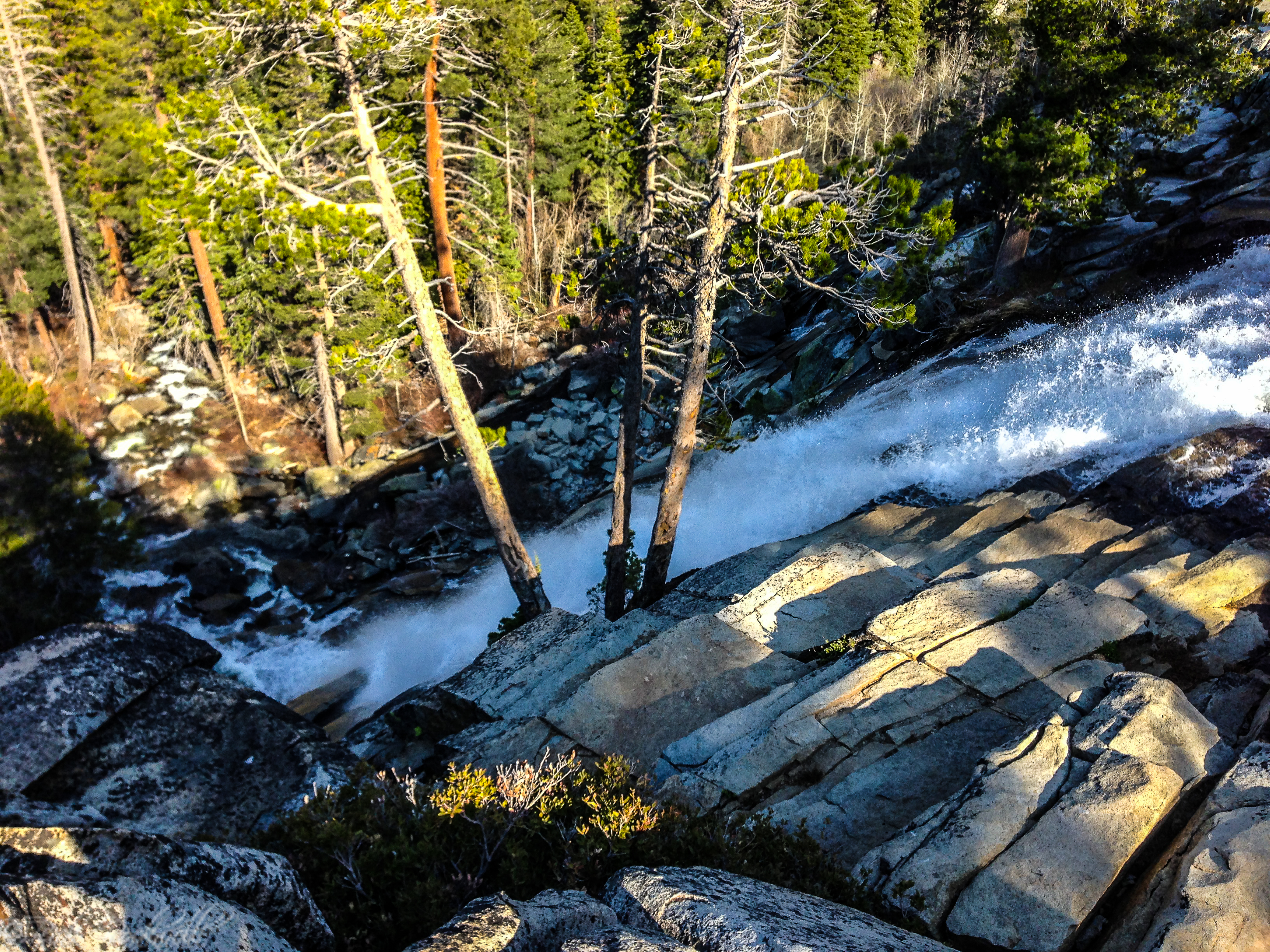
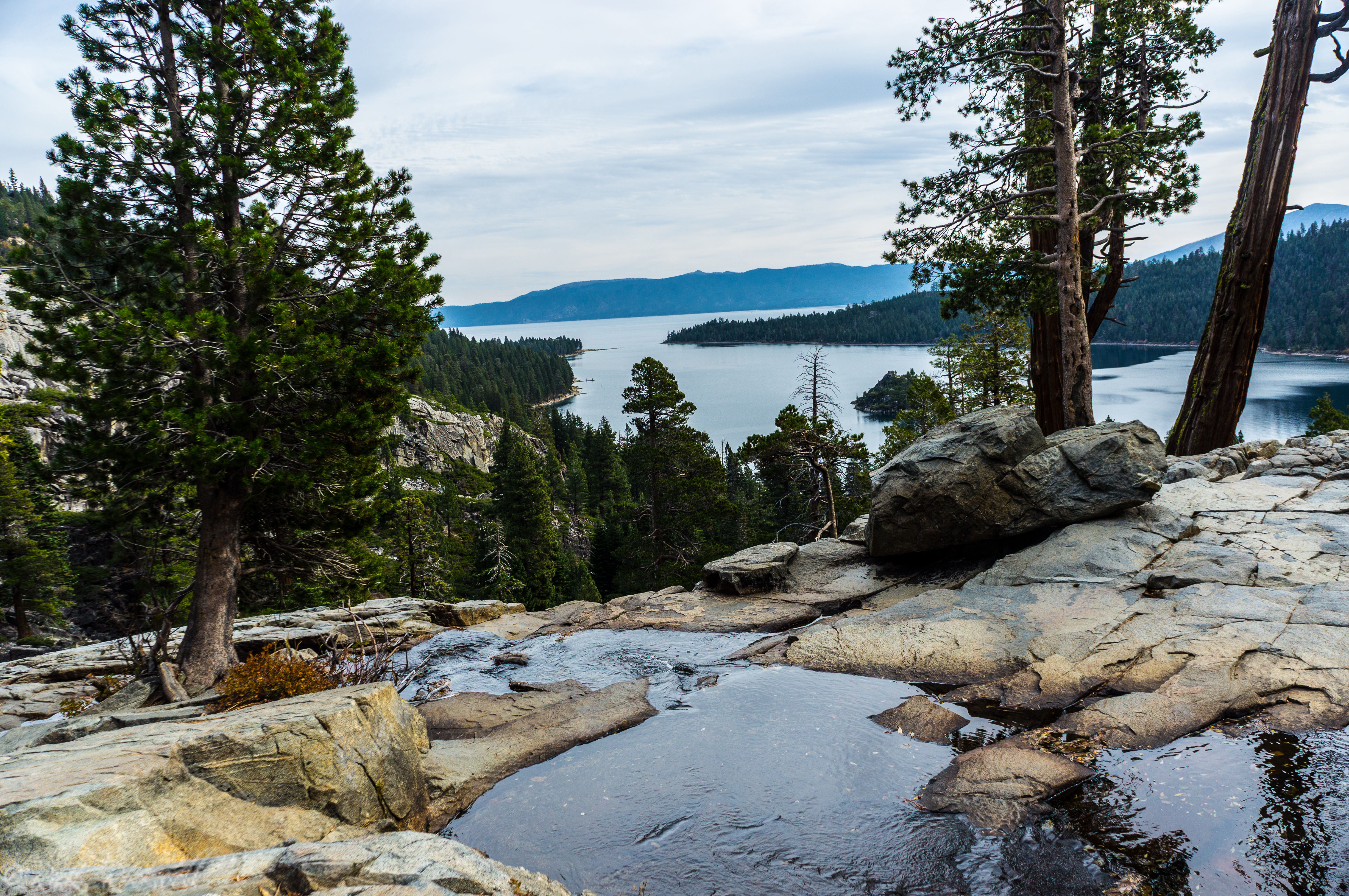
Top of Lower Eagle Falls
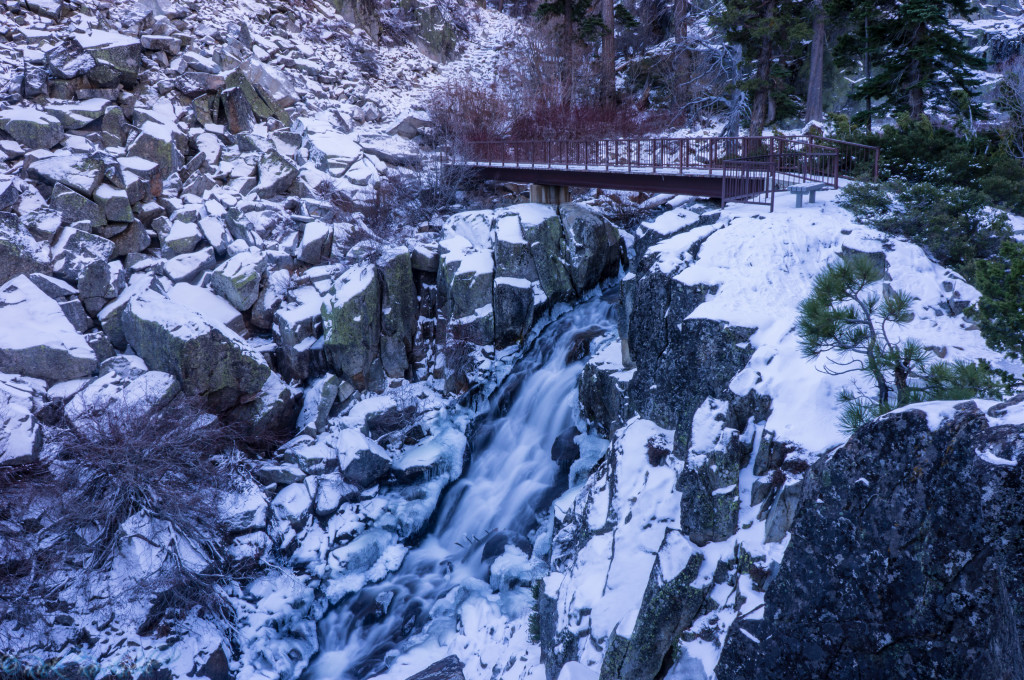
Top of Lower Eagle Falls

Upper Eagle Falls: The Higher Cascade Experience

  • Location: Above Highway 89 near the Eagle Falls Picnic Area and Trailhead
  • Height: Roughly 50 feet
  • Best for: Visitors who want a more active waterfall experience or are hiking toward Eagle Lake
  • Access: Seen from the Eagle Falls Trail route
  • Walk length: Reached on the early part of the hike from the trailhead
  • Difficulty: Moderate, with a steeper climb and rocky trail compared with Lower Eagle Falls
  • Water source: Eagle Creek, the same drainage that feeds Lower Eagle Falls
  • Best season: Spring and early summer for the most dramatic runoff
  • What makes it special: More rugged and immersive than Lower Eagle Falls
  • Good to know: Often experienced as part of the Eagle Falls Trail to Eagle Lake


Upper Eagle Falls is the more active side of the Eagle Falls experience. Reached from the Eagle Falls Trailhead, it feels more like a hiker’s waterfall than a casual roadside stop. This is where the landscape starts to transition from scenic corridor to true mountain trail.

After leaving the trailhead, the path begins climbing almost immediately. Before long, hikers reach the creek and the higher falls area, where Eagle Creek moves through granite in a dramatic, energetic setting. This upper section often becomes one of the first scenic rewards on the hike toward Eagle Lake.

What makes Upper Eagle Falls especially appealing is that it feels more immersive. Instead of viewing a short waterfall stop as part of a roadside outing, visitors are entering the mountain environment directly. The granite, sound of the creek, and sense of elevation all make the upper section feel more rugged and more connected to the Destination Wilderness above.

For some visitors, Upper Eagle Falls is enough of a reward on its own. For others, it becomes the opening act for the hike to Eagle Lake and beyond.

a view of Upper Eagle falls during the winter

Lower vs. Upper Eagle Falls: What’s the Difference?

The simplest way to think about it is this: Lower Eagle Falls is the easier, shorter distance outing. It is the better choice for casual visitors, sightseers, and people already spending time at Emerald Bay.

Upper Eagle Falls is the more active experience tied to the trailhead and the climb toward Eagle Lake. It takes more effort, includes a steeper start, and feels more like part of a real hike.

If you want the quickest waterfall payoff, Lower Eagle Falls is the better bet. If you want a more adventurous outing and do not mind some climbing, Upper Eagle Falls adds a stronger sense of movement and immersion.

The good news is that you do not necessarily have to choose just one. Many visitors can structure the day around both, especially if Eagle Falls is part of a larger Emerald Bay visit.

What to Expect on the Walks

One of the most common mistakes visitors make is assuming short means effortless. In Tahoe, even relatively short walks can include uneven surfaces, grade changes, and footing that requires attention. That is true around Eagle Falls as well.

Lower Eagle Falls is the easier of the two experiences, but it is still best approached with decent footwear and realistic expectations. Upper Eagle Falls, reached from the trailhead, involves more climbing and feels more clearly like the beginning of a hike.

Neither experience requires a huge backcountry commitment, but both are more enjoyable if you are prepared for mountain terrain rather than a paved park stroll.

Parking, Access, and Crowds

Parking is one of the biggest factors whenn visiting Eagle Falls. This is not a secret stop, and the Emerald Bay corridor is one of the busiest areas in the Tahoe Basin, especially during peak season.

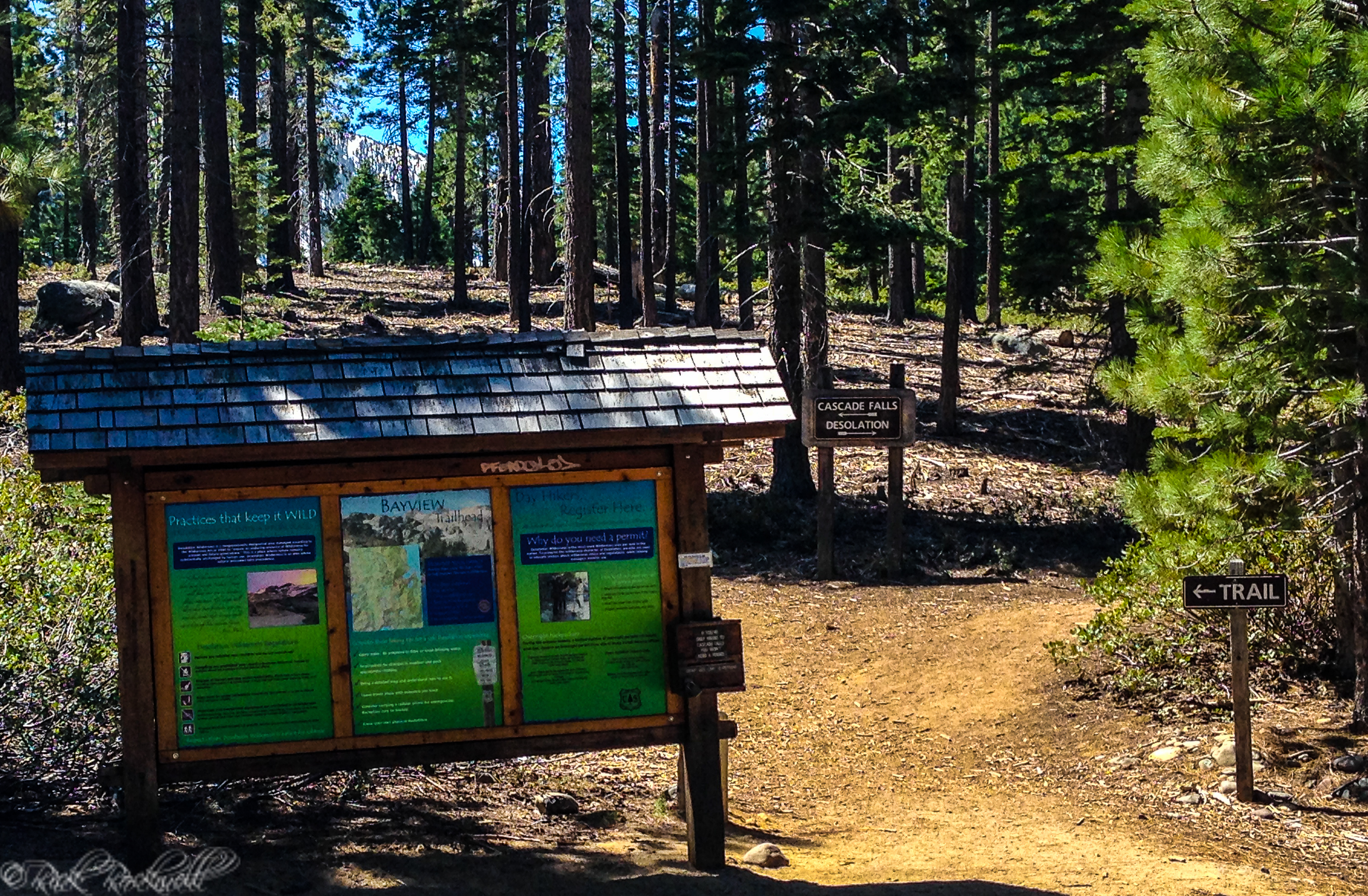
On the trailhead side, visitors should expect designated parking tied to the Eagle Falls Picnic Area and Trailhead. This side is especially important for hikers heading toward Upper Eagle Falls, Eagle Lake, or deeper wilderness destinations. During busy weekends, the area can fill quickly. There is a fee to park here.

On the Emerald Bay side, the visitor center and surrounding viewpoints also attract heavy traffic during summer and fall. This means that timing can matter almost as much as interest. Early mornings and later afternoons generally offer a better experience than the middle of a crowded summer day.

If Eagle Falls is high on your list, it is worth planning the timing of your stop instead of assuming you can easily slide in whenever you happen to arrive.
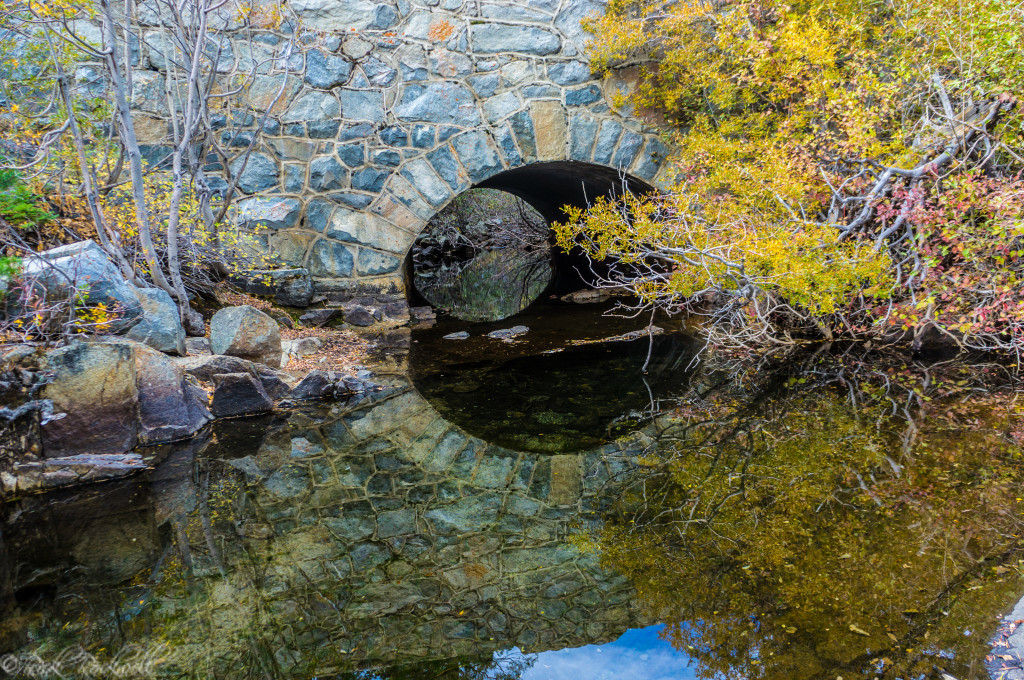
Eagle Creek flowing under the Highway

Eagle Creek flowing under the Highway

Best Time to Visit Eagle Falls

The best time to visit depends on what kind of experience you want. If your priority is seeing the strongest water flow, late spring and early summer are usually the most impressive. This is when runoff can make Eagle Creek look and sound especially powerful.

If your priority is easier travel and slightly less chaotic conditions, weekdays outside the peak summer rush can be a better choice. Late summer and early fall may bring lower flow, but the area still delivers beautiful scenery, and the granite and Emerald Bay backdrop remain a huge part of the appeal.

In colder seasons, visitors often trade smaller crowds for cooler temperatures and more variable access. That can still be worthwhile, but it is a good idea to check conditions before heading out.

Things to Do Near Eagle Falls

Emerald Bay Overlook – One of the best viewpoints at Lake Tahoe, this classic stop gives you sweeping views of Emerald Bay, Fannette Island, and the surrounding granite peaks.

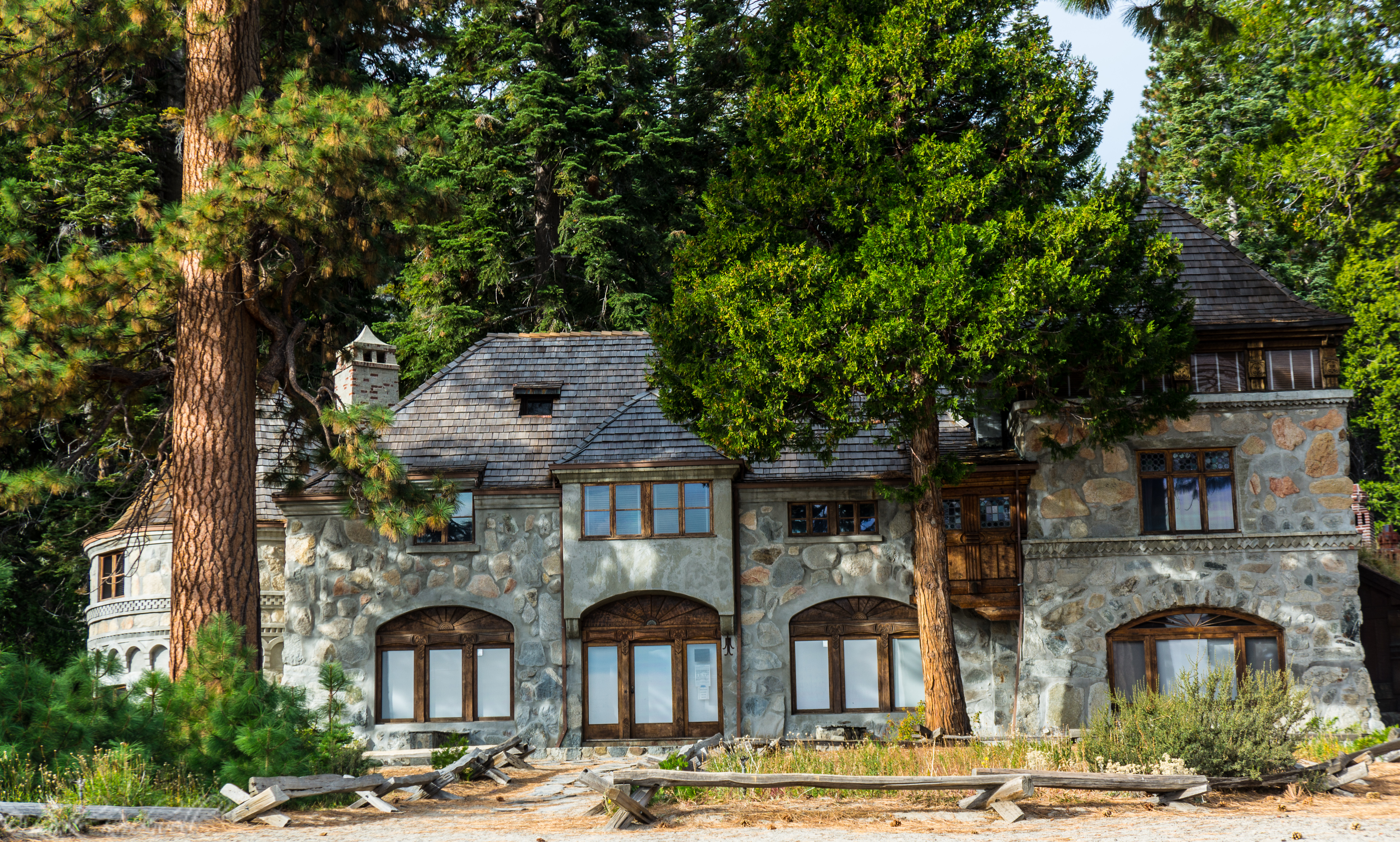
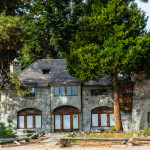
Vikingsholm – This historic Scandinavian-style Vikingsholm mansion at the bottom of Emerald Bay is one of Tahoe’s most fascinating landmarks and a great way to add history to your visit.

Fannette Island – The only island in Lake Tahoe, Fannette Island is one of Emerald Bay’s most recognizable sights. In addition to its colorful history, the island is said to be a haunted place.

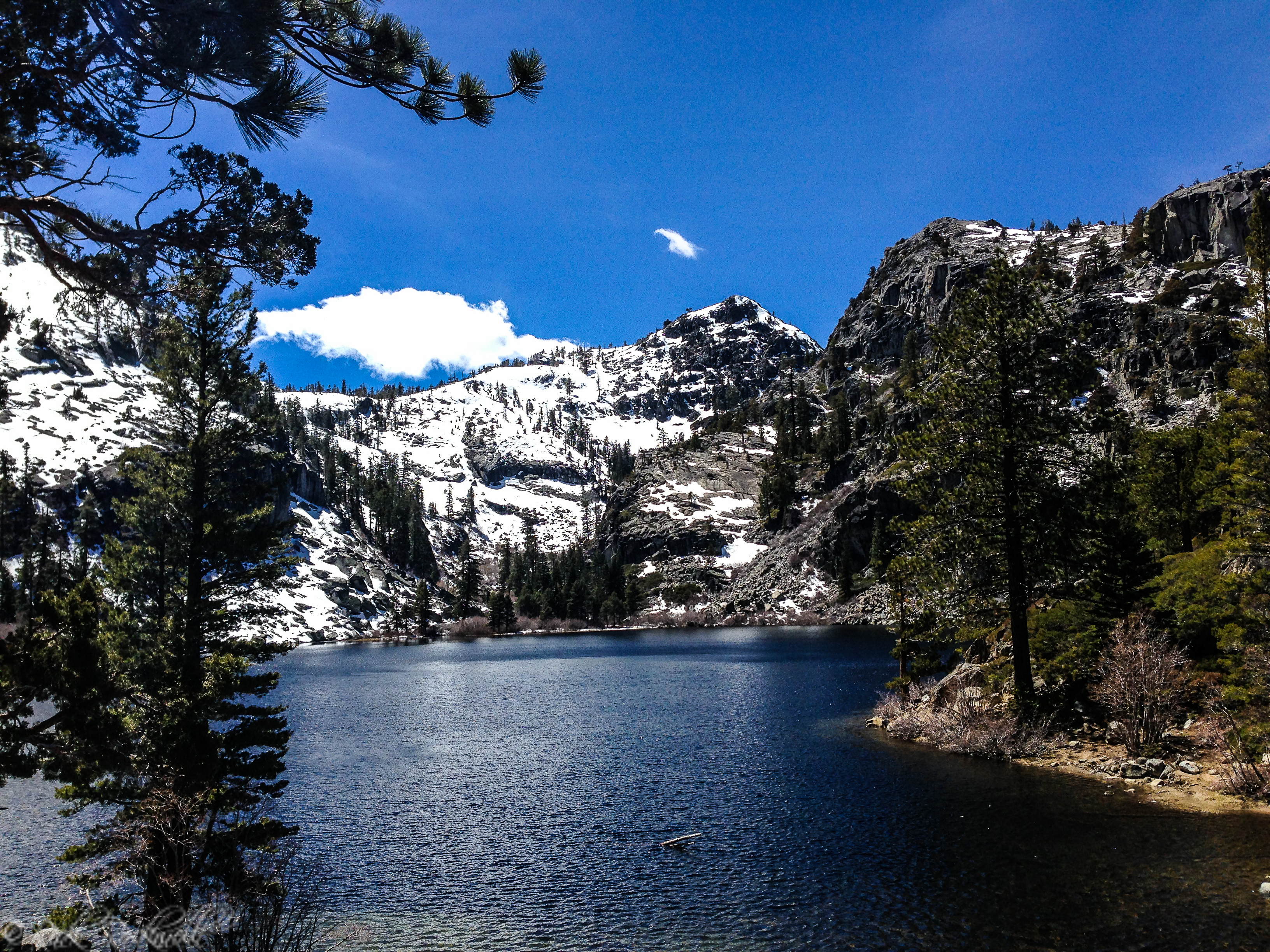
Eagle Lake Trail – If you want to turn your waterfall stop into a real hike, the trail to Eagle Lake offers a beautiful alpine lake destination above Emerald Bay.

Inspiration Point – This nearby overlook is one of the most famous photo stops in the Tahoe Basin and an easy add-on to any Emerald Bay outing.

Rubicon Trail – The Rubicon Trail offers one of the best scenic hikes in the area, with lake views, forested stretches, and access to more of Emerald Bay State Park.

Emerald Bay Maritime Heritage Underwater Trail – This unusual underwater trail lets divers and snorkelers explore submerged historic watercraft.

Emerald Bay Visitor Center – A useful stop for orientation, exhibits, and trip planning, the visitor center helps put the natural and cultural history of the bay into context.

Is Eagle Falls Worth Visiting?

Yes. Eagle Falls is absolutely worth visiting, especially if you are already exploring Emerald Bay and the South or West regions of Lake Tahoe.

Eagle Falls is best understood as a waterfall system rather than a single stop. Lower Eagle Falls gives you the shorter, easier scenic outing. Upper Eagle Falls adds a more rugged, trail-linked experience that connects directly to the mountain terrain above Emerald Bay.

Together, they make Eagle Falls one of the most rewarding waterfall destinations in Lake Tahoe. It is scenic, flexible, and closely tied to one of California’s most beautiful state park settings. Whether you are after a quick stop or the beginning of a bigger adventure, Eagle Falls earns its reputation.

That versatility is rare. Many destinations are either quick scenic pullouts or full hikes. Eagle Falls manages to be both, depending on how you approach it.

For the best experience, visit Eagle Falls during peak flow and make sure to get out there early or on a weekday when there’s less crowds.
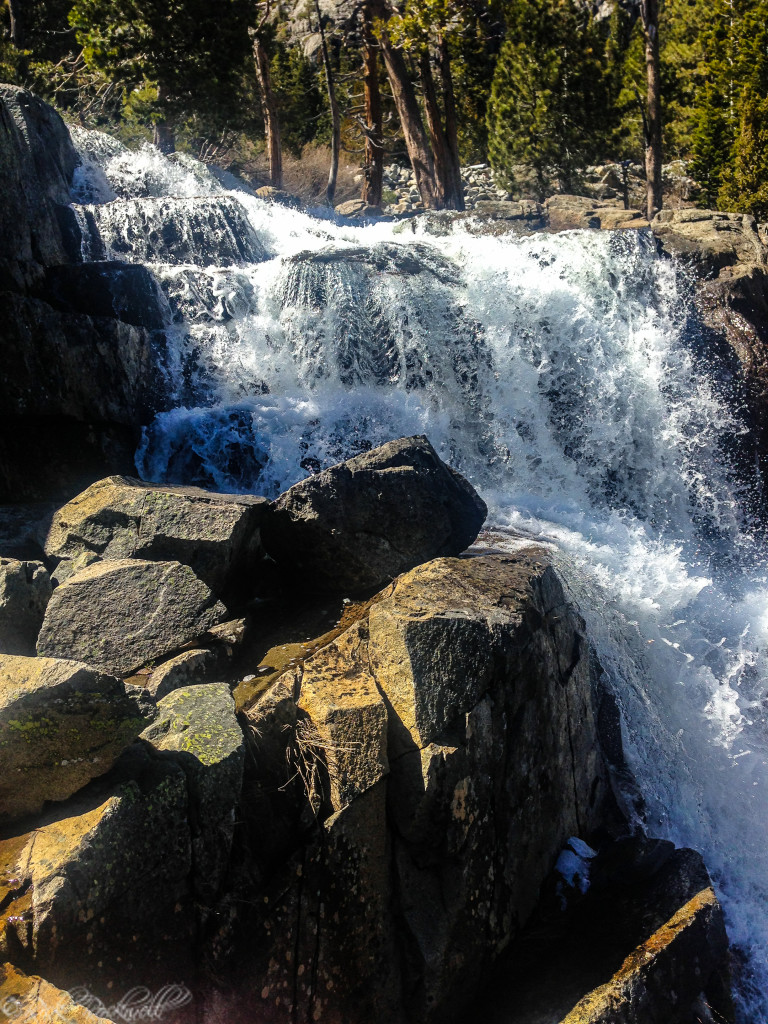
 

Lower Eagle Falls in the Spring
Lower Eagle Falls in the Spring
Eagle Falls FAQ

Where is Eagle Falls in Lake Tahoe?

Eagle Falls (Lower) is in the Emerald Bay area on the southwest side of Lake Tahoe along Highway 89. Upper Eagle Falls is accessed via the Trailhead parking across the highway from Lower Eagle Falls.

Is Lower Eagle Falls different from Upper Eagle Falls?

Yes. Lower Eagle Falls is the easier scenic stop associated with the Emerald Bay visitor area, while Upper Eagle Falls is tied to the trailhead and the hike toward Eagle Lake.

Do you have to hike to see Eagle Falls?

You can enjoy the lower portion without committing to a full hike. The upper section is more closely tied to the hiking route.

When does Eagle Falls have the most water?

Late spring and early summer are usually the best times for stronger flow.

What should I bring?

Good shoes, water, a camera, and realistic expectations about crowds and uneven terrain.

Sources

California State Parks — Emerald Bay State Park

https://www.parks.ca.gov/?page_id=506

California State Parks — D.L. Bliss / Emerald Bay brochure PDF

https://www.parks.ca.gov/pages/506/files/DLBlissEmeraldBayFinalWeb122917.pdf

U.S. Forest Service — Eagle Falls Picnic Area and Trailhead

https://www.fs.usda.gov/r05/laketahoebasin/recreation/eagle-falls-picnic-area-and-trailhead

Tripadvisor — Lower Eagle Falls

https://www.tripadvisor.com/Attraction_Review-g1798615-d6413112-Reviews-Lower_Eagle_Falls-South_Lake_Tahoe_Lake_Tahoe_California_California.html


Check out more of my Lake Tahoe adventures.


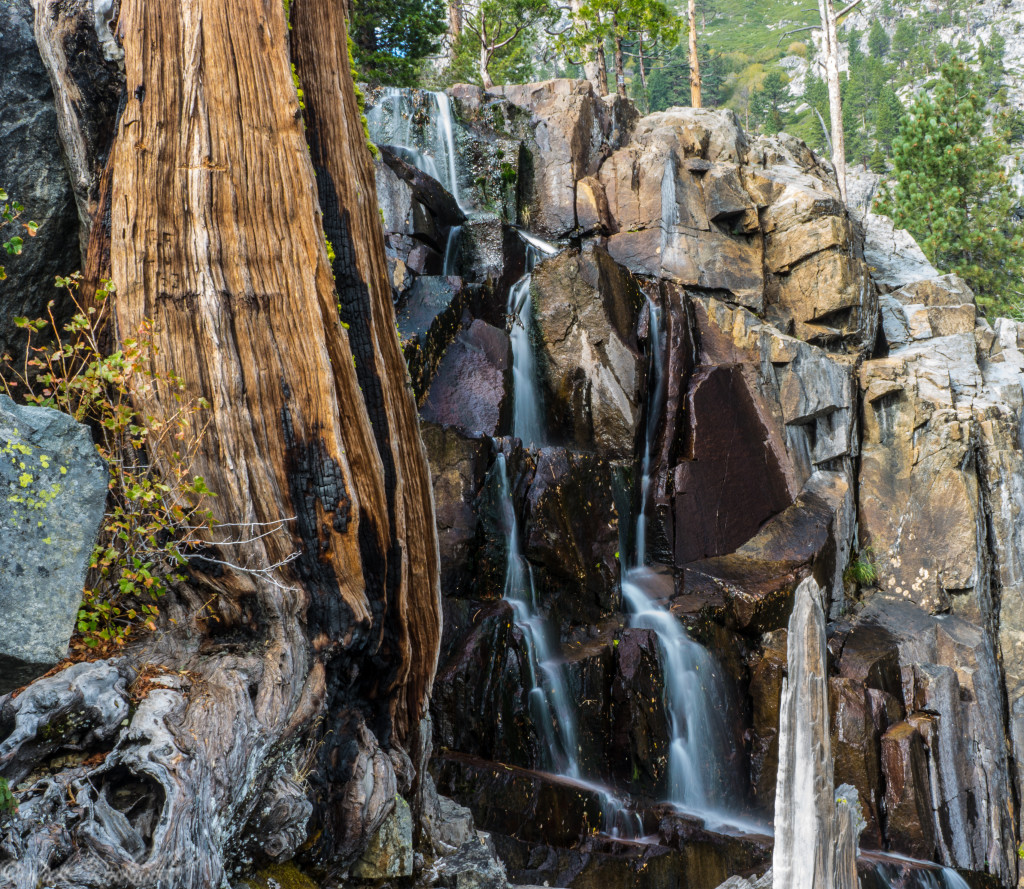
The trickle of Lower Eagle Falls in October

The trickle of Lower Eagle Falls in October


[mc4wp_form id="4451"]
Close
error: Content is protected !!