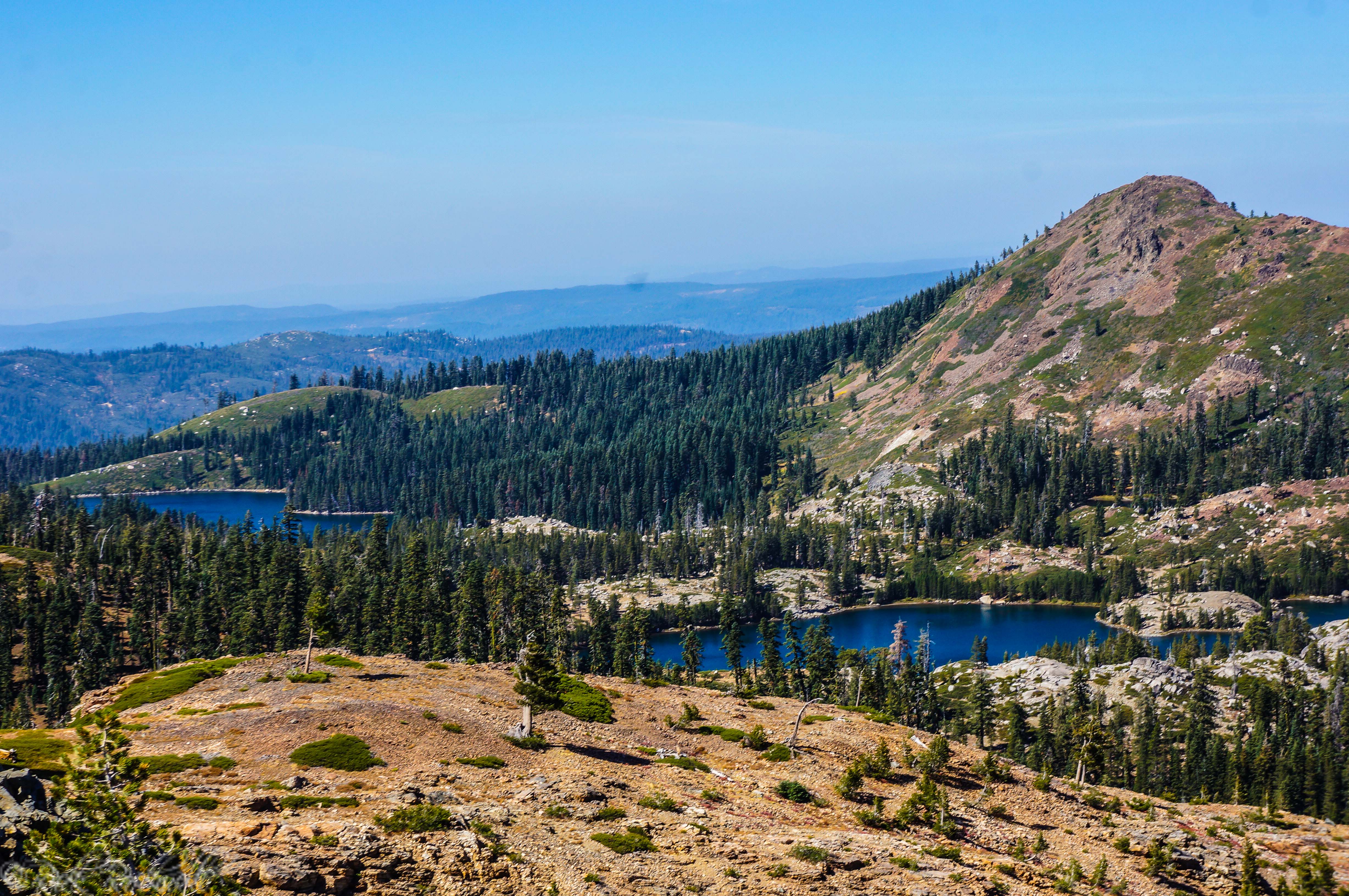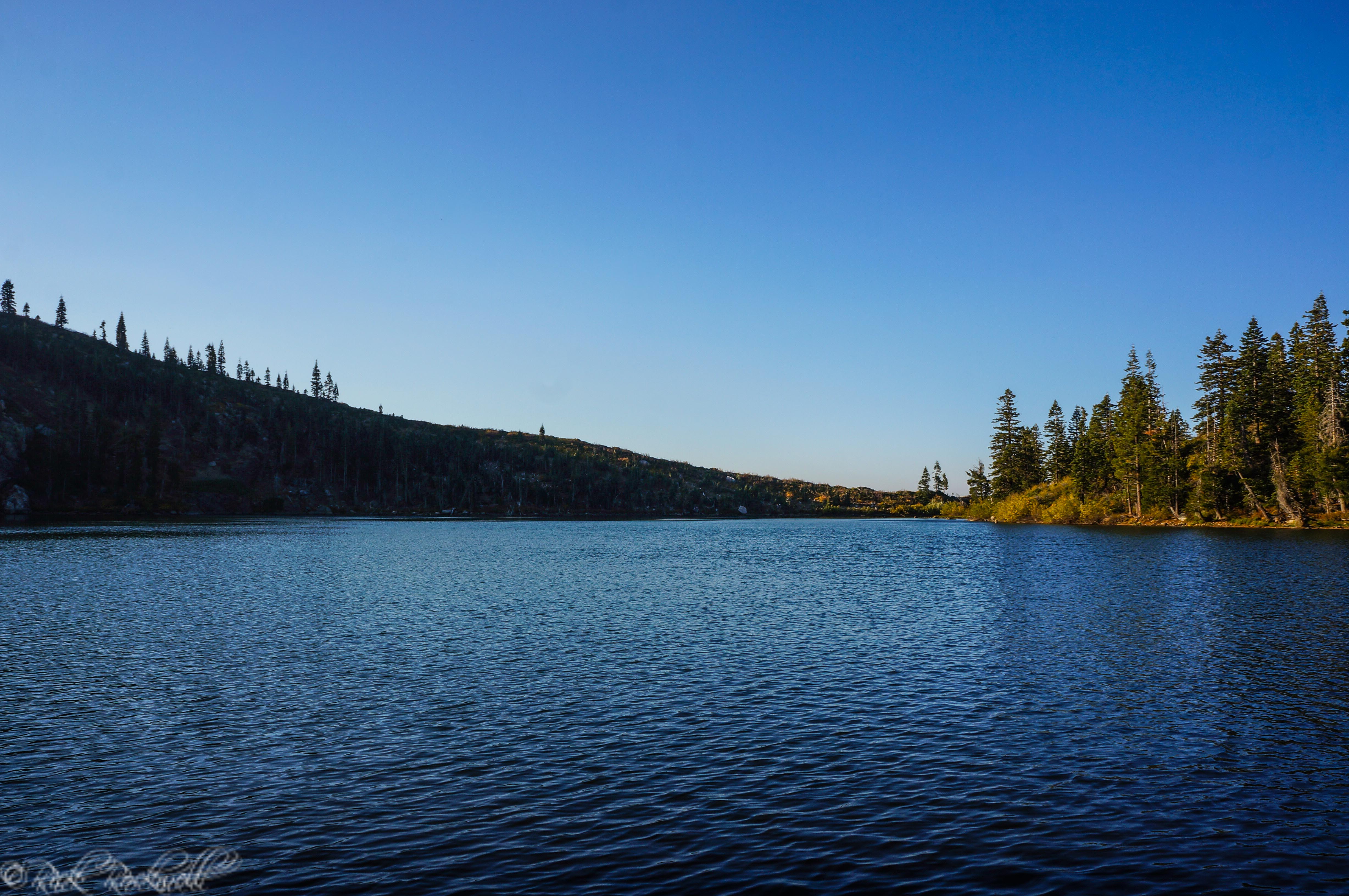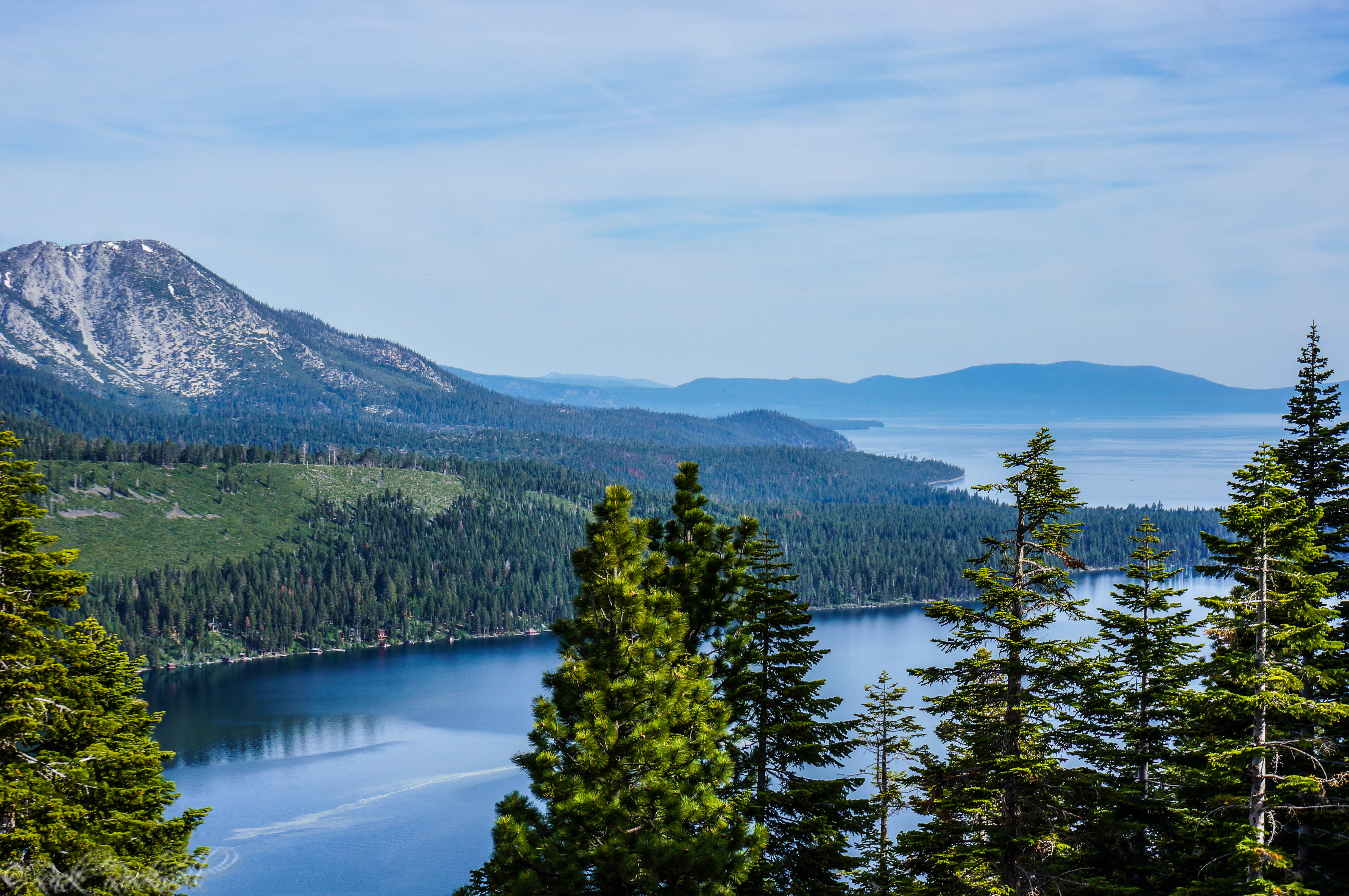
If you’re searching for Fallen Leaf Lake, California, you’re probably looking for a quieter, less crowded alpine lake near South Lake Tahoe that still offers scenery, easy access, and plenty of things to do.
Fallen Leaf Lake delivers exactly that, and more. Just southwest of the main Tahoe shoreline, this mountain lake sits near South Lake Tahoe and offers camping, paddling, swimming, trail access, and a calmer atmosphere than the busier Tahoe beaches and marinas. Nearby recreation includes Mt. Tallac, Glen Alpine, Taylor Creek, the Angora Lakes, and the historic estates at Tallac Historic Site.
What makes Fallen Leaf stand out is the balance. It feels tucked away, but it is not remote in the difficult sense. You can reach it quickly from town, yet once you arrive, the setting feels far more relaxed than the main South Shore corridor. That makes it a strong option for travelers who want classic Tahoe-area scenery without centering their trip on locations with the biggest crowds.
Fallen Leaf Lake Quick Facts
- Location: Southwest of South Lake Tahoe.
- Directions: Reached from Highway 89 via Fallen Leaf Lake Road.
- Elevation: The lake area sits at roughly 6,300 feet.
- Top activities: Camping, hiking, kayaking, paddleboarding, swimming, fishing, scenic drives, and nearby wilderness access.
- Camping: Fallen Leaf Campground has over 200 sites.
- Seasonal access: Campground and lake-area services are seasonal; winter road and facility closures are common.
How to Get to Fallen Leaf Lake
For those of you are that familiar with the Lake Tahoe region, Fallen Leaf Lake is an easy drive from the region’s crown jewel. Those traveling here for the first time, the lake is very easy to find.
Fallen Leaf Lake Directions
Fallen Leaf Lake is reached from Highway 89 near South Lake Tahoe. The main turnoff is Fallen Leaf Lake Road, which leads toward the lake, campground, marina, and nearby trailheads.
From Sacramento and Placerville to Fallen Leaf Lake
From Sacramento, Fallen Leaf Lake is generally a practical weekend or day-trip destination, usually around a two-hour drive depending on traffic and weather.
From Placerville, it is typically around an hour-plus via Highway 50 toward South Lake Tahoe before connecting to Highway 89.
Road conditions and seasonal closures
This is one of the most important things to know before you go. The Lake Tahoe Basin Management Unit posts seasonal winter closures for roads, buildings, restrooms, parking areas, campgrounds, interpretive sites, and other recreation facilities. Make sure to check the official LTBMU site for the latest closures.
Fallen Leaf Lake History
Before Fallen Leaf Lake was known for camping and kayaking, the surrounding Tahoe Basin was part of the traditional homeland of the Washoe people, whose seasonal lifeways were closely tied to the lake, mountains, and meadows of the region. That Indigenous history gives Fallen Leaf Lake a deeper story than its quiet shoreline first suggests. Continue reading about the history of Fallen Leaf Lake and how this body of water got its name.
Fallen Leaf Lake Camping Guide
Fallen Leaf Lake is an excellent option for camping in the Lake Tahoe region. This campground has over 200 campsites which includes traditional sites and yurts. It’s one of the largest campgrounds near Lake Tahoe. The location is very convenient as you are positioned near major trail access, lake activities, and not too far from the general store, marina, or main highway.
Campground Amenities
This is a more comfortable campground than a bare-bones forest site. Some highlights include: restrooms, nearby general store, café, and marina at Fallen Leaf Lake.
The store/café offers groceries, grill and deli food, public restrooms, breakfast and lunch service, and ice cream. The marina offers boat launching, mooring, kayak and paddleboard access, rental boats, and a small public beach. Fees range from $5.00 for non-motorized to $75 for motorized vessels.
Reservations and Fees
Because of the location near South Lake Tahoe, this is not a campground where you should assume easy last-minute availability in peak summer. Recreation.gov is the booking source and should be treated as the current source of truth for reservations and pricing. Currently, fees range from $47 for non-electric sites to $126 for cabins.
Best Hiking Trails Near Fallen Leaf Lake
Fallen Leaf Lake is a shining example of being a central hub to many activities including hiking. The following hikes are popular options for this region:
Mt. Tallac Trail
This is the area’s marquee hike. It is the big scenic objective above Fallen Leaf Lake and Lake Tahoe, and it is the strongest option for hikers wanting a challenge and a payoff. Mount Tallac Trail is a 9.7-mile, strenuous hike.
For many visitors, this is the signature hike near Fallen Leaf Lake, with wide basin views and a more demanding climb than casual day hikers may expect.
Trailhead: Mt. Tallac Trailhead
Time: 8 to 12 hours depending on pace
Best for: Strong hikers wanting a classic summit day.
Difficulty: Hard/strenuous.
Why it stands out: Big views over Lake Tahoe, Fallen Leaf Lake, and the surrounding basin.
Floating Island and Cathedral Lakes Trail
This is a better middle-ground choice for visitors who want alpine scenery without committing to the full Mt. Tallac summit push. It measures at 5-5.5 miles round trip and is considered to be moderate, making it one of the more approachable scenic hikes in the area.
Floating Island Lake sits roughly 1.7 miles down the trail. Cathedral Lake is estimated to be 2.5 miles in distance. If you decide to push on past this point, you will continue down the strenuous portion of the trail up to Mt. Tallac.
Trailhead: Mt. Tallac Trailhead
Time: 2.5 to 3.5 hours (all the way to Cathedral Lake and back)
Best for: Moderate hikers and strong half-day outings.
Difficulty: Moderate.
Why it stands out: Lakes, forest, and a good taste of the basin without an all-day sufferfest.
Moraine Trail
The Moraine Trail is a family-friendly stroll that begins at the Fallen Leaf Lake Campground. It’s attractive for families and hikers of all ages and measures in at a 2-2.2 mile round trip hike along the shore of Fallen Leaf Lake.
Trailhead: Fallen Leaf Lake Campground
Time: 1 to 3 hours
Best for: Families, casual visitors, campground walkers.
Difficulty: Easy.
Why it stands out: Direct campground access and lower commitment.
Rainbow Trail and Taylor Creek area
For an easy nature stop close to Fallen Leaf Lake, the Rainbow Trail and Taylor Creek area add value. The visitor center is directly across Highway 89 from the campground. The Rainbow Trail is listed at 0.7 miles in length and an easy stroll with paved sections.
Trailhead: Taylor Creek Visitors Center
Time: 1 to 2 hours
Best for: Families, short scenic walks, educational stops.
Difficulty: Easy.
Why it stands out: Quick access and interpretive value.
Fallen Leaf Lake Trail
If you want a hike that’s longer than the Moraine Trail, but also starts in the Campground, then this is the perfect option. The Fallen Leaf Lake Trail is roughly four miles out and back, and is an easy hike along the Eastern shore of the lake.
Trailhead: Fallen Leaf Lake Campground
Time: 1 to 3 hours
Best for: Families, casual visitors, campground walkers.
Difficulty: Easy.
Why it stands out: Direct campground access and lower commitment.
Glen Alpine Trailhead is a Gateway to Numerous Destinations
Continuing along Fallen Leaf Lake, head around the lake until you see the sign for Glen Alpine Trailhead. Parking will be across from Lily Lake. This trailhead is a popular one and can get quite busy during weekends and summer months. The Glen Alpine Trailhead provides access to the following locations:
Destination | Miles one way | Difficulty |
Lower Glen Alpine Falls | Near Trailhead | Easy |
Upper Glen/Modjeska Falls | 0.5 miles | Easy |
Old Springs Resort | 1 mile | Easy |
Angora Lakes | 2.1 miles | Difficult |
Grass Lake | 2.3 miles | Easy/Moderate |
Susie Lake | 3.8 miles | Moderate |
Heather Lake | 4.9 miles | Moderate |
Half Moon Lake | 5.5 miles | Moderate |
Gilmore Lake | 3.9 miles | Moderate |
Lake Aloha | 5.8 miles | Difficult |
Dicks Pass | 5.4 miles | Difficult |
Mt. Tallac | 5.7 miles | Difficult |
Lily Lake Trail to Angora Lakes
The Lily Lake Trail is the newest pathway in this region. Opened in 2021, this trail takes you from Lily Lake at the Glen Alpine Trailhead all the way up the backside of Angora Peak to the Angora Lakes parking area. It’s a 2.1-mile hike one way and gains 800 feet in elevation. This hike is considered moderate to difficult and is ideal for advanced hikers.
Trailhead: Glen Alpine Trailhead
Time: 2 to 4 hours
Best for: Experienced hikers
Difficulty: Hard
Why it stands out: The newest trail in this region.
Desolation Wilderness Permit Details
If your hike extends into Desolation Wilderness, check permit requirements before going. Nearby trailheads such as Glen Alpine and Mt. Tallac are common gateways for day hiking and backpacking into that wilderness zone.
Kayaking and Water Activities at Fallen Leaf Lake
The marina at Fallen Leaf Lake offers more than just a launch ramp. Official marina info lists pontoon and fishing boat rentals, kayaks, paddle boards, launching, fuel, mooring, and a small public beach. That means you do not have to bring your own gear to enjoy the water, which makes the lake more visitor-friendly than many people realize.
For visitors focused on Fallen Leaf Lake kayaking, this is one of the biggest practical advantages. You can paddle the lake without building your whole trip around transporting your own boat. The marina also notes non-motorized vessel washing, and boating rules include aquatic invasive species precautions.
Swimming is also popular here, especially in warm weather, though like many Sierra lakes, the water can stay cold even in summer. The small public beach near the marina adds another useful detail that many general travel pages skip.
Underwater Forest at Fallen Leaf Lake
To the surprise of many, Fallen Leaf Lake is home to an underwater forest. While it may be hard to see the underwater trees when swimming or boating, diving could open up a whole new adventure for those experienced in this activity.
Nearby Attractions To Fallen Leaf Lake
There’s a great deal of places to visit around Lake Tahoe. The following attractions are specific to the Fallen Leaf Lake region.
St. Francis of the Mountains
St. Francis of the Mountains is a small chapel near Fallen Leaf Lake that adds a quaint historic touch to the area. Tucked along Fallen Leaf Road, it has become one of the most charming, photographed landmarks near the lake.
Angora Lakes
The Angora Lakes is a beautiful pair of alpine lakes reached by a short but steep trail, with granite cliffs, clear water, and a rustic resort atmosphere at the top. It is one of the most rewarding nearby outings for visitors who want a quick hike with a big scenic payoff.
Angora Fire Lookout
Angora Fire Lookout sits high above the South Shore and offers sweeping views over Fallen Leaf Lake, Lake Tahoe, and the surrounding mountains. Reached seasonally from Angora Ridge Road, it’s a worthwhile stop for visitors who want a scenic overlook without a major backcountry commitment.
Glen Alpine Waterfalls
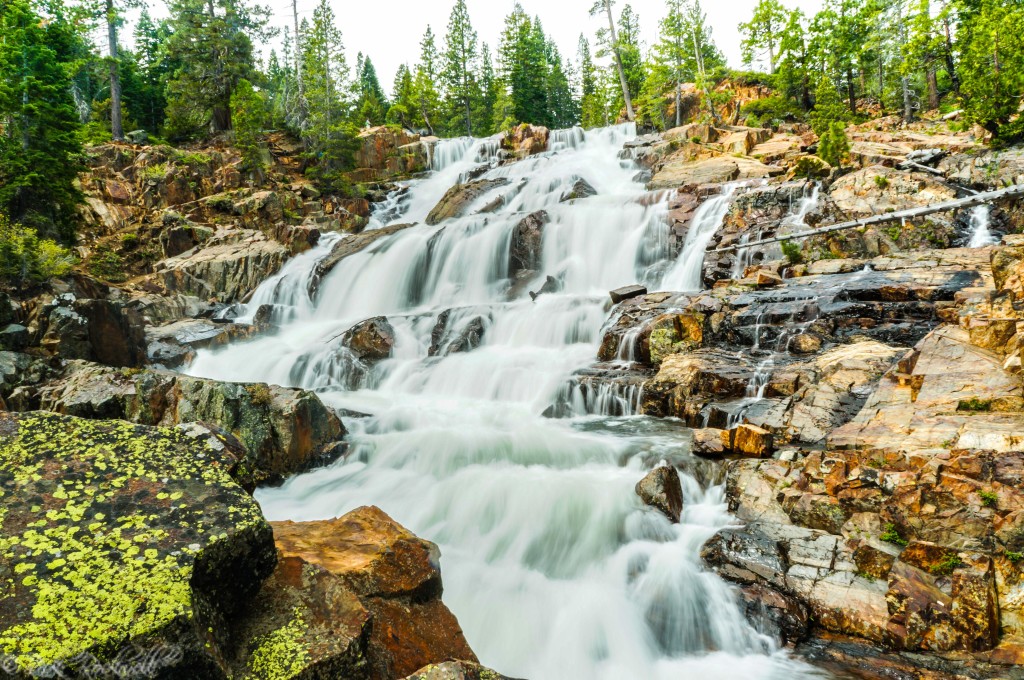
Glen Alpine Falls is a scenic waterfall stop near the Glen Alpine area, with both lower and upper falls (Modjeska Falls) providing a close-up look at rushing mountain water. The lower falls provide a more impactful experience with the roaring water. It’s an easy add-on for visitors exploring the trailhead area or heading deeper toward Desolation Wilderness.
Glen Alpine Springs Resort
Glen Alpine Springs Resort began as one of the Tahoe Basin’s earliest mountain resorts after Nathan Gilmore discovered the springs in 1863. Its history is tied to soda springs, early tourism, and even visits from John Muir, gives the Fallen Leaf Lake area another layer of historic character.
Tallac Historic Site
Just across from Fallen Leaf Lake Road, the Tallac Historic Site offers a look at Lake Tahoe’s resort history through restored estates, historic grounds, and interpretive programs. A century ago, the area was known as the “Grandest Resort in the World,” and today it remains one of the South Shore’s most interesting historic stops.
Taylor Creek Visitor Center
Located along Highway 89 near Fallen Leaf Lake, the Taylor Creek Visitor Center serves as an interpretive gateway to the Tahoe Basin, with several short self-guided trails starting right from the site. Highlights include the paved Rainbow Trail and the Stream Profile Chamber, where visitors can view trout and other aquatic life from an underground window.
Pope-Baldwin Bike Path
The Pope-Baldwin Bike Path is an easy paved route along Highway 89 that gives visitors a scenic way to explore the South Shore without driving. It also provides convenient bike access to places like Pope Beach and the nearby historic Tallac area.
Tips for Visiting Fallen Leaf Lake
Check road and facility status before leaving, especially outside peak summer, because winter closures affect roads, restrooms, parking, and recreation sites across this region.
Reserve camping early if you are planning a summer visit. This is a high-demand area near South Lake Tahoe.
Use the marina and store strategically. Rentals, launch services, food, and supplies on-site can simplify a day at the lake.
Treat bigger hikes with respect and proper planning. Mt. Tallac is not a casual stroll, and even shorter outings can feel harder at this increased elevation.
If you are bringing a boat, review invasive-species inspection and seal requirements before launch day.
Is It Worth Visiting Fallen Leaf Lake?
For travelers who want mountain scenery, accessible recreation, and a calmer atmosphere than the busiest parts of Lake Tahoe, Fallen Leaf Lake is one of the better choices in this region. I’ve been visiting the Tahoe Basin since I was a kid, and Fallen Leaf Lake is the best option outside of Lake Tahoe itself.
You can camp, hike, paddle, visit nearby historic and interpretive sites, venture off into Desolation Wilderness or keep the trip very simple. This variety of activities for adventurists of all levels, is what makes Fallen Leaf Lake an ideal Tahoe Basin destination.
Treat Fallen Leaf Lake, California, as a gateway or hub to fun, adventure, and dramatic scenery. As long as the roads and trails are open, the Fallen Lake Leaf area is a must-visit destination in the Tahoe Basin. Give yourself a couple of days to explore all that this area has to offer.
Fallen Leaf Lake FAQ
Is Fallen Leaf Lake open year-round?
The lake exists year-round, but standard visitor access is seasonal. Roads and recreation facilities in the basin commonly close for winter, and campground operations are seasonal.
Do you need a permit?
Permits may apply if your route enters Desolation Wilderness or other regulated backcountry areas.
Is it good for kayaking?
Yes. It is one of the better paddling lakes near South Lake Tahoe because there is on-site marina support plus kayak and paddleboard access.
Can you swim there?
Yes. The marina includes a small public beach, and warm-season swimming is a common lake activity.
Sources and Further Reading
• Recreation.gov — Fallen Leaf Campground
https://www.recreation.gov/camping/campgrounds/232769
• AllTrails — Fallen Leaf Lake Trail and nearby trail listings
https://www.alltrails.com/trail/us/california/fallen-leaf-lake-trail–4
• U.S. Forest Service — Winter Trek Teacher’s Handbook, Lake Tahoe geology/history
https://www.fs.usda.gov/media/142498
• Fallen Leaf Lake Community Services District — Marina
https://fllcsd.org/facilities/marina/
• Fallen Leaf Lake Community Services District — General Store & Cafe
https://fllcsd.org/facilities/general-store-cafe/
• U.S. Forest Service — Winter facility and road closures in the Lake Tahoe Basin
https://www.fs.usda.gov/r05/laketahoebasin/alerts/national-forest-roads-and-facilities-closed-winter