California his home to 58 counties, nearly 500 cities or towns, and thousands of Natural Landmarks like lakes, rivers, mountains and valleys.
And, with the state being rich in Native American history and cultures, it should come as no surprise that there’s a healthy percentage of California place names with a Native American origin.
The following is a growing list of Native American place names in California:
Counties and Related Landmarks
Inyo (County, Mountains, National Forest) – possibly the name for the mountains from Mono tribe or name of a Timbisha tribal chief.
Marin (County, City, Headlands) – named for a Coast Miwok chief
Modoc (County, National Forest, Plateau) – named after the Modoc people
Mono (County, Lake, Village) – from Yokuts monachi meaning “those from the Sierra Nevada” or “fly people.” The Lake was named first(1852), and the County was named in 1861.
Napa (County, Valley, City, River) – from Patwin napo meaning “home” or “house”. Another theory is that it’s a Wappo word with variable meanings from “village” to “fish”.
Shasta (County, Lake, Dam, Mountain, etc.) – the English translation for the Shasta people. It remains a sacred site to these tribes.
Siskiyou (County, Mountains) – likely from Chinook Jargon phrase “bob-tailed horse”. Another theory is that it’s French for “six cailloux” which means six stones in English.
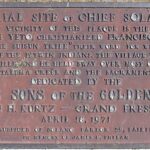
Solano (County) – named after a prominent Suisun chief “Chief Solano” aka Sem-Yeto.
Sonoma (County, City, Valley, Mountains) – origin of this name is debate as there are several theories. Possibly Pomo for “valley of the moon”, name of the tribe there “Chucuines or Sonomas”, a common Native American word in this region tso-noma which means “earth village”, or a Pawtin word that means “nose.”
Tehama (County, City, Mount Tehama) – Wintuan word for “high water”
Tuolumne (County, River, Meadows) – probably from talmalamne: “cluster of stone wigwams,” unknown origin, Another translation could mean “people who dwell in stone houses.” A third theory says it could also mean “Many Stone Houses,” “The Land of Mountain Lions” or “Straight Up Steep.”
Yolo (County, Village) – Patwin yo-loy: “a place abounding in rushes”
Natural Features & Other Landmarks
Ahjumawi Lava Springs State Park: named after the Achomawi tribe (river people)
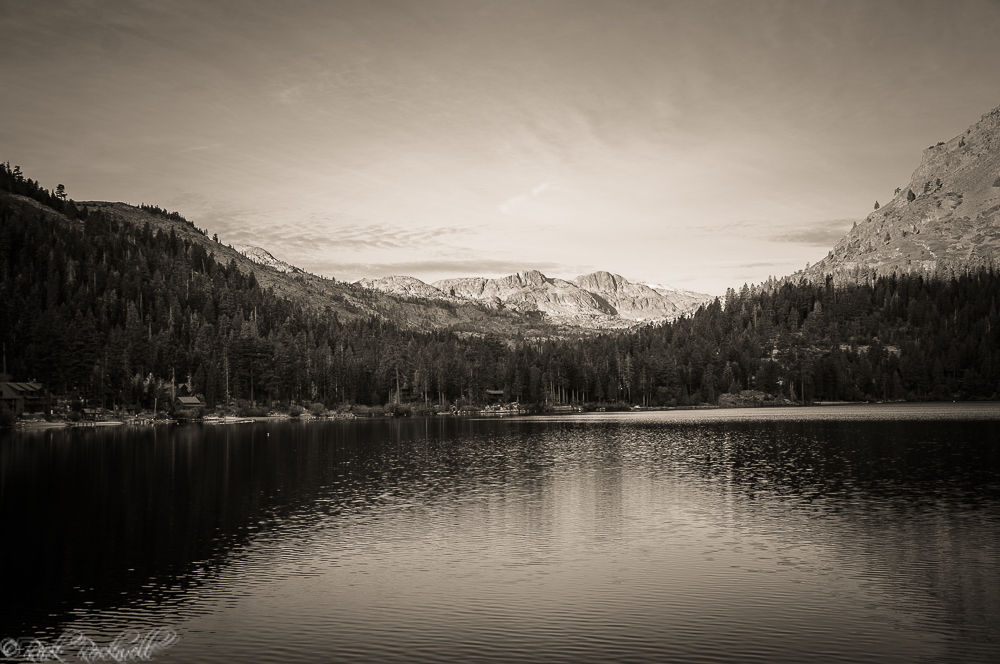
Fallen Leaf Lake: named after a Native American legend, or a Delaware Chief.
Tahquitz Canyon: named for a Cahuilla figure of legends (Tahquitz)
Temescal Canyon, Creek, Mountains: “Temescal” from Indigenous/Spanish for “sweat lodge”. It’s believed to come from the Nahuatl language.
Anacapa Island – Chumash word anyapax which means “mirage illusion”
Mojave Desert – named after the Mohave people. Two Indian words aha and macave which translates to “along or beside the water.”
Yosemite – Miwok term yohhe’meti which means “they are killers.” The Ahwahneechee people called this region Ahwahnee which means “big mouth.”
Cities, Communities and Settlements
| Name | County | Meaning / Origin |
|---|---|---|
| Acalanes Ridge | Contra Costa | From Costanoan/Saklan village Ahala-n |
| Rancho Acalanes | Contra Costa | From Costanoan/Saklan village Ahala-n |
| Aguanga | Riverside | Luiseño awáanga, “dog place” |
| Ahwahnee | Madera | Southern Sierra Miwok awooni, Yosemite Valley (“big mouth”) |
| Alleghany | Sierra | Lenape/Algonquian oolikhanna, “fine river” (brought west) |
| Aptos | Santa Cruz | Ohlone (Awaswas) village name Awatos/Aptos |
| Arcata | Humboldt | Wiyot/Yurok oket’oh, “where there is a lagoon” |
| Azusa | Los Angeles | From Tongva village Asuksagna |
| Cabazon | Riverside | Named for Cahuilla leader Juan Cabazon (Spanish rendering of Indigenous name) |
| Cahuenga | Los Angeles | Tongva, “place of the hill” or “place of the fox” |
| Calistoga | Napa | From Wappo village Cali-sto-gawa |
| Camanche (Village/North Shore) | Calaveras/Amador | Possibly from Yokuts kamanci, “many ponds” (debated) |
| Cherokee | Butte, Nevada | From Cherokee people (Eastern tribe; not California Native) |
| Cohasset | Butte | Algonquian (Massachusetts) quonohassit, “long rocky place” |
| Colma | San Mateo | Ohlone origin, possibly “springs” or “hill” |
| Concow | Butte | Maidu koyom-kawi, “meadow people” |
| Cotati | Sonoma | Coast Miwok chief Kotati |
| Fresno | Fresno | Spanish “ash tree,” tied to Yokuts areas with ash groves |
| Honcut | Butte/Yuba | From Maidu name for a local stream |
| Jolon | Monterey | Esselen/Salinan village, “valley of dead oaks” |
| Jurupa Valley | Riverside | From Serrano/Tongva place name Jurumpa/Jurupa |
| Klamath River | Del Norte/Siskiyou | From Chinookan/Salish ethnonym Klamet (Klamath people) |
| Laguna Niguel | Orange | From Acjachemen/Juaneño village Niguili |
| Lake Shastina | Siskiyou | From Shasta people/ethnonym |
| Lompoc | Santa Barbara | Chumash Lumpo’k, “lagoon” or “stagnant water” |
| Malibu | Los Angeles | Ventureño Chumash Humaliwo, “where the surf sounds loudly” |
| Merrimac | Butte | Algonquian Monnomohkah, “swift current” (Eastern origin) |
| Milpitas | Santa Clara | From Nahuatl milpa, “cornfield” (via Spanish milpitas) |
| Mi-Wuk Village | Tuolumne | Named for the Miwok people |
| Mount Shasta | Siskiyou | From Shasta people (origin debated) |
| Napa | Napa | Patwin/Wappo Nappa, meanings include “grizzly bear,” “house” |
| New Chicago | Amador | Mining camp name (not Native) |
| Nimshew | Butte | Maidu, “large spring” |
| Nipinnawasee | Madera | Miwok nipina-wasi, “home of the deer” |
| Nipomo | San Luis Obispo | Chumash nipumu, “foot of the hills” |
| Ojai | Ventura | Ventureño Chumash ’awha’y, “moon” |
| Palm Springs | Riverside | Cahuilla Sé-c he, “boiling water” |
| Pasadena | Los Angeles | Ojibwe/Chippewa pa-sa-de-na, “of the valley” |
| Petaluma | Sonoma | Coast Miwok péta-luma, “backside of the hills” |
| Piru | Ventura | Chumash Píiru, linked to wild tobacco |
| Pismo Beach | San Luis Obispo | Chumash pismu, “tar” |
| Port Hueneme | Ventura | Chumash Wene’mu, “resting place” |
| Poway | San Diego | Kumeyaay, “watering hole” or “little valley” |
| Rancho Cucamonga | San Bernardino | Tongva Kukamonga, “sandy place” |
| Saticoy | Ventura | Chumash village Sa’aqtikoy |
| Shasta Lake | Shasta | From Shasta people/ethnonym |
| Simi Valley | Ventura | Chumash Shimiji/Shimiyi, “stringy mists/clouds” |
| Sisquoc | Santa Barbara | Chumash Sísqoq, “knee” or “quail” |
| Sonoma | Sonoma | Pomoan/Wappo, often “Valley of the Moon” |
| South Lake Tahoe | El Dorado | Washo da’aw, “the lake” |
| Soquel | Santa Cruz | Ohlone (Awaswas) village Soquel |
| Suisun City | Solano | From Suisun (Patwin) people, “west wind” |
| Tassajara Hot Springs | Monterey | Esselen tasajára, “place of willows” |
| Tehachapi | Kern | Kawaiisu/Nüwa, “hard climb” |
| Tehama | Tehama | Wintuan/Nomlaki origin, possibly “high water” |
| Temecula | Riverside | Luiseño Temeekunga, “where the sun breaks through the mist” |
| Tionesta | Modoc | Possibly Paiute/Modoc village name |
| Toluca Lake | Los Angeles | Tongva Toluca, possibly “fertile valley” |
| Topanga | Los Angeles | Tongva Topaa’nga, “where the mountain meets the sea” |
| Truckee | Nevada | Named after Northern Paiute Chief |
| Tulare | Tulare | From Spanish tule (Nahuatl origin), “reed/marsh plant” |
| Ukiah | Mendocino | Pomo Yokaya, “deep/long valley” |
| Wasco | Kern | Named after Wasco (Chinookan) people of Oregon |
| Wyandotte | Butte | Named after Wyandot people (Great Lakes region) |
| Yucaipa | San Bernardino | Serrano/Yuhaviatam Yukaipa’t, “green valley” |
| Yeomet | Tuolumne | Miwok village name |
| Yreka | Siskiyou | From Shasta word, possibly wáik’a, “north mountain” |
| Zayante | Santa Cruz | Ohlone (Sayanta) village name |
Sources:
Bright, W. (2004). Native American Placenames of the United States. Norman, OK: University of Oklahoma Press.
Gudde, E. G., & Bright, W. (revised ed.). (1998). California Place Names: The Origin and Etymology of Current Geographical Names (and the abridged/updated 1500 California Place Names). Berkeley: University of California Press.
U.S. Geological Survey, U.S. Board on Geographic Names. (2024). Geographic Names Information System (GNIS) — Download names data. U.S. Department of the Interior.
Wikipedia contributors. (2025, February 7). List of California placenames of Native American origin. In Wikipedia, The Free Encyclopedia.
Native American Heritage Commission. (n.d.). Cultural base map / Tribal atlas / Sacred Lands summaries. California Native American Heritage Commission.