Last Updated on: April 8, 2026

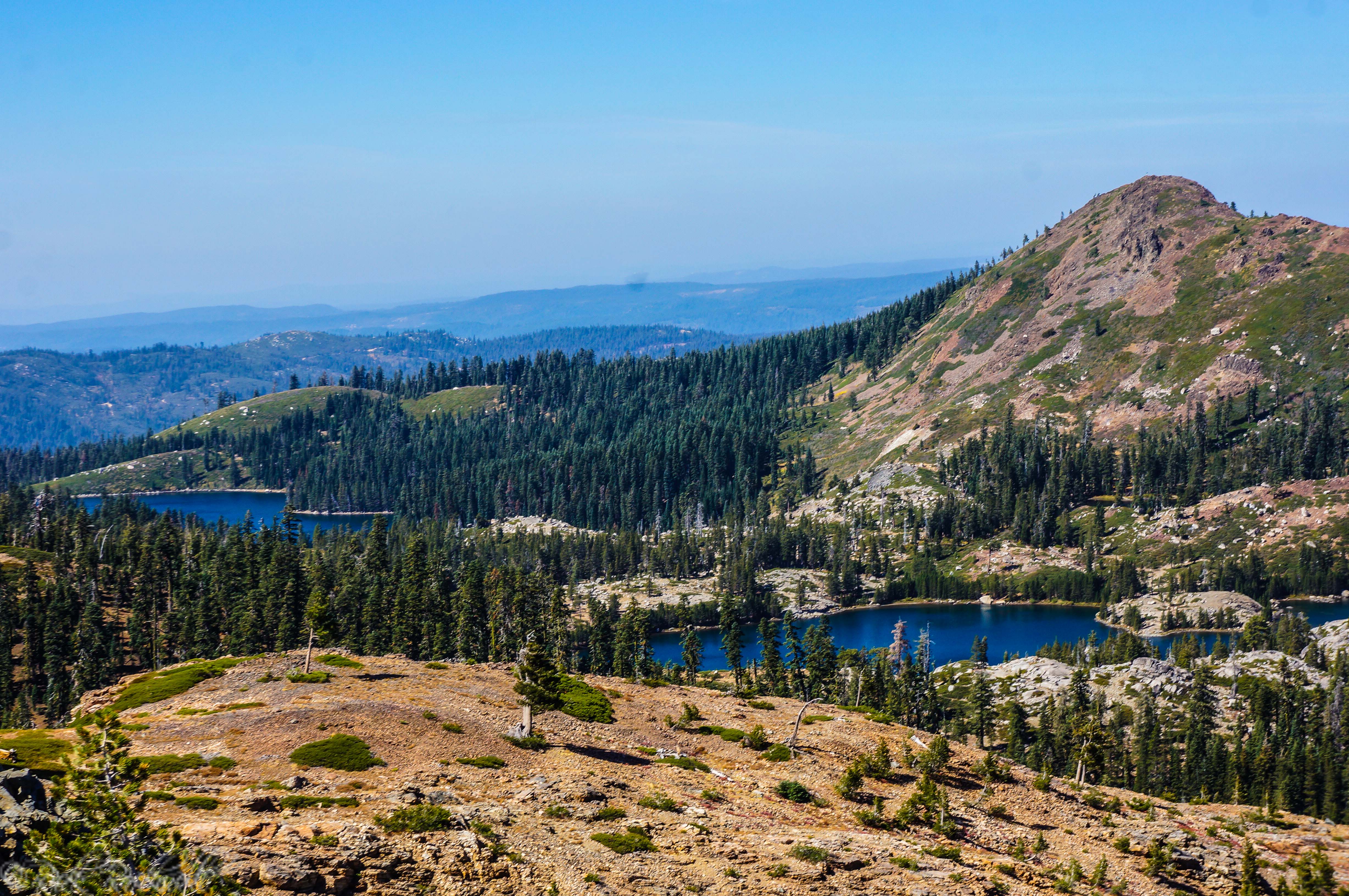
Above the busier stretches of South Lake Tahoe, Angora Lakes feels quieter, steeper, and more intimate than many first-time visitors expect. Reached by a punchy, uphill trail, these alpine lakes sit in a granite basin above Fallen Leaf Lake, where cold clear water, mountain views, and a tucked-away setting create one of the most memorable lake outings on the South Shore.

If you are planning a visit to Angora Lakes California, this is a place that blends accessibility with true Sierra scenery. Sitting at roughly 7,450 feet, it offers a high-elevation escape without a long approach, making it a favorite for travelers looking for hiking, kayaking, swimming, and a beautiful day trip near South Lake Tahoe.

Part of the appeal of the Angora Lakes, is that it still feels a little removed from the popular Tahoe shoreline destinations. You can be in South Lake Tahoe, Fallen Leaf Lake, or Tallac Historic Site within the same outing, but Angora’s compact alpine setting gives it a more secluded character. For visitors who want striking scenery without committing to a major backcountry route, it is one of the best easy-access mountain lakes in the Tahoe Basin.

Angora Lakes Quick Facts

  • Location: South Lake Tahoe area, El Dorado County, above Fallen Leaf Lake in the Lake Tahoe Basin
  • Elevation: Approximately 7,450 feet
  • Activities: hiking, sightseeing, kayaking, paddleboarding, swimming, picnicking, and seasonal resort services
  • Camping Availability: No camping at Angora Lakes itself; nearby options include Fallen Leaf Campground and other South Shore campgrounds
  • Seasonal Access: Generally late spring through fall, depending on snow and road conditions
  • Best For: Travelers seeking a scenic alpine lake near South Lake Tahoe without a long hike

How to Get to Angora Lakes

From the split (highway 89 and 50) head 3 miles on 89 toward Emerald Bay. Just past Camp Richardson, make a left on Fallen Leaf Lake Rd. Drive roughly 2 miles until a fork in the road.

Take the left fork, which is Tahoe Mountain Rd. Drive roughly 0.4 miles until Angora Ridge Rd., which is on your right side. Look for the gate at beginning of the Angora Ridge Rd.

From this point, it’s 1.85 miles to the fire lookout and another mile to the trailhead. This road is very narrow and requires slow, cautious driving.

Road Conditions and Seasonal Closures

Access to Angora Lakes is seasonal. Snow, ice, and storm damage can affect nearby forest roads and parking access in late fall, winter, and early spring. In heavy snow years, the area may not be sdreachable until well into late spring.

Because conditions can change quickly around Tahoe, it is smart to check current road and recreation updates before heading out.

Angora Ridge Road 
Getting to the trailhead is an adventure in itself. The drive along Angora Ridge Rd. is not for the faint of heart. This road is narrow, one lane and goes along a ridge. You must drive slow and use the small turnouts to allow cars to pass by.

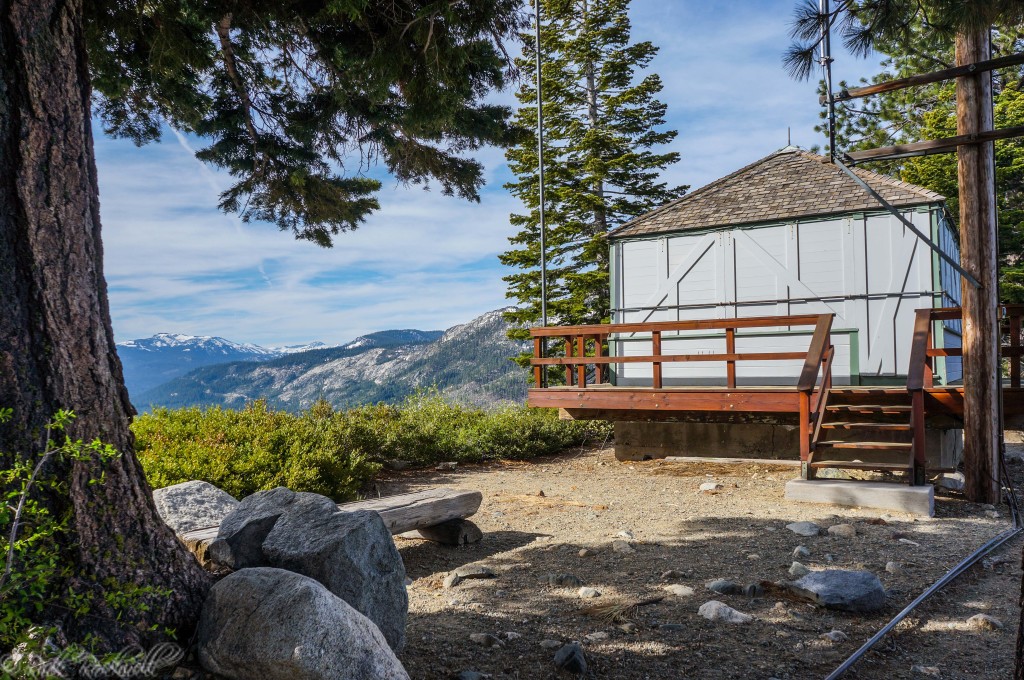
The following is a view of the historic Angora Fire Lookout, which is about 1 mile before reaching the trailhead. Notice the narrowness of Angora Ridge Rd.


Angora Fire Lookout and Angora Ridge Rd.


Angora Fire Lookout and Angora Ridge Rd.

Another thing to monitor, when visiting the lakes, is the forest gate at the beginning of Angora Ridge Rd. It’s typically closed October/November through April/May due to the snow.

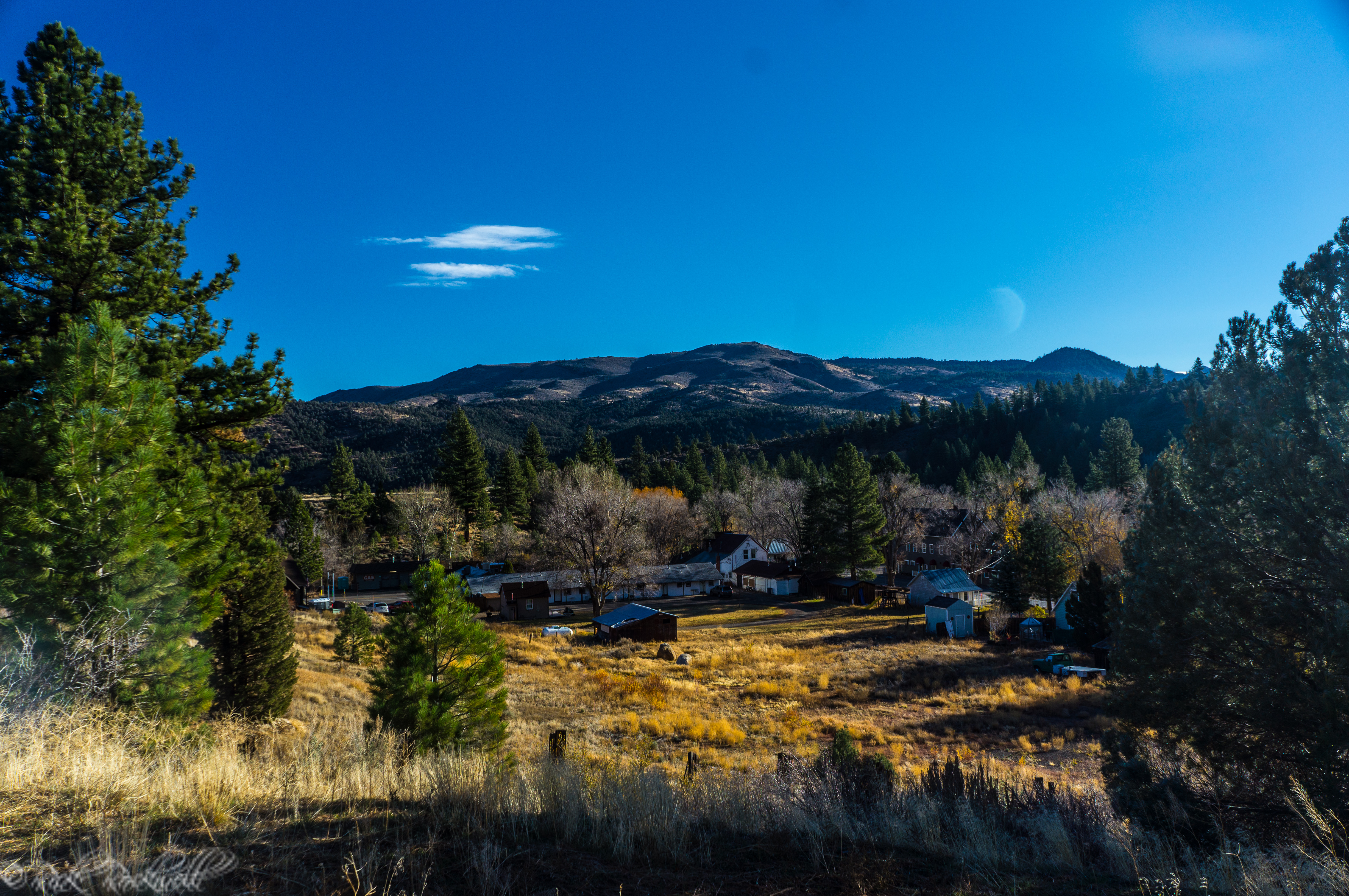
This gate is roughly 2.8 miles from the trailhead (see photo at end of article). So, it will add a considerable distance to your hike if you have to park here and trek up to the lakes. The directions and distances are at the end of the article.

Camping Guide for Angora Lakes

Camping is not available directly at Angora Lakes. That is an important planning point because many visitors assume a small alpine lake near South Lake Tahoe will have lakeside campsites nearby. Angora is better thought of as a day-use destination rather than a place to pitch a tent.

Nearby Campgrounds

The closest and most convenient option for many visitors is Fallen Leaf Campground, which gives you access to the same general recreation zone while keeping you close to Angora Lakes, Mount Tallac, Glen Alpine, and Fallen Leaf Lake. Depending on your itinerary, other South Lake Tahoe campgrounds may also work if you want easier access to town services.

During peak summer, campground demand can be high across the Tahoe Basin. Reservation-based campgrounds often fill well in advance, especially on weekends and holiday periods.

Amenities, Reservations, and Fees

Amenities vary by campground, but many nearby developed campgrounds offer picnic tables, fire rings, restrooms, and access to trailheads or shoreline recreation. Reservation policies depend on the campground, though many popular Tahoe sites now require advance booking rather than relying on first-come, first-served availability.

Fees can change by season and provider, so it is best to check the current listing before booking. As a general rule, travelers should expect standard federal campground pricing in the Tahoe Basin, with additional vehicle or reservation fees possible.

Camping Alternative: Angora Lakes Resort

Angora Lakes Resort is a seasonal summer resort near South Lake Tahoe, typically operating from mid-June through mid-September, with cabins, a snack shop, and small non-motorized boat rentals when open.

In the off-season, services like restrooms, trash service, and regular parking support are limited or unavailable, and the area shifts to a more limited day-use access pattern rather than a full resort experience. The site also has rules such as no camping, no overnighting, and restrictions on campfires in the area.

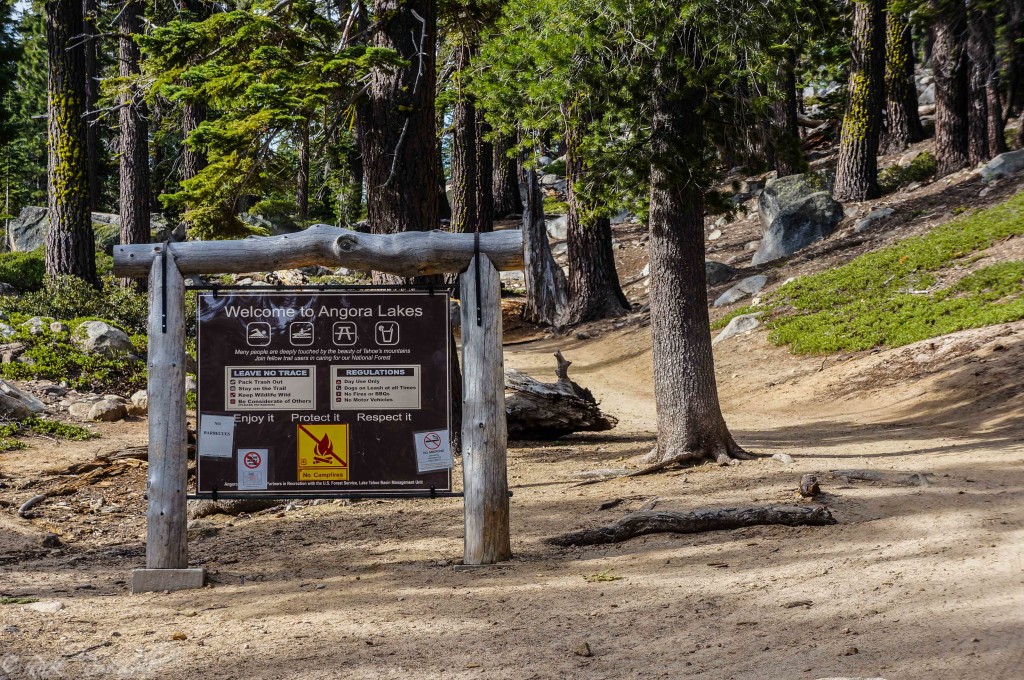
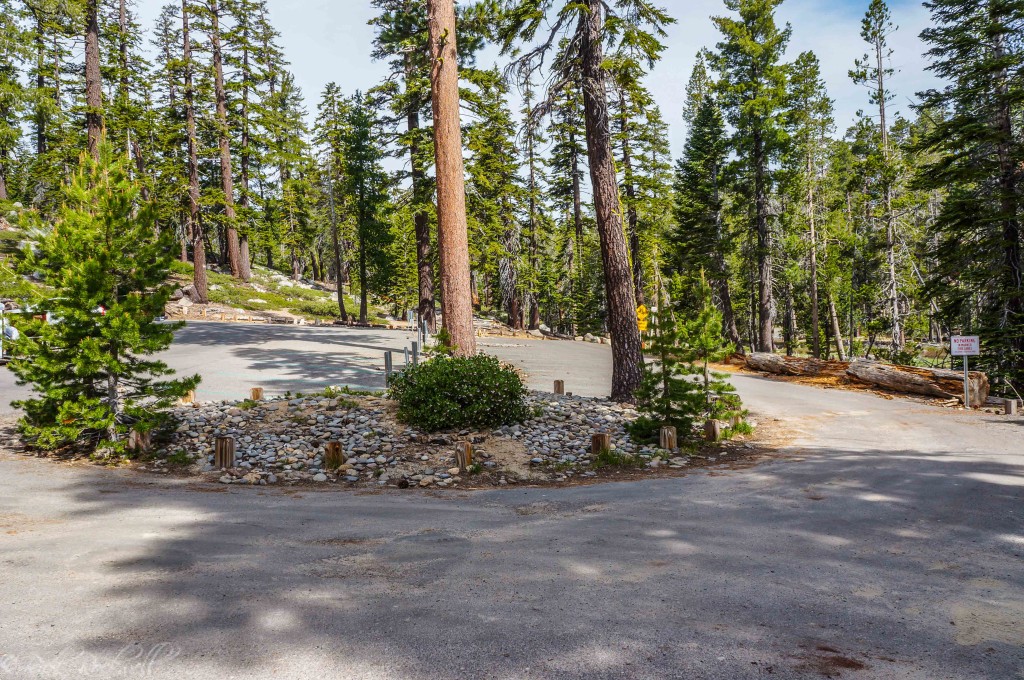
The trailhead for Angora Lakes
Angora Lakes trailhead

Best Hiking Trails Near Angora Lakes

Hiking at the Angora Lakes is similar to the trails (Glen Alpine and Mt. Tallac) that are accessible from the trailheads near Fallen Leaf Lake. However, there are two additional trails that are enjoyable for most hikers.

Angora Lakes Trail

This is the short, steep walk most visitors take to reach the lakes. It is not a long hike, but the rocky terrain and moderate climb make it feel more substantial than the mileage suggests.

Difficulty: Easy to moderate.

Best for Visitors: who want fast access to scenery, swimming, and a classic alpine-lake setting without a major backcountry effort.

Lily Lake Trail

The newest trail of this region is the Lily Lake Trail which takes you from Angora Lakes parking area down to Lily Lake at the Glen Alpine Trailhead. It’s a 2.1-mile hike one way and presents an 800-foot elevation gain along with some traversing of rocks.

Difficulty: Moderate to hard

Best for Visitors: looking for a shorter, but more challenging hike than the Angora Lakes Trail.

Mt. Tallac Trails

 The Mt. Tallac Trailhead is home to some wonderful hikes in this region. You can take the easier destinations to Floating Island (1.7 miles) or go further to Cathedral Lake which is 2.5 miles one way. For those wanting a more strenuous hike, the path up to Mt. Tallac is a 9.7-mile round trip adventure.

Difficulty: Easy (Floating Island) to Hard (Mt. Tallac)

Best for Visitors: looking for hikes into Desolation Wilderness with lakes and a mountain.

Glen Alpine Trails

Glen Alpine Trailhead provides numerous destinations along the same trail from Lily Lake (near trailhead) all the way up the backside of Mt. Tallac (5.7 miles). It really depends how far you want to go. Along the way, you will come across Glen Alpine FallsModjeska Falls, the historic Glen Alpine Resort, and numerous lakes from Grass Lake to Gilmore Lake, Lake Aloha and Susie Lake.

Difficulty: Easy (Lily Lake) to Hard (Mt. Tallac)

Best for Visitors: looking for historic points of interest, numerous lakes, and a Desolation Wilderness adventure.

Lower Angora Lake

The Lower Angora Lake is about .3 miles from the trailhead and is easy to see from the trail. In fact, there’s no getting lost on this trail as you just follow the old, dirt road until it ends at Upper Angora Lake. The trail is a steady incline all the way up. It will level out once you reach Lower Angora Lake, before a gradual incline to the upper lake.

start of the trail

start of the trail

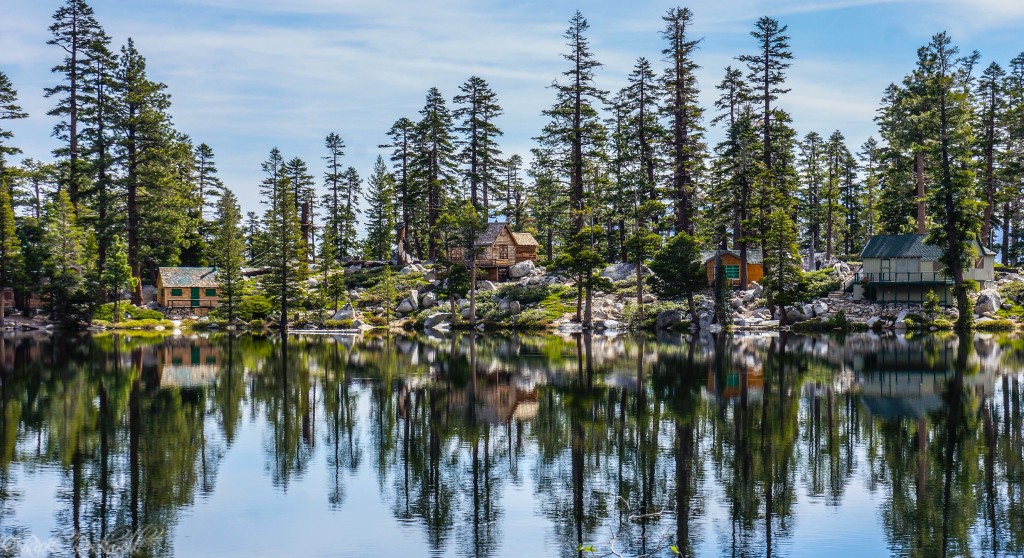
Lower Angora Lake is the larger of the two lakes and even has a smaller section that makes it feel like a third lake. There are several cabins that dot the lower lake, as they add to the overall beauty of this landscape.

lower angora lake with cabins (1 of 1)

cabins along Lower Angora Lake

There are opportunities to fish, have a picnic, swim and enjoy a nice summer day at the lake. However, most of the “recreational” activities are typically done at the upper lake. Depending on the season and time of day, make sure to bring bug spray because the mosquitoes can be an annoyance.

Upper Angora Lake

After spending time at the lower lake, just hop back on the trail and head another .2 miles to Upper Angora Lake. As mentioned, this portion of the trail is a steady incline. However, adults and children shouldn’t have a problem with the small change in elevation.

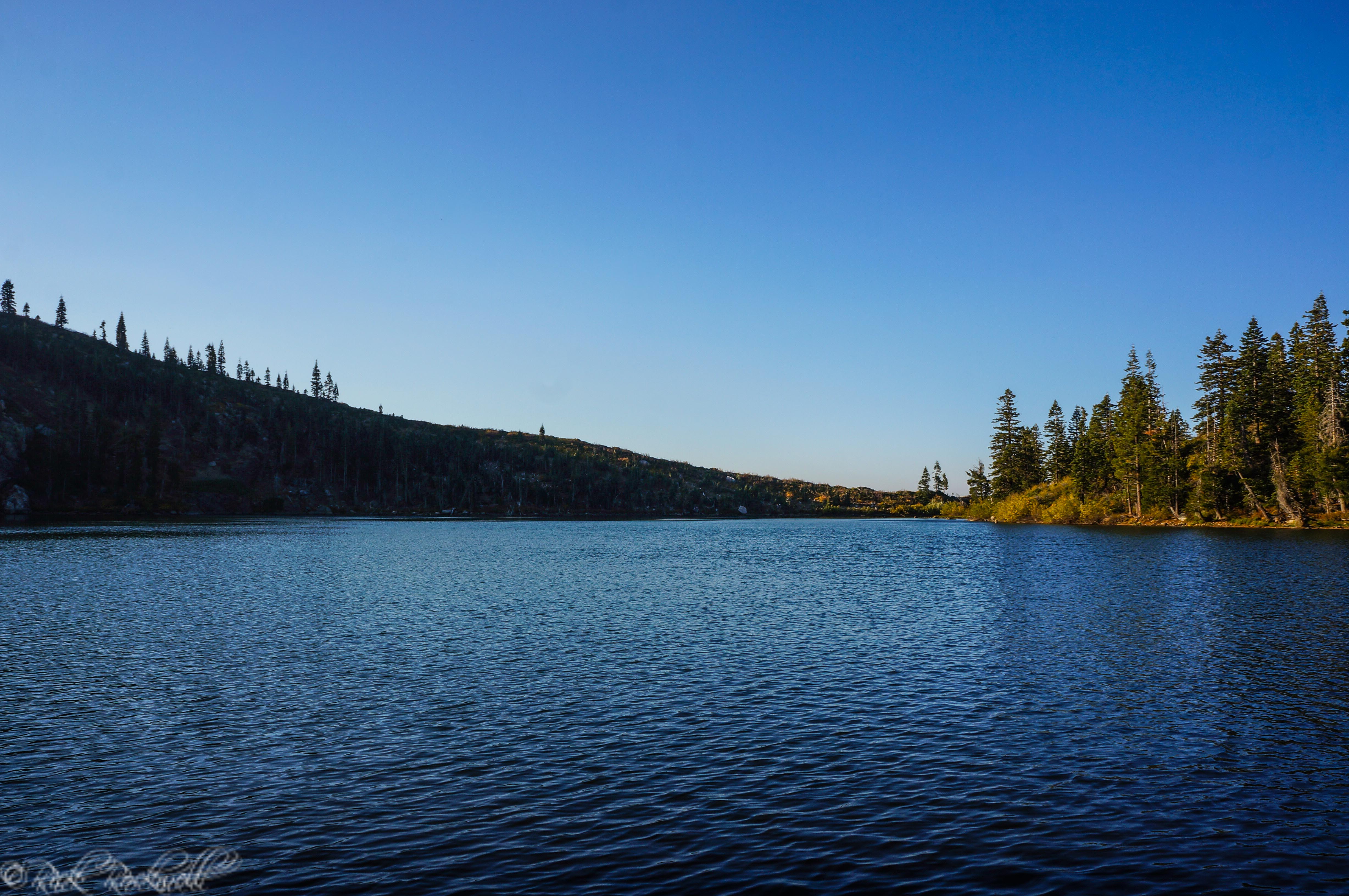
Upper Angora Lake

Upper Angora Lake


Kayaking and Water Activities at Angora Lakes

Angora Lakes is well suited for non-motorized recreation. Kayaking, stand-up paddleboarding, rowboating, and swimming are the main warm-season activities. And, that quieter style of recreation is part of what makes the setting feel more peaceful than many larger Tahoe beaches and marinas.

Because the lakes are relatively compact, this is not a place for long-distance paddling. Instead, it is best for relaxed exploration, floating near shore, and enjoying the mountain scenery from the water. For the more venturous souls, there are points along the cliff wall that you can jump off into the water. However, that’s only for advanced swimmers and cliff jumpers.

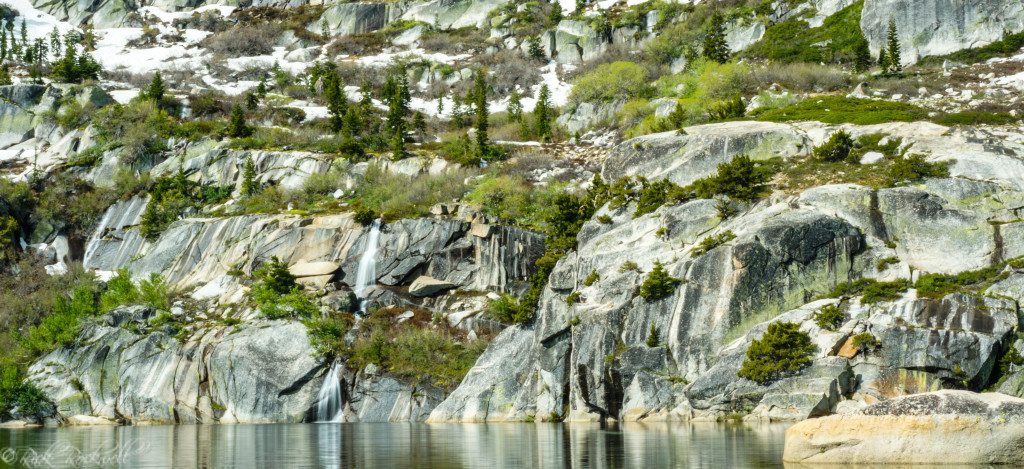
Additionally, during the late-Spring and early-Summer, there are waterfalls running down the mountainside into the lake.

A waterfall at Upper Angora Lake

Upper Angora Lake waterfall

Best Time to Visit Angora Lakes

Like most places in the Lake Tahoe Basin, visiting Angora Lakes is heavily dependent on the season:

Spring: Late spring can be beautiful, but it is also unpredictable. Snowmelt, lingering icy patches, and delayed road openings can make access uncertain. This is the season when checking conditions in advance matters most.

Summer: The ideal season for visiting Angora Lakes. This is when the trail is usually accessible, paddling is most popular, and the South Lake Tahoe area is fully active. Expect the warmest weather and the busiest conditions.

Fall: Early fall is one of the most appealing times to go if you want fewer crowds and cooler hiking temperatures. The scenery remains strong, but access can narrow quickly as storms and seasonal closures begin to affect the Tahoe Basin.

Winter: Winter is not the time of year for the average hiker or traveler to visit the Angora Lakes. Snow closures, icy conditions, and limited access make it a poor fit for most casual travelers.

Tips for Visiting Angora Lakes

Arrive early in the summer if you can. Parking can fill up quickly, and the experience is much better before midday crowds swarm the scenery. Weather can shift quickly at elevation, and high-country sunshine feels stronger than many visitors expect.

Angora Lakes Trail Tips

In total, the trail is .5 miles from the trailhead to Upper Angora Lake.

  • Bring sunscreen
  • Get there early on the weekends
  • Bring bug spray
  • Bring water
  • Wear a good pair of hiking shoes or sturdy sneakers
  • Bring a camera
  • Bring clothes to swim in
  • Keep an eye out for any vehicles heading to the Resort

Safety and Conditions

Respect seasonal closures, wildfire restrictions, and posted trail conditions. Tahoe Basin access can change quickly because of snow, storms, maintenance, or fire-related impacts.

Leave no trace while visiting. Pack out everything you bring in, stay on established routes, and help protect a place that remains appealing largely because it still feels relatively undeveloped.

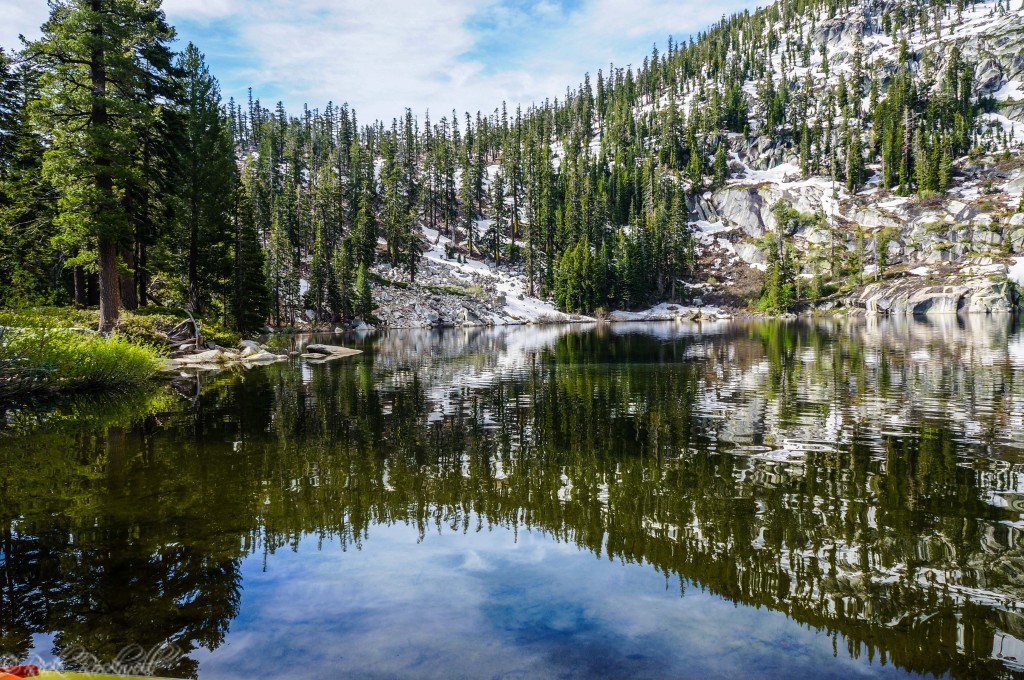
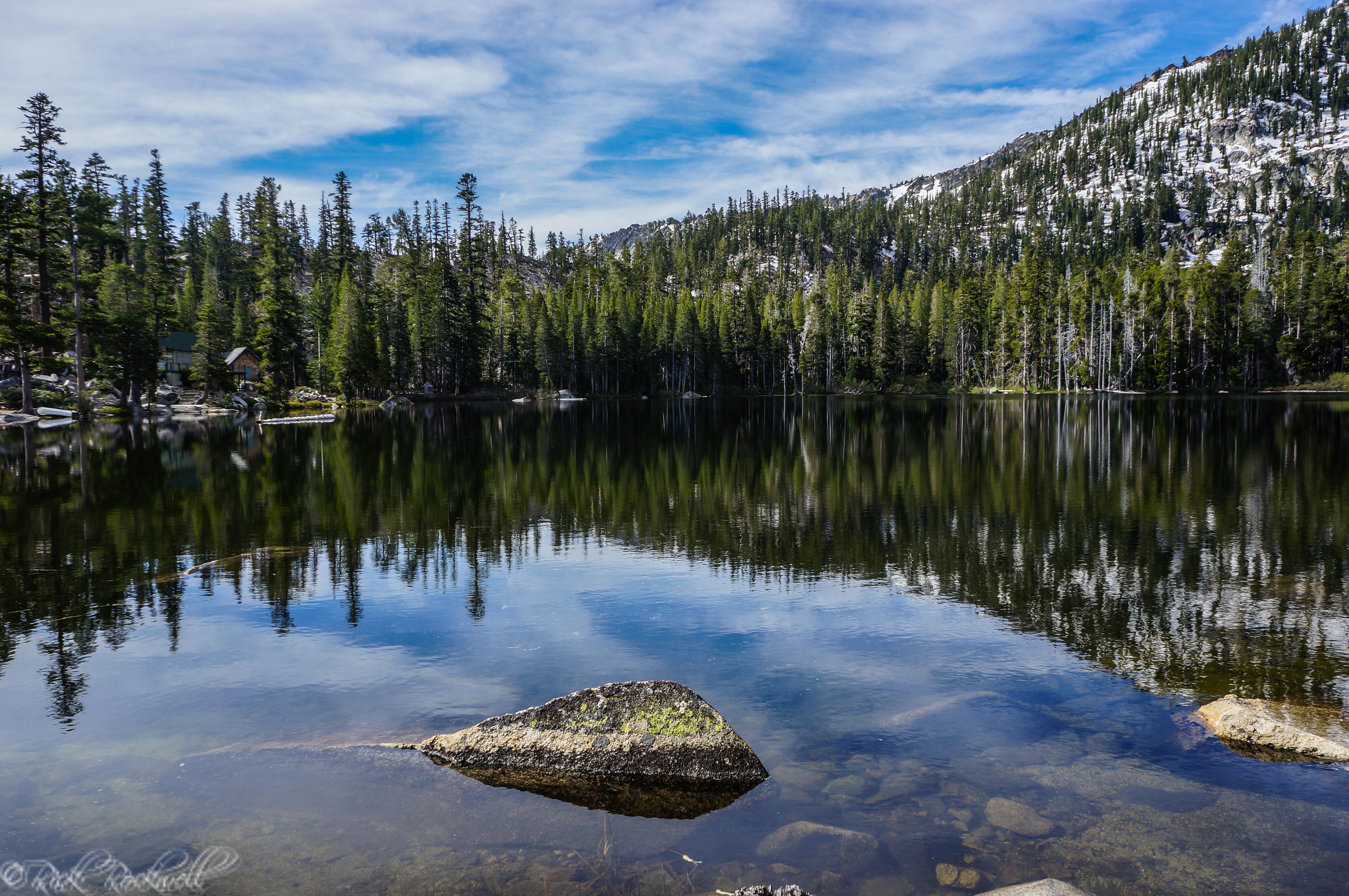
A reflection on lower Angora Lake
Lower Angora Lake reflection

Things to Do Near Angora Lakes

One of the best things about visiting Angora Lakes is how easy it is to pair the trip with other scenic and historic spots around the south shore of Lake Tahoe. From fire lookouts and historic estates to bike paths, waterfalls, and quiet roadside stops, the area around Angora Lakes offers plenty to explore before or after your hike.

Angora Fire Lookout

Angora Fire Lookout is one of the best nearby additions if you want bigger views after visiting the lakes. Perched high above the basin, it offers a wider perspective of the surrounding forest, mountains, and South Lake Tahoe area, making it a natural stop for travelers who want to see the landscape from above.

Tallac Historic Site

Tallac Historic Site adds a strong historical element to an Angora Lakes outing. Located near the south shore, this preserved estate complex helps tell the story of Lake Tahoe’s early resort era and makes a great stop for anyone interested in architecture, local history, and lakeside scenery.

Taylor Creek Visitor Center

Taylor Creek Visitor Center is a good nearby stop for travelers who want something more educational and family-friendly. The area is known for its interpretive exhibits, easy walking paths, and seasonal wildlife viewing, making it a nice complement to the more active and scenic experience at Angora Lakes.

Pope-Baldwin Bike Path

The Pope-Baldwin Bike Path is a great option if you want to add an easy ride to your day. This paved path links several popular South Lake Tahoe recreation areas and gives visitors a relaxed way to experience the forested shoreline without committing to another hike.

St. Francis of the Mountains

St. Francis of the Mountains is a small but memorable stop near Fallen Leaf Lake. Its quiet setting and rustic character make it worth a brief detour, especially for visitors who enjoy lesser-known historic places with a peaceful mountain atmosphere.

Glen Alpine Waterfalls

Glen Alpine Waterfalls is one of the prettiest nearby spots if you want more alpine scenery after Angora Lakes. The area offers rushing water, granite surroundings, and access to one of the most scenic trail corridors on the South Shore, making it especially appealing in late spring and early summer.

Glen Alpine Springs

Glen Alpine Springs adds another layer of local history to the area. Once part of Tahoe’s early tourism story, it still carries a sense of the region’s past and fits well into a day spent exploring the scenic and historic landmarks near Fallen Leaf Lake.

Fallen Leaf Lake

Since Angora Lakes sits just above Fallen Leaf Lake, it makes sense to spend time there as well. Fallen Leaf offers a quieter alternative to the busier Tahoe shoreline, with beautiful mountain views, a more relaxed setting, and easy access to nearby recreation.

How Did the Angora Lakes Get Their Name?

Angora Lakes, ridge, trail and peak are all named after the popular breed of goat called the Angora goat, which was originally from the Angora region of Turkey.

According to the 1904 edition of Wool Markets and Sheep – Volumes 14-15, the Angora goat didn’t show up in California until 1801 when a man by the name of William M. Landrum brought them over. Landrum had 40 years of experience breeding these goats and successfully introduced them to the state.

Fast forward to the 1870’s, and California was becoming a powerhouse in the Angora goat industry. These goats not only helped to maintain meadows with their grazing, but their hair was highly sought after in America and Europe.

Angora goat hair (mohair) was fetching $1 a pound during this era and it was used for many things like: plushes in railroad cars and automobiles, furniture, and clothing.

Around the mid 19th century, an association had been set up for Angora goat breeders called the Angora Goat Breeder’s Association. California was part of the Pacific Coast chapter and the Secretary of this group was none other than Nathan Gilmore, one of Tahoe’s pioneers.

Who was Nathan Gilmore?

Nathan Gilmore


Nathan Gilmore

By the early 1860’s, Gilmore had discovered soda springs in the southern portion of the Tahoe Basin near Mt. Tallac and Fallen Leaf Lake, now known as the Glen Alpine region.

As he worked on expanding his soda springs venture, Gilmore often brought his herd of Angora goats up to the Fallen Leaf Lake area for grazing. In the early 1880’s, Gilmore firmly established his Glen Alpine Springs Resort and also carved wagon roads for visitors to access Tahoe’s first ever mountain resort.

Nathan Gilmore was one of Tahoe’s true pioneers, a founding father of this region, and helped usher this beautiful area into the 20th century. In the southern portion of the Tahoe Basin, you will find many peaks and lakes named after Gilmore, his family and his ventures.
Is It Worth Visiting Angora Lakes?

In short, the answer is – YES. Even with Fallen Leaf Lake and Lake Tahoe nearby, Angora Lakes offers a different experience than those two. For those of you who love to hike in the mountains to a rewarding alpine lake, Angora Lakes is the perfect option.

Whenever I visit the South Lake Tahoe region, I always spend time at the Angora Lakes. The journey starts at the fire lookout  and includes hiking the trails and enjoying some fun on the shores of these two wonderful lakes.

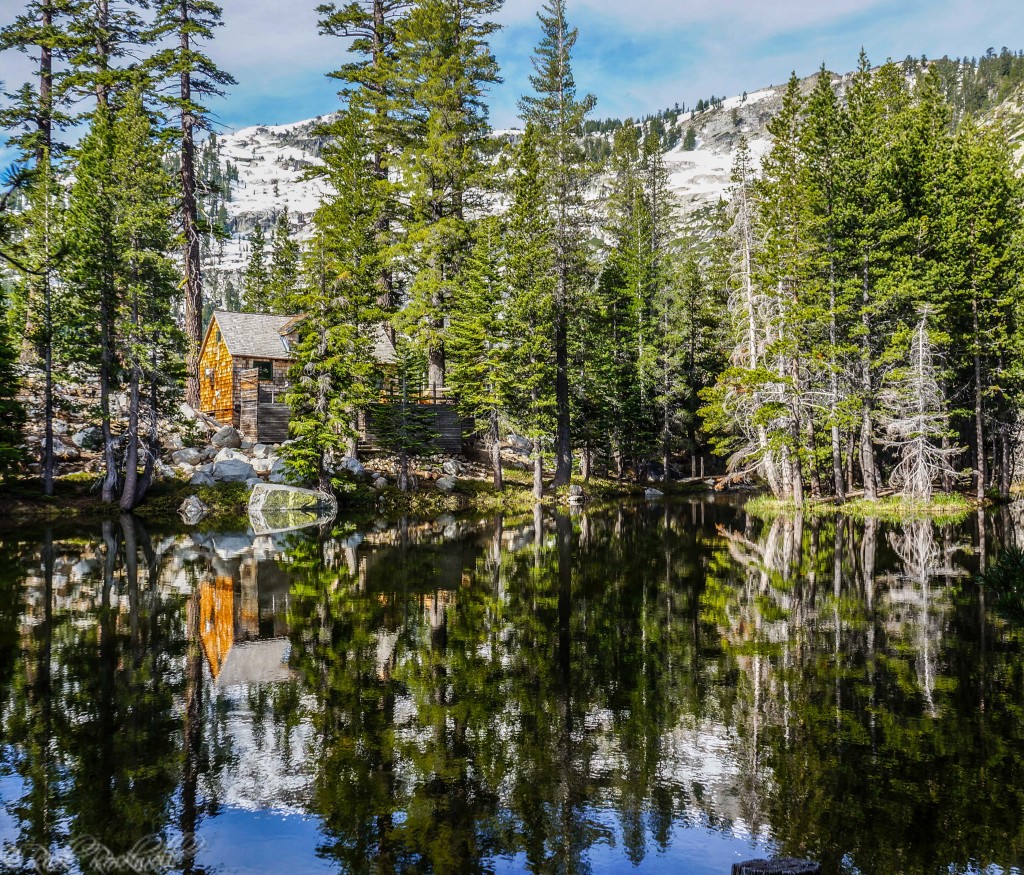
View of a cabin along Lower Angora Lake
Lower Angora Lake cabin

FAQ About Angora Lakes

Can you camp at Angora Lakes?

No. Angora Lakes itself is a day-use destination. Nearby campgrounds such as Fallen Leaf Campground are better options for overnight stays.

How hard is the hike to Angora Lakes?

The hike is short but uphill, with rocky and uneven footing. Most visitors will find it manageable, though the elevation can make it feel a little tougher than the distance suggests.

Can you kayak at Angora Lakes?

Yes, Angora Lakes is known for non-motorized water activities such as kayaking, paddleboarding, and rowing during the warmer season.

When is the best time to visit Angora Lakes?

Summer is the most reliable season for road access, dryer trails, and water activities, while early fall is often the best balance of good conditions and lighter crowds.

Sources

U.S. Forest Service, Lake Tahoe Basin Management Unit – Angora Lakes Resort

https://www.fs.usda.gov/r05/laketahoebasin/recreation/angora-lakes-resort

U.S. Forest Service, Lake Tahoe Basin Management Unit – Angora Ridge road and recreation information

https://www.fs.usda.gov/r05/laketahoebasin/recreation/angora-ridge

U.S. Forest Service winter road and facility closure notices for the Lake Tahoe Basin

https://www.fs.usda.gov/r05/laketahoebasin/alerts/national-forest-roads-and-facilities-closed-winter

Recreation.gov – Fallen Leaf Campground

https://www.recreation.gov/camping/campgrounds/232769

U.S. Forest Service, Eldorado National Forest – Desolation Wilderness trails and trailheads

https://www.fs.usda.gov/r05/eldorado/wilderness/desolation-wilderness-trails-trailheads

Angora Lakes Resort official website

Home

[mc4wp_form id="4451"]
Close
error: Content is protected !!