Located along the North Fork American River, just upstream from the confluence in the Auburn State Recreation Area, Clark’s Hole is one of those spots that’s easy to overlook but unforgettable once you experience it.

Also known as Clark’s Pool, this swimming hole has been part of Auburn’s outdoor life for more than a century. It’s been reported that the City of Auburn used Clark’s Hole as a municipal swimming pool in the early 1900s, complete with concession stands and lifeguards.

Today, Clark’s Hole is no longer a city-supervised swimming location. There are no lifeguards or concessions dotting the riverbank. Instead, the swimming spot has reverted back to its rugged charm. However, locals still use it as a popular swimming hole during those hot summer days.

Quick Facts About Clark’s Hole

  • Location: Auburn State Recreation Area, near Auburn, California
  • River: North Fork American River
  • Also Called: Clark’s Pool, Clarks Hole, Clarks Pool
  • Trail Distance: About 0.6 miles one way via Clarks Hole Trail
  • Hiking Time: About 20-30 minutes one way
  • Difficulty: Easy to moderate, with steep sections near the river
  • Trailhead: Near green gate #137 on Old Foresthill Road
  • Parking Fee: $10 day-use fee
  • Best For: Swimming, hiking, picnicking, river scenery, photography
  • Lifeguards: No

Where Is Clark’s Pool?

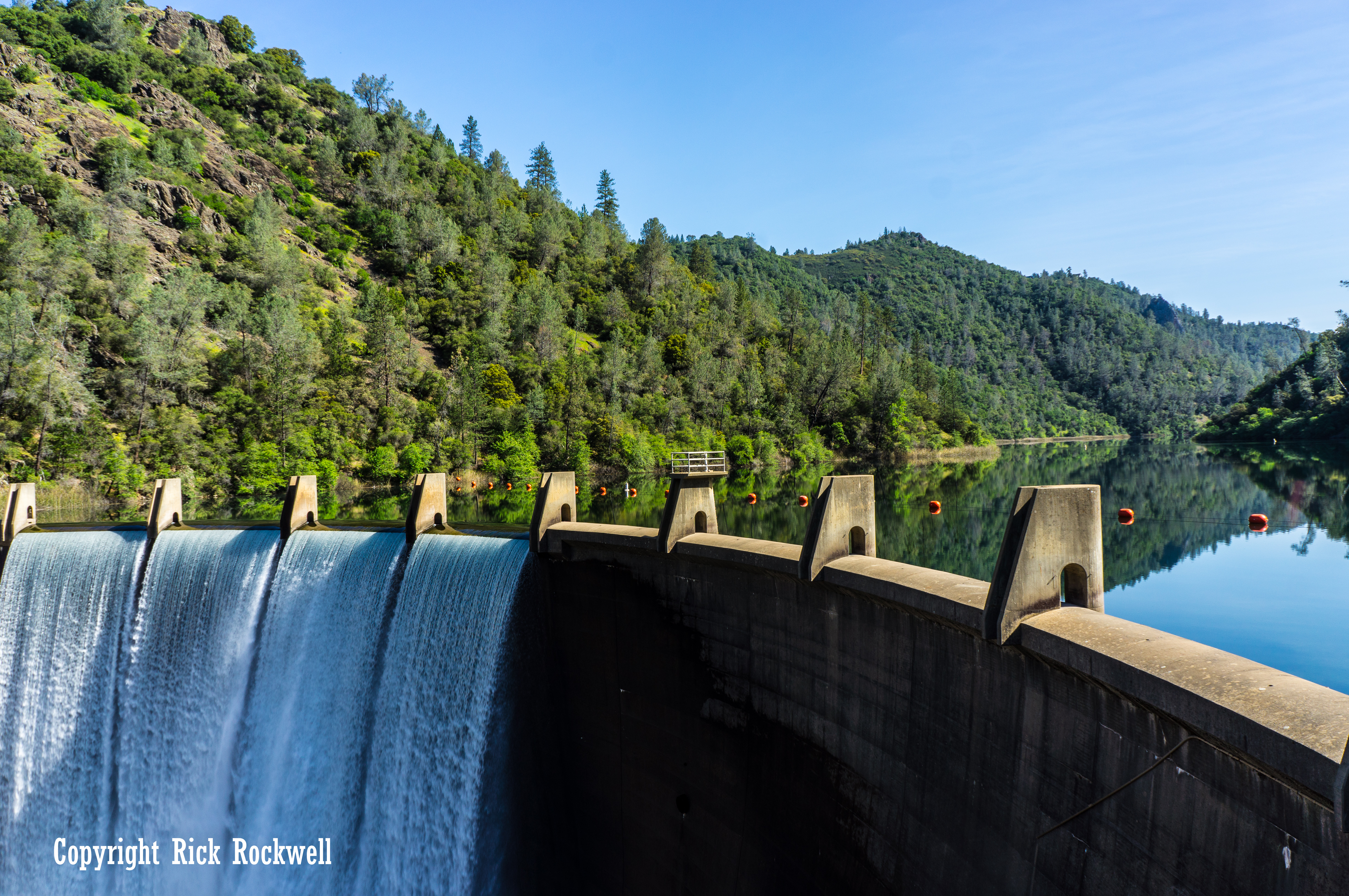
Clark’s Pool is located in the Auburn State Recreation Area along the North Fork American River. It sits roughly two miles below the North Fork Damn and Lake Clementine. Clark’s Pool can be accessed by the Lake Clementine Trail and the Clark’s Hole Trail.

Take Highway 49 from Auburn south for almost 5 miles. When 49 splits, stay to the left (straight) and continue on Old Foresthill Road. After you cross the Old Foresthill Bridge, park on the right side in a parking area. This area does cost $10 and has bathrooms. You can access the Lake Clementine Trail from Gate 139 across the street.

The Hike To Clark’s Hole

The hike to Clark’s Hole is short, but it has enough terrain to feel like more than a flat stroll. According to the official Canyon Keepers guide, the route has a distance of 0.6 miles one way, takes about 20-30 minutes of hiking, is rated easy to moderate, and has an average grade of 9 percent to a maximum of 23 percent.

This punchy trail gradually descends through the trees toward the American River. By time you get to the swimming spot, the journey feels like a short, scenic hike with a rewarding dip in the water. 

On the other side of the river is the Lake Clementine Trail. You can also access Clark’s Pool via this trail as it’s roughly the same distance and duration. However, it’s a little less rugged with lower gradients along the way. Additionally, you will pass underneath the “new” Foresthill Bridge.

Swimming At Clark’s Hole

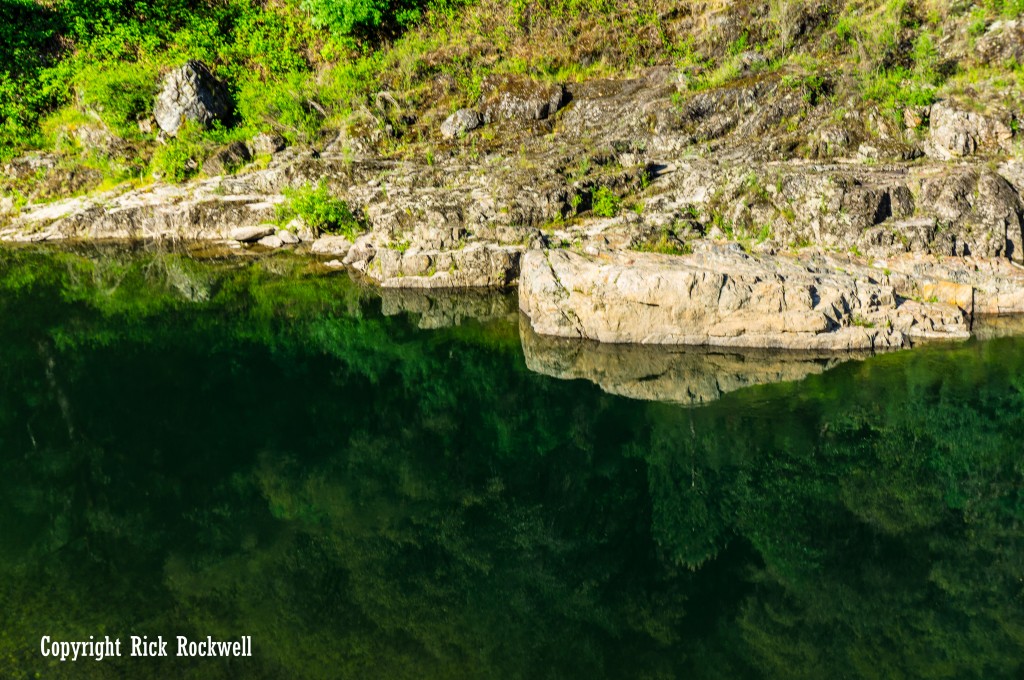
Clarks Hole is a popular swimming spot because the river widens and slows into a deep pool. It can also feel surprisingly warm in the summer. With that said, this is still a river swimming hole and not a controlled pool. There are no lifeguards and the water conditions can change daily due to snowmelt, weather, and dam releases.

It’s extremely important to always monitor river currents and conditions during any trip to Clark’s Pool. California State Parks recommends using life jackets while swimming in the American River. And, to always keep an eye on children.
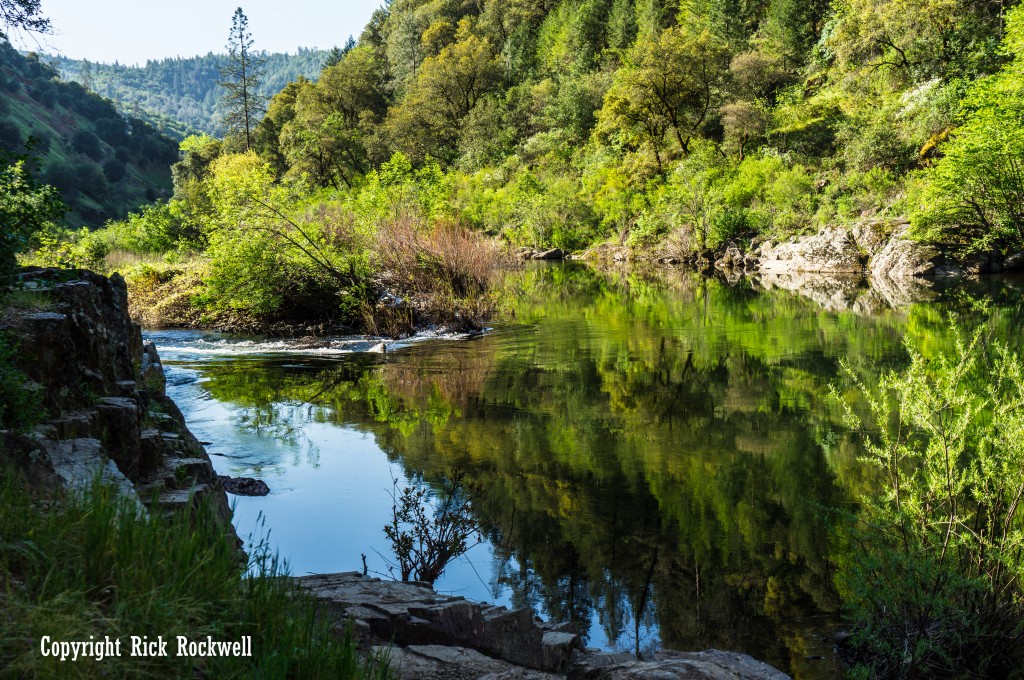
Looking down river from Clark's Hole

Near Clark’s Hole

Tips For Visiting Clark’s Pool

Go early if you are visiting on a summer weekend. Parking near the confluence and Old Foresthill Road can fill, and the trail is more pleasant before the canyon heats up.

While the summer is ideal for swimming, the spring is a wonderful time to visit this region due to the blooming landscape. However, the water is too cold and powerful to swim in. Fall is also quiet and charming to visit, but temperatures are declining during this season. Winter is great for experienced hikers to trek through the canyon, but it’s not a time to go swimming.

Is Clark’s Hole Safe?

Clarks Hole can be enjoyable under the right conditions, but “safe” depends heavily on the day, the swimmer, and the river. Make sure to read through the following tips before heading out to Clark’s Hole:

  • There are no lifeguards at the swimming hole.
  • Do not jump off the rocks unless you can personally verify depth and hazards every time.
  • Avoid the river during high levels, cold temperatures, or fast flows.
  • Wear a life jacket if you are not a strong open-water swimmer.
  • Keep children under supervision at all times and within arm’s reach near the water.
  • Watch for poison oak, rattlesnakes, ticks, and steep trail edges.
  • Bring drinking water because there is no potable water in the ASRA.

The History of Clark’s Hole

According to the Canyon Keepers trail guide, Clarks Hole, or Clarks Pool, was managed by the City of Auburn in the early 1900s as a municipal swimming pool with concession stands and lifeguards. That is a remarkable image today: a wild-looking pool in the North Fork American River once functioning as a community swimming destination with more formal amenities than it has now.

The swimming spot is located in the heart of Auburn State Recreation Area sits, which is one of the most enjoyable outdoor recreation areas in Gold Country. The ASRA is not only great for swimming, but it’s also filled with outdoor activities like hiking, rafting, boating, fishing, biking, horseback riding, and gold panning.

Another interesting note about Clark’s Pool is that Clark Hole’s Trail once followed an old stagecoach route from the late 1800s.

The Unsolved Origin of the Name Clarks Hole

One of the most interesting details about Clark’s Hole is that nobody seems to have pinned down exactly who “Clark” was. Modern trail sources preserve both names, Clarks Hole and Clarks Pool, along with preserving the wonderful early-1900s story that Auburn once managed the river pool as a municipal swimming spot with concession stands and lifeguards.

What they do not explain is the namesake.

The best clue may be the canyon’s mining landscape. One possible lead is Anthony Clark, whose name appears in Foresthill Divide mining history and on the Anthony Clark tunnel near Georgia Hill and Yankee Jim’s.

That does not prove he was the Clark behind Clark’s Hole, but it places a documented Clark in the broader North Fork American River mining world where local place names often grew out of claims, camps, roads, and family associations.

A few other Clarks appear in Placer County’s historical record and may be worth noting as loose possibilities, including Richard Clark, a miner connected to the Foresthill area; Alfred E. Clark, a former Placer County district attorney; and Owen Clark, a longtime farmer in western Placer County.

None can currently be tied directly to Clark’s Hole, but their presence shows that the Clark name had roots in the broader county history.

As of now, we’re just speculating over potential candidates until someone can shake loose another clue.


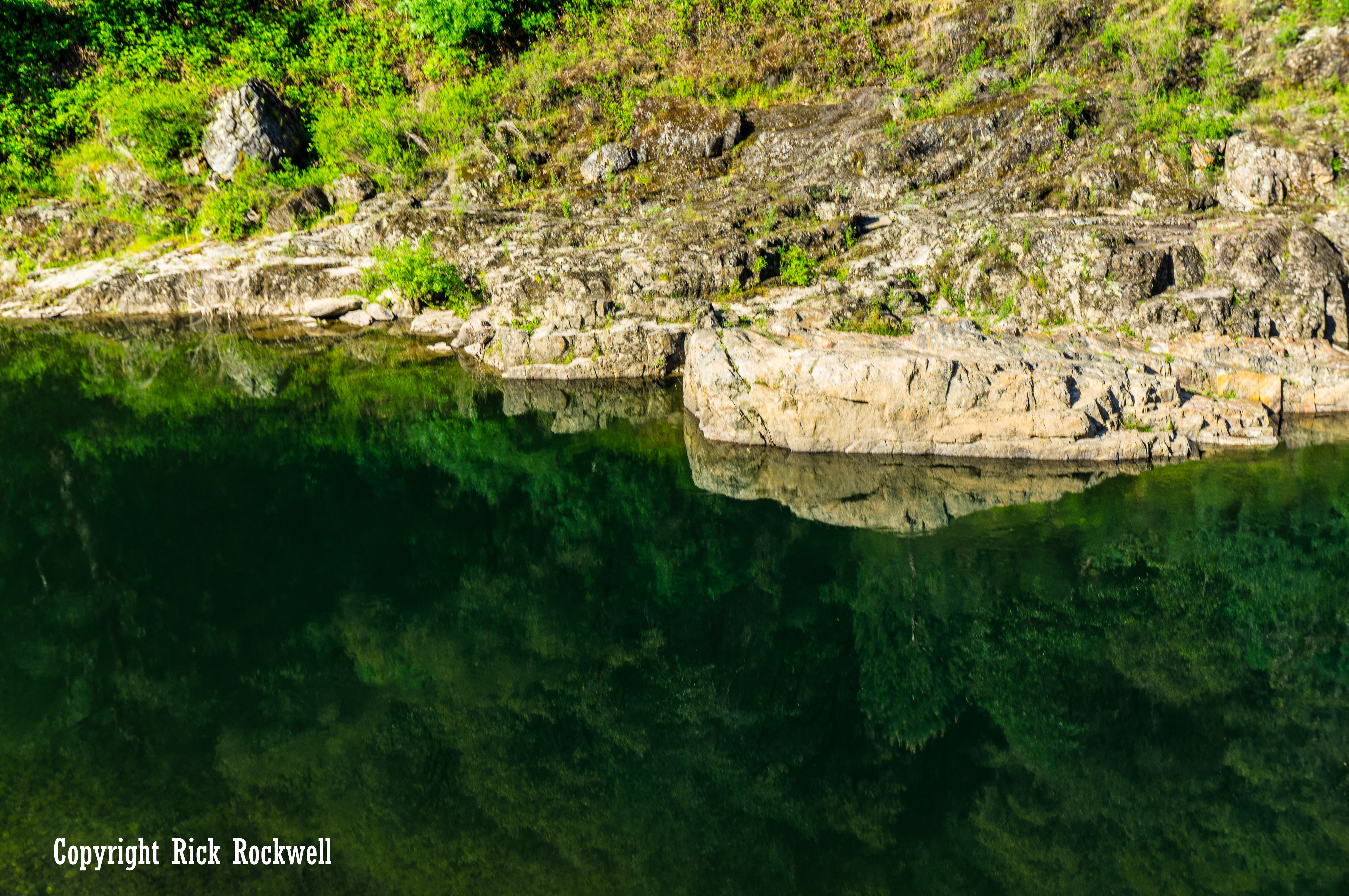
River view at Clarks Hole
Along the River at Clark's Hole

Nearby Things To Do After Swimming At Clark’s Hole

The following points of interest would make for a great addition to any Clark’s Pool trip:

Lake Clementine Trail

Lake Clementine Trail is one of the most popular nearby hikes and follows the North Fork American River toward the Lake Clementine dam area. It pairs naturally with Clarks Hole because both sit in the same canyon corridor.

Foresthill Bridge

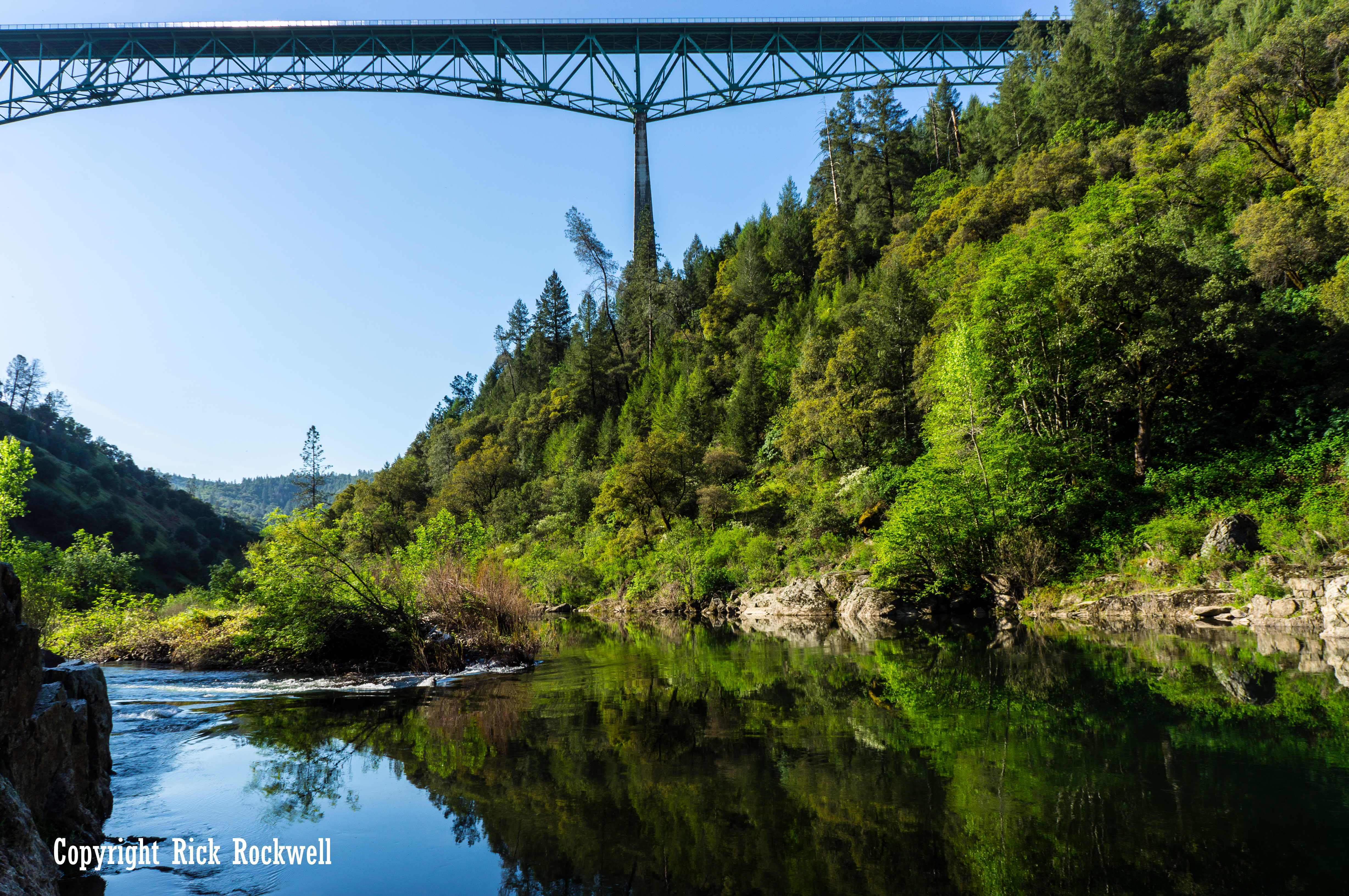
The Foresthill Bridge is one of Auburn’s signature landmarks and one of the tallest bridges in the country. It is visible from parts of the canyon and adds dramatic scale to the whole Clark’s Hole area.

American River Confluence

The confluence area is one of Auburn SRA’s main access points and a natural hub for river scenery, short hikes, photography, and exploring the meeting point of the North and Middle Forks.

No Hands Bridge

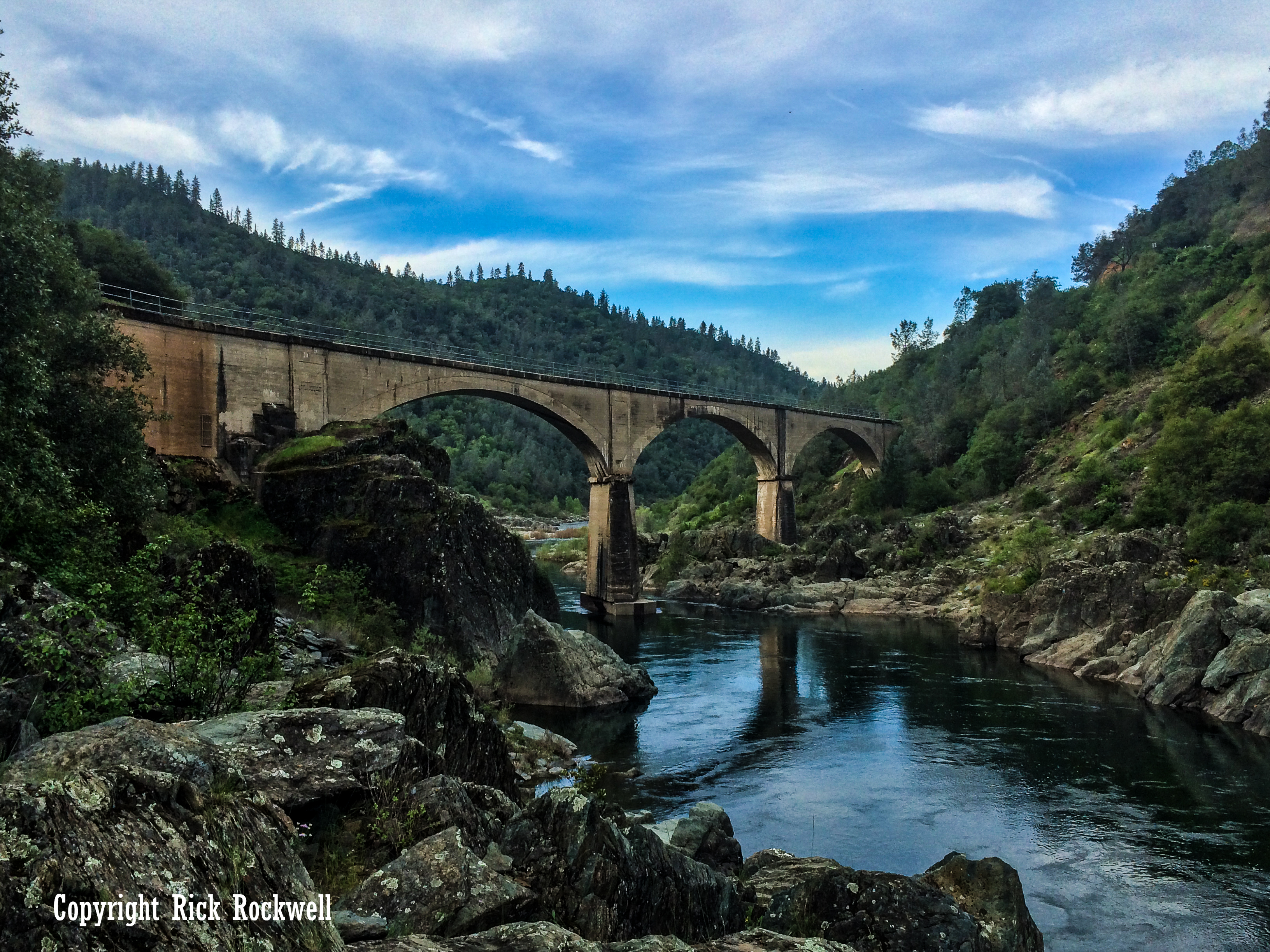
The Mountain Quarries Railroad Bridge, better known as No Hands Bridge, is another nearby landmark in Auburn SRA. The bridge was completed in 1912, and was once considered the longest concrete arch railroad bridge in the world. It was later added to the National Register of Historic Places.

Is Clark’s Pool Worth Visiting?

Clarks Hole is not the biggest swimming hole on the American River, and it is not the most remote. But it’s one of the most enjoyable and interesting swimming spots in this region.

It has the summer appeal of a deep river pool, the easy-access of a short trail, the atmosphere of the American River canyon, and a surprisingly rich backstory as Auburn’s old municipal swimming spot.

Add in the nearby points of interest, seasonal landscapes, and the magnificence of Auburn State Recreation Area, Clark’s Hole becomes more than just a quick place to cool off during the scorching summer – it becomes a legitimate Placer County outdoor gem.

Clark’s Pool is located along one of my favorite “local” trails – the Lake Clementine Trail. It also proves a great swimming spot during the summer, especially after a day of hiking in the region.

I enjoy cooling off near Yankee Jim’s Bridge and Ponderosa Way Bridge near Codfish Falls Trail, but nothing beats Clark’s Hole and the enjoyment of such a wonderful outdoor swimming spot. It’s one of my go-to river destinations each summer and a swimming hole that’s hard to beat anywhere in California.

FAQ About Clark’s Hole

Is Clark’s Hole the same as Clark’s Pool?

Yes, the spot is commonly referred to as both Clark’s Hole and Clark’s Pool. Regional sources use both names.

How long is the hike to Clark’s Hole?

It’s 0.6 miles one way via the Clark’s Hole Trail, with an estimated hiking time of about 20 minutes. You can also access Clark’s Hole via the Lake Clementine Trail at roughly the same duration.

Is Clark’s Hole good for kids?

It can be a fun family destination, but it requires close supervision. The trail has steep drop-offs, there are no lifeguards, and open-water swimming in the American River carries risks.

Can you swim at Clark’s Hole?

Yes, Clark’s Hole is a known swimming hole on the North Fork American River, but swimming depends on current river conditions.

Is there a parking fee?

The Auburn State Recreation Area charges a vehicle day-use fee of $10. However, fees may change during peak times.

Are dogs allowed at Clark’s Hole?

Dogs are generally allowed in Auburn State Recreation Area on a leash, but California State Parks lists an exception for Lake Clementine, where dogs are not allowed.
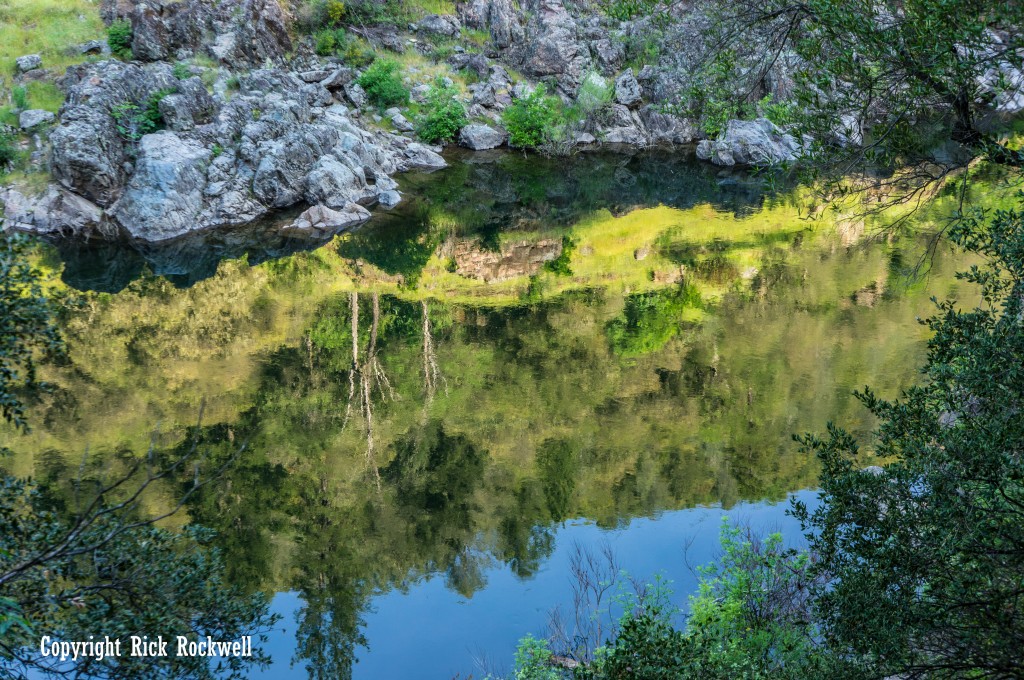
To the right of Clark's Hole

Another view up river from Clark’s Hole
Sources

California State Parks – Auburn State Recreation Area: https://www.parks.ca.gov/?page_id=502

California State Parks – Swimming Safety: https://www.parks.ca.gov/?page_id=30044

Canyon Keepers – Clarks Hole Trail Guide PDF: https://www.canyonkeepers.org/tgcla.pdf

PARC / Auburn State Recreation Area Trails & River Map PDF: https://www.parc-auburn.org/uploads/5/8/0/1/58018097/asra_trails___river_map_.pdf

City of Auburn – The Foresthill Bridge PDF: https://www.auburn.ca.gov/DocumentCenter/View/1652/The-Foresthill-Bridge

American River National Recreation Area Feasibility Study Draft PDF: https://upload.wikimedia.org/wikipedia/commons/6/61/American_River_National_Recreation_Area_feasibility_study_-_Draft_%28IA_americanrivernat5527unit%29.pdf

[mc4wp_form id="4451"]
Close
error: Content is protected !!